2026 Top Bucket Teeth Types for Global Buyers
In 2026, Bucket Teeth selection will depend on ground conditions, machine size, and total operating cost. Global buyers need more than a familiar product code. They need evidence.
Fortune Business Insights valued the global construction equipment market at USD 239.96 billion in 2023. Its report projects growth to USD 313.13 billion by 2030. MarketsandMarkets also forecasts steady expansion in construction equipment demand through 2029. These figures indicate stronger equipment use, but they do not isolate bucket teeth demand. That limitation matters.
Different jobs require different tooth designs. Tiger teeth suit general digging and balanced penetration. Rock teeth use thicker noses for abrasive stone and compacted ground. Penetration teeth can reduce digging resistance in dense soil. Long-life teeth may reduce replacement frequency, although they can sacrifice penetration when the edge becomes blunt. No tooth wins everywhere.
Real purchasing decisions should include tip shape, adapter fit, alloy quality, heat treatment, and available inventory. A tooth that lasts 20% longer may still cost more if it slows cycle times. Field records should compare tonnes moved, fuel use, downtime, and replacement hours. Small details matter. A loose adapter can damage the bucket lip within a single shift.
This guide reviews the top Bucket Teeth types for global buyers in 2026. It combines manufacturer specifications, wear principles, and practical replacement experience. Some market assumptions remain imperfect. Published data often describes complete excavators, not individual wear parts. Buyers should verify test conditions, warranty terms, and local soil behavior before placing large orders.
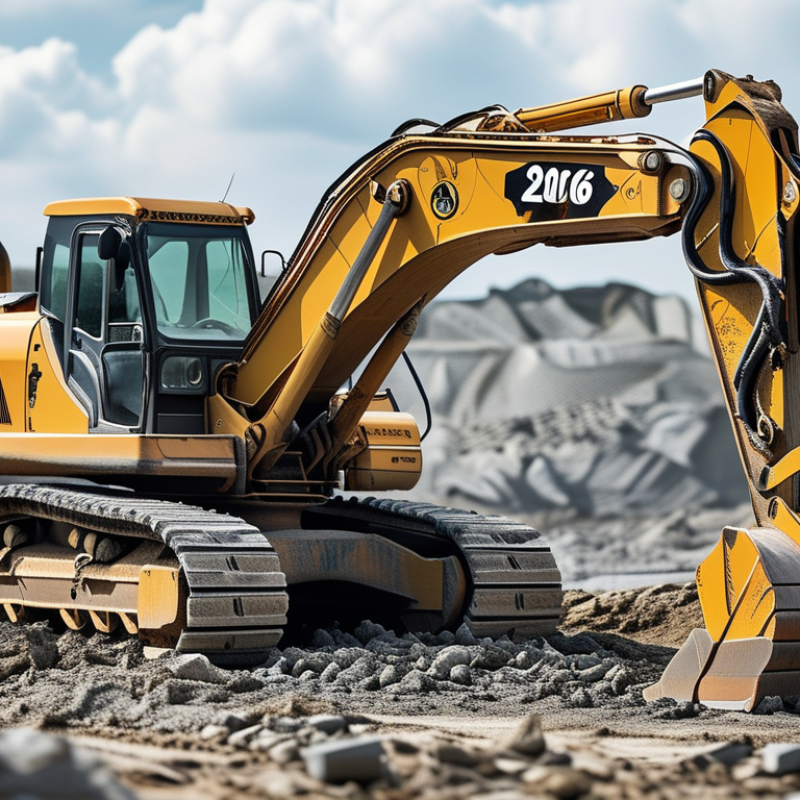
Bucket Tooth Types Explained: Penetration, Rock, Abrasion, and General Duty
2026 Top Bucket Teeth Types for Global Buyers
Bucket teeth are small wear parts, but their profile controls digging force, cycle time, and replacement frequency. Global buyers should match tooth design to soil behavior, not excavator size alone.
Penetration teeth have a narrow, pointed nose. They enter compact clay, mixed soil, and frozen ground with less resistance. Their sharper tip can wear quickly in dense gravel.
Rock teeth use a thicker nose and reinforced body. They resist impact when breaking blasted rock or heavy compacted material. They usually sacrifice some penetration speed.
Abrasion teeth suit sand, crushed stone, and other materials that continuously grind the adapter and tooth. The U.S. Geological Survey’s Mineral Commodity Summaries 2025 estimates annual U.S. crushed-stone output near 1.5 billion metric tons. That volume shows why abrasion control matters in aggregate fleets. The United Nations Global Resources Outlook 2024 reports that global material extraction could rise about 60% by 2060. More extraction means more attention to wear rates, maintenance time, and tooth-life measurement.
Hard facts, not catalog language.
General-duty teeth provide a practical balance for changing ground. They work across ordinary soil, light gravel, and intermittent clay. They are often the safer starting point for mixed jobs. Still, “general purpose” can become an expensive compromise. Inspect the nose after each shift, record hours, and compare penetration loss. ASTM G65 abrasive-wear testing can support laboratory comparisons, but field results may differ. Moisture, operator technique, and loading angle remain difficult variables. A perfect selection rarely exists.
Excavator Matching: Tooth Designs for 1–100 Ton Machine Classes
For global buyers, bucket teeth should match the excavator’s class, adapter system, and working ground. Machines from 1 to 5 tons often use compact, sharp penetration teeth for trenches, landscaping, and loose soil. Their smaller buckets need balanced teeth, not oversized steel that reduces digging efficiency. Machines from 6 to 20 tons usually benefit from standard or reinforced teeth for mixed soil, gravel, and general construction work.
Heavier excavators require stronger designs. From 21 to 50 tons, abrasion-resistant teeth suit quarry faces, compacted clay, and broken rock. Penetration teeth remain useful where the ground is hard but not highly abrasive. For 51 to 100 ton machines, heavy-duty and rock teeth provide thicker noses and stronger wear areas. Twin-point designs can improve stability on wide buckets, although they may not cut as deeply as narrow penetration teeth.
Field checks matter more than a simple size chart. Measure the adapter nose, pin position, tooth width, and bucket opening before ordering. I have seen a heavy tooth fail early because its adapter was worn. That was not a steel problem. It was a fit problem. Tooth shape also affects fuel use, digging resistance, and operator control. A sharp profile can work well in clay, but it may wear quickly in abrasive stone. Conditions change between sites, so buyers should review wear patterns regularly and adjust the tooth choice instead of repeating one familiar order.
2026 Top Bucket Teeth Types for Global Buyers
Excavator matching guide for common tooth designs across 1–100 ton machine classes. The ranges show typical machine operating classes for each design and may vary according to bucket capacity, ground conditions, tooth adapter size, and manufacturer specifications.
General-purpose teeth cover the widest range of applications, while rock and abrasion-resistant designs are better suited to larger machines working in hard or highly abrasive materials. Tiger-style penetration teeth are commonly selected when breakout force and digging penetration are priorities.
Alloy Steel Performance: 400–500 HB Hardness and Heat-Treatment Data
Bucket teeth for global buyers increasingly rely on alloy steel, especially when abrasive soil, crushed rock, and repeated impact dominate the jobsite. A practical target is 400–500 HB after heat treatment. The number is useful, but not magic. Higher hardness can improve abrasion resistance, while excessive hardness may reduce impact tolerance.
The Brinell range should be verified under ISO 6506-1 or ASTM E10 procedures. These standards require controlled loading, calibrated indenters, and accurate indentation readings. A reliable supplier should provide hardness results from multiple areas, not one convenient point. Tooth tips often cool differently from shanks, creating uneven performance. That detail matters.
Typical production uses austenitizing, quenching, and tempering for low-alloy steel. Temperature selection depends on chemistry, section thickness, and furnace control. A 2024 technical review from the International Journal of Mining Science and Technology linked wear performance with hardness, microstructure, and impact conditions rather than hardness alone. Heat-treatment records should show furnace temperature, holding time, quench medium, and tempering temperature. Buyers should also request Charpy impact data and metallographic evidence. These checks expose brittle martensite or incomplete transformation. They cost more upfront. They may prevent early tooth loss. Hardness conversion tables can mislead when applied across different steel grades. Field inspection remains necessary, because a clean laboratory coupon cannot fully reproduce stones, moisture, operator technique, and sudden loading.
Ground-Condition Selection: Clay, Gravel, Rock, and Abrasive Soil
Choosing bucket teeth in 2026 starts with the ground, not the catalog. Clay needs a narrow, penetrating profile that cuts cleanly through sticky layers. A sharp tip helps reduce resistance and improves bucket filling. However, very aggressive teeth may wear unevenly in mixed soil. The clay may look soft, but hidden stones can change the result quickly.
Gravel demands a stronger balance between penetration and impact resistance. Medium-duty teeth with reinforced adapters usually perform well in compacted gravel beds. Check the particle size and moisture level before selecting them. Wet gravel can pack tightly around the tooth line. Small gaps then reduce digging efficiency. Field tests matter.
Rock requires robust teeth with substantial material behind the tip. Penetration is important, but impact strength matters more during repeated contact with fractured stone. Abrasive soil, such as sandy fill or mineral-rich earth, can remove metal rapidly from the nose and side edges.
Choose wear-resistant profiles and inspect them during each shift. Do not wait for severe rounding. A rounded tooth consumes more fuel and places extra stress on the bucket.
Selection is not always clean. Real job sites often combine clay, gravel, and rock within one trench. In those conditions, a compromise profile may be safer than an extreme design. I have seen specifications look correct while actual wear appeared much faster. Soil samples, machine power, digging angle, and operator technique should all be reviewed before final purchase.
Global Buyer Checklist: Fit, Pin Systems, ISO 9001 QA, and Total Cost
Choosing bucket teeth in 2026 requires more than comparing tooth shapes. Global buyers should verify bucket width, adapter profile, pin diameter, and mounting depth. A tooth that looks correct may still create uneven loading or premature bushing wear. Measure the original assembly with calipers, not visual judgment.
Pin systems deserve close inspection. Check locking direction, retainer access, side clearance, and grease-channel alignment. Field maintenance teams often lose time when pins seize after abrasive work. The 2023 ISO Survey reports more than one million ISO 9001 certificates worldwide, but certification alone proves little. Ask for material certificates, heat-treatment records, dimensional inspection reports, and traceability from batch to shipment. A factory can pass an audit and still miss a critical tolerance.
Total cost includes purchase price, installation labor, downtime, fuel loss, and replacement frequency. Off-Highway Research reports annual global construction equipment demand above one million units, showing how small attachment decisions scale across fleets. Compare cost per operating hour, not cost per tooth. Track wear after 100 and 300 working hours. That evidence is useful. It may also expose an uncomfortable result: the hardest tooth is not always the most economical. Soil, impact load, operator habits, and maintenance quality can change the answer. Allow a controlled field trial before committing to a large shipment.