2026 Top UHP Graphite Electrode Types for Global Buyers
As global steelmakers expand electric arc furnace capacity, the UHP Graphite Electrode market deserves closer technical attention. World Steel Association data shows that electric arc furnaces produced roughly 30% of global crude steel in recent years. The International Energy Agency also identifies scrap-based EAF production as an important pathway for lowering steel-sector emissions.
That shift increases demand for electrodes that tolerate high current density, thermal shock, and repeated furnace cycling. GrafTech International’s former CEO, David Rintoul, stated, “Our business is highly correlated to global electric arc furnace steel production.” This observation remains commercially relevant. Electrode demand follows furnace utilization, steel output, scrap availability, and regional energy prices.
Industry buyers should not judge UHP performance by resistivity alone. Nipple strength, bulk density, thermal expansion, machining accuracy, and consumption rates matter inside the furnace. A small dimensional error can produce unstable connections, visible arcing, or unexpected breakage. The details are unforgiving.
Recent technical and market assessments from Fastmarkets, S&P Global Commodity Insights, and the International Energy Agency show a more complex outlook. EAF growth supports long-term demand, yet steel cycles, graphite needle-coke costs, Chinese capacity, and freight conditions can quickly change purchasing economics. Forecasts are useful, but not perfect.
This guide reviews the leading UHP Graphite Electrode types for global buyers in 2026. It compares specifications, furnace applications, quality indicators, supplier risks, and total operating cost. Buyers should still validate every claim through certificates, trial results, and furnace data. A strong catalogue is not proof of stable performance.
What Defines UHP Graphite Electrodes in 2026
2026 Top UHP Graphite Electrode Types for Global Buyers
What Defines UHP Graphite Electrodes in 2026
In 2026, ultra-high-power graphite electrodes are defined by controlled performance under extreme furnace conditions. Their core usually contains high-quality needle coke, carefully blended and graphitized at very high temperatures. This structure supports high current density, lower electrical resistivity, and improved thermal shock resistance.
The details matter. A buyer should review resistivity, bulk density, flexural strength, coefficient of thermal expansion, and oxidation behavior. These values should match the intended electric arc furnace practice. A 600 mm electrode, for example, may face intense heat near the arc and mechanical stress during charging. Tight nipple machining also matters because poor contact can create local heating, thread damage, or unexpected electrode breakage.
Numbers can mislead. A low resistivity value alone does not prove reliable performance. I have seen specifications look impressive while packaging, storage, or joint protection received less attention. Moisture, impact damage, and rough handling can weaken an electrode before installation. Buyers should request recent test certificates, dimensional inspection records, and clear tolerances for electrodes and nipples. Production consistency remains difficult, especially when raw material quality changes between batches. That limitation deserves honest discussion, not polished promises.
2026 Top UHP Graphite Electrode Types for Global Buyers - What Defines UHP Graphite Electrodes in 2026
Technical values are representative purchasing ranges for UHP graphite electrodes. Actual specifications may vary according to diameter, pitch, raw-material formulation, graphitization conditions, testing method and applicable standards. Electrical resistivity is generally reported at room temperature; current capacity depends on furnace design, operating cycle, cooling conditions and process practice.
Key UHP Graphite Electrode Types and Their Structural Differences
Ultra-high-power graphite electrodes differ mainly in diameter, joint design, and current-carrying structure. Larger diameters support higher furnace loads, while smaller sections respond faster but face greater thermal stress. The International Energy Agency reported that electric arc furnaces produced about 29% of global steel in 2023. This keeps UHP electrode geometry commercially important.
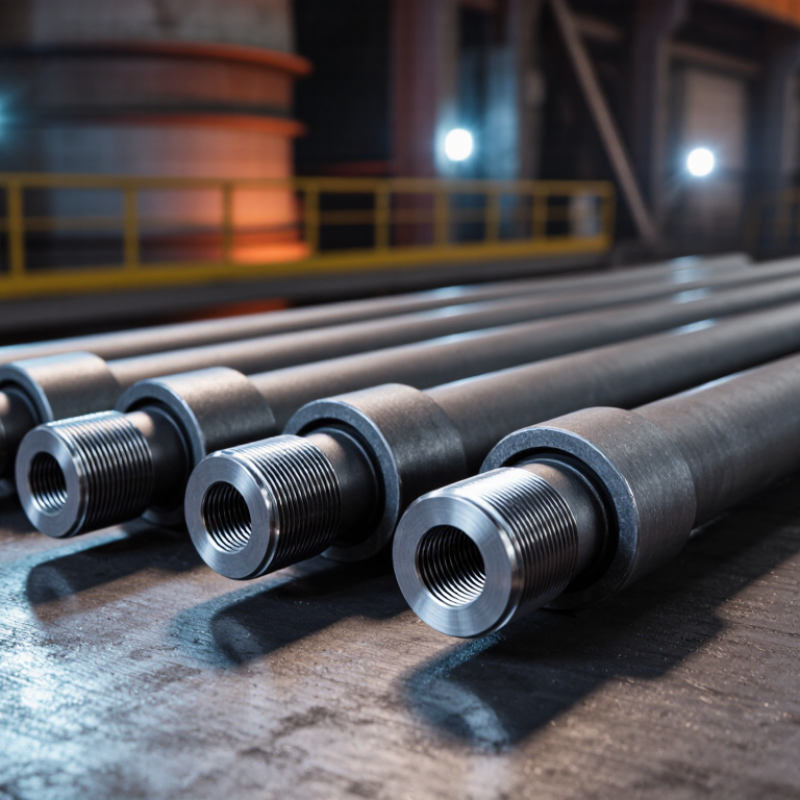
Most UHP electrodes use threaded nipples to connect sections. Tapered joints provide quick engagement and distribute stress along the connection. Four-thread-per-inch designs usually offer more contact area, while three-thread-per-inch designs may allow faster assembly. The difference sounds minor. It is not.
Electrode bodies also vary through pitch, density, and impregnation. Fine-pitch structures can reduce open pores and improve oxidation resistance. High bulk density helps limit consumption during intense arcs. However, extra density does not automatically guarantee better performance. Poor baking or uneven machining can create hidden weaknesses. The U.S. Geological Survey’s Mineral Commodity Summaries 2025 estimated 2024 global natural graphite mine production at roughly 1.6 million metric tons, highlighting continued pressure on carbon-material quality and supply. Buyers should therefore compare measured resistivity, bulk density, flexural strength, and thermal expansion, not only the UHP label. A clean surface can still hide internal variation.
Performance Factors for Comparing UHP Electrode Grades
2026 Top UHP Graphite Electrode Types for Global Buyers
Performance Factors for Comparing UHP Electrode Grades
Ultra-high-power electrodes must survive high current density, rapid heating, and repeated thermal shocks.
World Steel Association data shows electric arc furnaces produced nearly 29% of global crude steel in 2023. That share keeps UHP performance commercially important.
Start with resistivity, bulk density, flexural strength, and coefficient of thermal expansion. Lower resistivity reduces electrical loss during intense furnace operation. Higher bulk density limits gas penetration and oxidation. A low thermal expansion coefficient helps prevent radial cracking near the nipple connection. Practical buyers should compare current density, not only diameter. A 600 mm electrode may perform differently across furnaces.
Nipple strength deserves close inspection. Threads should fit cleanly, without visible chips, loose particles, or uneven machining. USGS Mineral Commodity Summaries 2025 identifies graphite as a strategically important industrial mineral, but it does not prove electrode quality. That distinction matters.
Supplier test certificates should show batch-level values, testing methods, and tolerances. Ask for thermal expansion curves when melting scrap with frequent power changes.
A perfect grade does not exist. Door leakage, oxygen injection, and poor alignment can damage even strong electrodes. Field records should track consumption per tonne, breakage frequency, and connection failures. These figures often reveal more than a polished specification sheet.
Global Applications and Selection Criteria by Steelmaking Process
2026 Top UHP Graphite Electrode Types for Global Buyers
Global Applications and Selection Criteria by Steelmaking Process
Ultra-high-power graphite electrodes support demanding electric arc furnace operations, especially in scrap-based steelmaking. Their low electrical resistivity and strong thermal resistance help maintain stable arcs under high current loads. Buyers should match electrode diameter and current density with furnace transformer capacity. Oversizing can waste energy, while undersizing may increase breakage.
AC and DC furnaces require different evaluation methods. AC furnaces often need consistent joint quality because three electrodes operate together under severe vibration. DC furnaces use one graphite electrode with a conductive bottom system, so arc stability and thermal shock resistance deserve closer attention. Ladle furnaces usually demand smaller diameters and dependable performance during alloy adjustment. Steel grades, melting cycles, scrap density, and foamy slag practice also affect consumption.
A practical specification should include resistivity, bulk density, flexural strength, thermal expansion, and nipple tolerances. Ask for independent test reports, production traceability, and samples from the proposed size. Check storage conditions too. Moisture can damage connections.
Field data matters most.
A low purchase price can hide higher breakage, longer outages, or unstable power use. Yet no selection chart is perfect. Furnace operators sometimes change oxygen injection, scrap mix, or tap-to-tap targets after procurement. Recheck performance through controlled trials, comparing electrode consumption per tonne, joint failures, and arc interruptions across several heats. Global buyers should also assess packaging, port handling, climate exposure, and technical support before approving a long-term supply plan.
Market and Purchasing Considerations for International Buyers
2026 Top UHP Graphite Electrode Types for Global Buyers
Market and Purchasing Considerations for International Buyers
International buyers should compare UHP graphite electrodes by application, not only by diameter or price. Common options include AC furnace electrodes, DC furnace electrodes, and large-diameter models for high-capacity steelmaking. Most UHP grades use needle coke and require low electrical resistivity, controlled thermal expansion, and strong nipple connections. The correct grade depends on furnace power, current density, steel chemistry, and operating cycles.
Check the complete technical sheet. Key figures include bulk density, apparent resistivity, flexural strength, coefficient of thermal expansion, and ash content. Nipple accuracy also matters. A poor connection may cause local heating, cracks, or unexpected consumption. Small errors grow. Buyers should request sample inspection records, dimensional tolerances, and production dates before placing a large order.
Purchasing conditions need equal attention. Confirm minimum order quantities, lead time, export packaging, moisture protection, and delivery terms. Wooden cases should withstand long sea routes and repeated handling. An independent pre-shipment inspection can verify dimensions, joints, markings, and packing quality. Experienced buyers also compare consumption per ton of steel, rather than unit price alone. A low quotation can be misleading. I have seen procurement plans focus heavily on price while ignoring port delays and storage conditions. That approach needs reflection. No specification sheet is perfect, so buyers should clarify testing methods and dispute procedures before signing.
2026 Top UHP Graphite Electrode Types for Global Buyers
Representative operating-current ranges by UHP electrode diameter for electric arc furnace purchasing and technical comparison.
Larger-diameter UHP electrodes generally support higher furnace currents and are commonly selected for higher-capacity EAF operations. The values shown are representative engineering ranges based on typical UHP EAF sizing practice; actual limits depend on electrode grade, nipple design, furnace transformer capacity, cooling conditions, thermal cycling, and the supplier’s technical datasheet.