Top 10 Benefits of Red Light Therapy You Should Know?
Red Light Therapy has gained significant attention in recent years for its potential health benefits. This non-invasive treatment uses low-level wavelengths of red light, which can penetrate the skin and stimulate various biological processes. According to a report from the National Institute of Health, Red Light Therapy can enhance collagen production, reduce inflammation, and speed up wound healing. These benefits are backed by numerous studies highlighting its effectiveness.
Dr. Robert Rowan, an expert in the field, stated, "Red Light Therapy is not just a trend; it represents a fundamental shift in how we approach healing." This highlights the growing acceptance of Red Light Therapy among healthcare professionals. However, not all claims are equally supported by research. While some users report impressive results, others may not see significant improvements. This variation emphasizes the need for individualized approaches and thorough understanding.
As more consumers turn to Red Light Therapy, it’s crucial to navigate through the noise. The market is filled with devices promising miracle results, but results can vary. Being informed can help users make better choices. Understanding both potential benefits and limitations is essential.
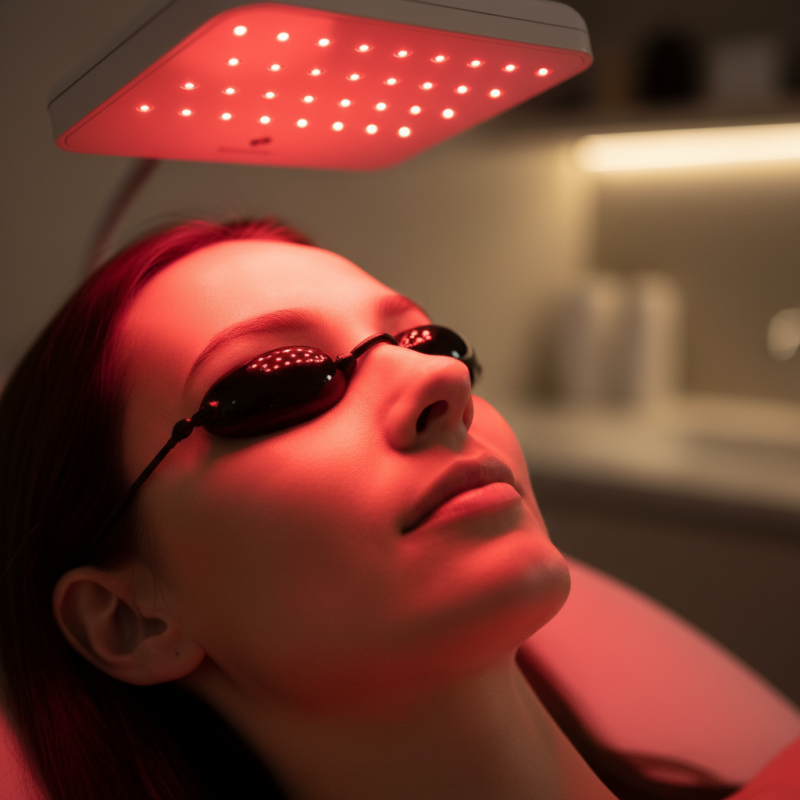
Understanding Red Light Therapy: An Overview
Red light therapy (RLT) is gaining popularity in wellness circles. It uses specific wavelengths of light to promote healing and reduce inflammation. This therapy is non-invasive and often considered safe for daily use. Many people turn to it for various reasons, from skin rejuvenation to pain relief.
In practice, red light therapy has shown potential benefits for skin health. Users report improved skin tone and texture. The process may stimulate collagen production, leading to plumper skin. However, results can vary between individuals. Some people experience quick improvements, while others see gradual changes. It’s important to manage expectations.
Additionally, RLT may assist in reducing chronic pain. Some studies suggest it aids in muscle recovery and alleviates joint discomfort. People who engage in intense workouts often explore this therapy. Yet, it is not a guaranteed solution for everyone. Reactions can differ, and continuous research is necessary to fully understand its effects.
Top 10 Benefits of Red Light Therapy
Mechanism of Action: How Red Light Therapy Works
Red light therapy utilizes specific wavelengths of light to penetrate the skin. This process stimulates cellular function, promoting healing and regeneration. The mechanism focuses on how light affects mitochondria, the powerhouse of cells. When exposed to red light, mitochondria produce more ATP, the energy currency of our cells. This boost in energy can promote faster recovery and reduce inflammation.
The therapy can enhance circulation, allowing better oxygen and nutrient delivery to tissues. Some studies suggest that it may help with muscle recovery after exercise. However, the outcomes can vary significantly among individuals. Factors such as the duration of exposure and skin type play a crucial role in the effectiveness of the therapy. While many report positive results, some may not experience noticeable benefits.
It’s essential to approach red light therapy with realistic expectations. Individual responses can differ, leading to “trial and error” for optimal use. Not everyone finds it effective, and some may need additional treatments for results. This therapy, while promising, requires more research to understand its full potential.
Top Health Benefits of Red Light Therapy
Red light therapy (RLT) has garnered increasing attention for its potential health benefits. Research suggests that RLT can promote wound healing and reduce inflammation. According to a study published in the Journal of Clinical and Aesthetic Dermatology, RLT improves skin texture and reduces signs of aging. The study highlighted significant improvements in skin elasticity, with up to a 30% enhancement in some participants.
Furthermore, RLT may aid muscle recovery and decrease pain. A report from the National Institutes of Health found that athletes using RLT experienced a reduction in muscle soreness post-exercise. This could be especially beneficial for those looking to enhance their fitness routines or recover from injuries. However, not every individual responds to RLT equally. Some users report minimal effects, suggesting more personalized approaches may be necessary.
Additionally, RLT may boost hair growth for those suffering from certain types of hair loss. A study in the Journal of Photomedicine and Laser Surgery found a 40% increase in hair density among participants. While promising, results can vary widely based on factors like skin type and overall health. This inconsistency highlights the need for more comprehensive research and understanding of individual responses to therapy.
Applications in Skin Care and Wound Healing
Red light therapy has gained attention for its applications in skin care and wound healing. This non-invasive treatment utilizes low-level wavelengths of light. The process aims to stimulate cellular functions. Many users notice improvement in skin tone and texture. It can reduce wrinkles and fine lines. Some even report faster recovery from skin injuries.
In wound healing, red light therapy shows promise. Studies suggest it accelerates tissue repair and reduces inflammation. Patients may experience less pain and swelling. Scars from cuts or burns can appear less prominent. However, results vary from person to person. Consistency in treatment is crucial for optimal outcomes. Yet, some individuals may see minimal improvement, causing frustration.
While the benefits are notable, it’s important to manage expectations. Not everyone responds the same way. Some may need alternative treatments for better results. The exploration of red light therapy in skin care and wound healing is still evolving. It invites curiosity and further investigation. The balance between hope and reality remains essential as users navigate their journeys.
Potential Limitations and Considerations for Use
Red light therapy offers various benefits, but it’s important to be aware of its limitations. Not everyone may respond positively to this treatment. Individual results can vary significantly. Some people experience improvements, while others may not notice any change at all. This inconsistency can lead to frustration.
It’s also crucial to consider the specific conditions treated. Red light therapy has been shown to help with certain skin issues and pain relief. However, it may not be effective for more serious medical conditions. Relying solely on this therapy without consulting a healthcare professional is unwise.
Another factor to reflect on is the potential for skin irritation. Some individuals might experience redness or sensitivity after treatment. It’s essential to monitor how your skin reacts. Keep in mind that improper use can lead to adverse effects, countering any benefits gained. Use it wisely and adjust as necessary.