

What Are the Best Car Wiper Blades for 2026?
Choosing the best Car Wiper Blades for 2026 is not a cosmetic decision. It is a visibility decision.
The Federal Highway Administration reports that wet pavement contributes to approximately 75% of weather-related crashes. Rain alone appears in about 46% of those incidents. These figures explain why a thin, clean wiping edge matters during heavy spray, sudden braking, and nighttime driving.
Industry guidance also supports regular inspection. Bosch recommends checking wipers about every six months and replacing them when performance declines. That advice is practical, but not universal. A vehicle parked outdoors may need replacement sooner than one kept in a garage. Heat, frost, road salt, ultraviolet exposure, and airborne grit all shorten blade life.
Look closely at the glass. Long water streaks remain after one pass. The rubber chatters across the windshield. A narrow untouched arc sits near the driver’s eye line. These are not minor annoyances. They can hide lane markings, cyclists, or brake lights.
The 2026 market includes conventional, beam, hybrid, silicone, and heated designs. Market research reports forecast continued growth in automotive wiper systems, driven by vehicle ownership, safety expectations, and advanced driver-assistance systems. However, market size does not prove product quality. Testing method, vehicle fit, pressure distribution, and rubber durability matter more than advertising language.
This guide compares those details with a practical focus. It considers independent testing, manufacturer specifications, replacement evidence, weather performance, and real installation experience. No blade wins everywhere. The best choice may still fail if the adapter fits poorly or the windshield is contaminated. That is worth remembering.
What Makes a Car Wiper Blade Effective in 2026?
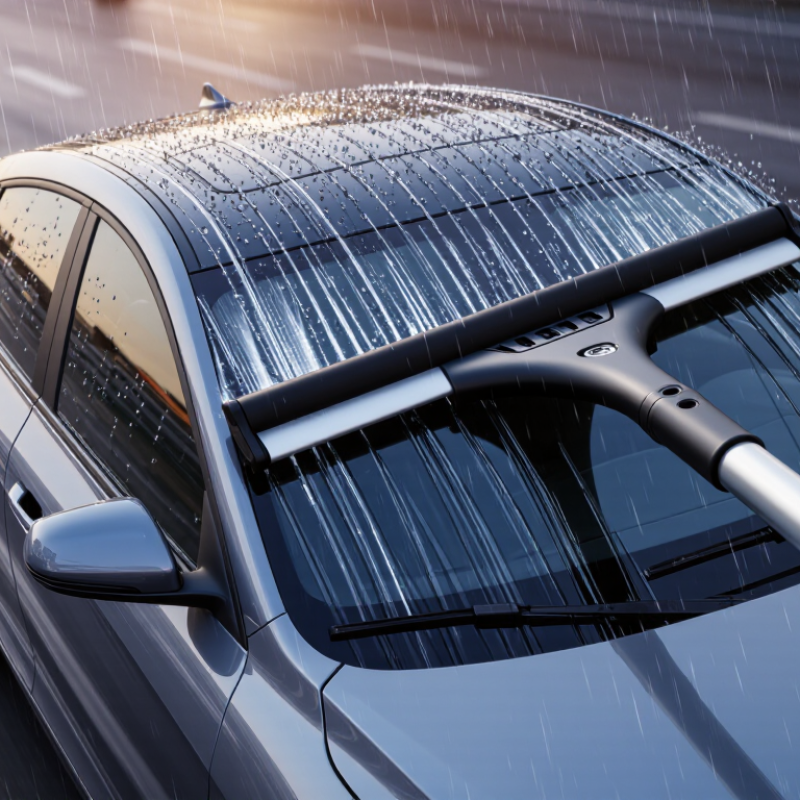
In 2026, an effective car wiper blade is not defined by appearance alone. It must maintain steady contact across curved glass, even during heavy rain. A precise frame helps distribute pressure from the arm. Flexible rubber then follows the windshield without leaving narrow, cloudy trails. Poor contact is often visible near the corners first.
Material quality matters during cold mornings and hot parking conditions. A durable wiping edge should resist cracking, hardening, and chemical damage from washer fluid. Smooth movement also reduces squeaking and vibration. However, “silent” does not always mean effective. A blade can sound quiet while leaving a thin water film. Checking visibility from the driver’s seat is more reliable than judging noise.
Correct fit remains essential. The connector should lock firmly, while the blade must match the arm’s length and design. An incorrect adapter may look secure but loosen under repeated movement. During practical inspection, lift the arm and examine the edge for splits, rough spots, or uneven wear. Clean the glass before testing, because road dust can imitate blade failure. I have found this step easy to overlook. It can lead to replacing a usable blade too soon. In freezing weather, never force a blade across ice; softened damage may appear days later. Regular cleaning and timely replacement support clearer vision when conditions change.
What Are the Best Car Wiper Blades for 2026? What Makes a Car Wiper Blade Effective in 2026?
| Blade Type | Design and Contact | Typical Strengths | Limitations | Best Suited For | What to Check Before Buying |
|---|---|---|---|---|---|
| Conventional frame | A metal or polymer frame uses several pressure points to hold a rubber wiping element against the windshield. | Widely available; often an economical replacement; straightforward design. | Exposed frame joints can collect ice or debris, and pressure distribution may be less even on some curved windshields. | Drivers seeking a practical replacement for a vehicle originally fitted with this style, especially in mild conditions. | Confirm the exact length, connector type, and vehicle fitment. Check that the frame moves freely and sits evenly on the glass. |
| Beam (flat) blade | A curved, frameless structure uses internal spring tension to apply pressure along the wiping edge. | Low-profile shape; no exposed frame joints; can maintain close contact on many curved windshields. | Compatibility and performance depend on the windshield shape and blade design; usually costs more than basic frame styles. | Drivers wanting a streamlined blade or a replacement designed for a strongly curved windshield. | Verify vehicle-specific fitment and connector compatibility rather than choosing by blade length alone. |
| Hybrid blade | Combines a supporting frame with an outer aerodynamic cover. | Offers structural support with a covered profile that may help reduce wind lift and shield some components. | The cover does not prevent all ice buildup; fit and wiping quality vary by vehicle and design. | Drivers looking for a balance between a framed construction and a more enclosed profile. | Check the specified adapter and clearance around the wiper arm and windshield edge. |
| Winter blade | Typically uses a covered frame or purpose-designed structure intended to reduce exposure of moving parts. | Designed with snow and freezing conditions in mind; an enclosed frame can be less exposed to packed snow than an open frame. | May be bulkier, and the cover cannot eliminate freezing or guarantee clear wiping in severe weather. | Drivers who regularly encounter snow, slush, and freezing temperatures. | Choose a winter-rated design that fits the vehicle, and inspect it for ice, tears, or hardened rubber during the season. |
| Silicone wiping element | Uses a silicone-based wiping edge; it may be incorporated into different blade constructions. | Silicone formulations can resist some environmental exposure better than some natural-rubber formulations, depending on the product. | Material alone does not determine wiping quality or service life; cost and vehicle compatibility vary. | Drivers considering a different wiping-element material, provided the blade is compatible with their vehicle. | Compare the complete blade design, fitment, and care instructions—not just the wiping-element material. |
Selection note: No blade type is best for every vehicle or climate. For effective wiping, use the correct vehicle-specific length and connector, keep the windshield clean, and replace blades when they leave streaks, skip, chatter, or show cracks or splits. Service life varies with weather, use, storage, and maintenance; inspect blades regularly and follow the vehicle and blade manufacturers’ guidance.