7 Best Chenglong Emergency Vehicles for Global Buyers?
Choosing an emergency vehicle is not simply a matter of comparing horsepower and exterior design. For global buyers, it involves response speed, crew safety, equipment capacity, service access, and long-term operating costs. This guide introduces seven Chenglong Emergency Vehicle options for ambulance, fire response, rescue, command, and specialized support duties. Each option should be judged against real conditions, including narrow urban streets, unpaved roads, high temperatures, heavy rain, and remote service areas.
The evaluation focuses on practical details. A medical ambulance may need a stable cabin, washable surfaces, oxygen storage, and enough space for patient handling. A fire vehicle may require dependable pumping performance, a suitable water tank, and easy access to hoses and tools. Rescue and command vehicles need clear storage layouts, strong electrical systems, and comfortable working areas. Buyers should also examine payload limits, chassis durability, fuel consumption, driver visibility, spare-parts supply, and local technician training.
No shortlist is perfect. A vehicle with a lower purchase price may create higher maintenance costs later. A larger body may carry more equipment but struggle in crowded streets or weak bridges. Regional certification, import requirements, emergency equipment standards, and warranty support must be verified before ordering. Real fleet feedback matters, yet one operator’s experience cannot represent every market. The seven choices below are therefore presented as informed starting points, not automatic answers. Careful inspections, transparent specifications, and route-based testing remain essential before making a final decision.
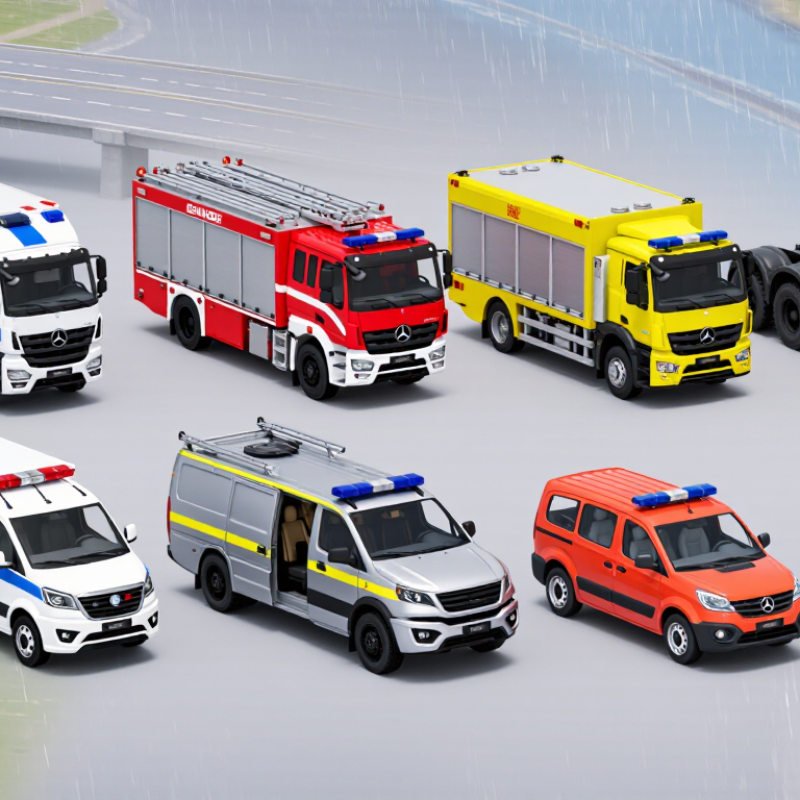
Chenglong Emergency Vehicles: Definition, Uses, and Global Market Role
Emergency vehicles are specialized platforms for rapid medical transport, rescue support, and disaster response. They combine a reinforced body, warning systems, patient space, and dependable communication equipment. In practical use, crews may work beside a highway, in flooded streets, or on unpaved rural roads. Reliability matters more than appearance.
The World Health Organization reported about 1.19 million annual road deaths and up to 50 million nonfatal injuries worldwide in 2023. This pressure increases demand for ambulances and multipurpose rescue trucks. Grand View Research estimated the global ambulance services market at approximately USD 44.7 billion in 2023, with continued growth expected through 2030. These figures show the sector’s expanding operational role.
Global buyers usually assess payload, ground clearance, cabin ergonomics, maintenance access, and local spare-part supply. A vehicle may perform well in laboratory tests but struggle in extreme heat, steep roads, or congested cities. That gap deserves attention. WHO guidance also emphasizes timely, organized emergency care, not vehicle speed alone. Buyers should therefore review service networks, technician training, oxygen storage, stretcher dimensions, and fleet data before ordering. A lower purchase price can become expensive when downtime delays patient transfer.
How to Evaluate Chenglong Emergency Vehicles for International Operations
Evaluating emergency vehicles for international operations requires more than checking horsepower and equipment lists. Start with the mission. A rural ambulance, urban rescue truck, and flood-response unit need different layouts, suspension, and storage. Ask how crews will enter, work, and leave under pressure. Measure door openings, stretcher clearance, visibility, and load balance. Small details matter. During inspections, open every compartment while wearing gloves. Check whether latches, lighting, and controls remain usable in rain or darkness. A clean showroom can hide awkward access points.
Climate and roads deserve equal attention. Test cooling performance in high heat, cold-start behavior, corrosion protection, and traction on broken surfaces. Confirm the rated payload after bodies, water, medical gear, tools, fuel, and personnel are included. Overloading quietly shortens braking and suspension life. Request independent test records, service intervals, wiring diagrams, and evidence of compliance with the destination market’s safety rules. Local approval must be verified before purchase. Manufacturer claims are useful, but they are not field proof.
International reliability also depends on support after delivery. Compare parts availability, technician training, diagnostic access, warranty response times, and language support. Ask for a realistic maintenance schedule, not an optimistic promise. Run a pre-shipment inspection and, if possible, a pilot deployment with local drivers. Their feedback may challenge the original specification. That is valuable. Record fuel use, idle time, faults, and repair delays during the first operating months. No evaluation is perfect; dust, staffing changes, and unfamiliar equipment can expose weaknesses that formal testing misses. Good purchasing decisions leave room to revise the design.
Seven Chenglong Emergency Vehicles for Rescue, Medical, and Fire Services
Emergency fleets need more than speed. They need dependable layouts, clear controls, and service access in difficult conditions. The following seven vehicle types support rescue, medical, and fire teams.
A compact rescue van carries cutting tools, ropes, lighting units, and first-aid equipment. A heavy rescue truck provides winches, stabilizers, generators, and lifting gear for complex incidents. A mobile command vehicle offers radios, mapping screens, storage cabinets, and a sheltered planning area. Space matters during long operations. Poor cable management can slow the crew.
For medical services, an ambulance should provide smooth suspension, washable surfaces, oxygen storage, and secure stretcher locking. A patient transport vehicle suits scheduled transfers and basic monitoring. A field clinic vehicle adds foldable treatment tables, privacy partitions, clean-water tanks, and power outlets. For firefighting, a rapid-response truck carries a pump, hose reels, water tanks, and protective equipment. Larger fire engines add foam systems, ladders, and higher-capacity pumps. Operators must match equipment with local terrain and road limits.
In practice, vehicle selection is rarely perfect. A larger body increases capacity but may struggle in narrow streets. Extra equipment improves readiness but reduces payload margin. Buyers should inspect corrosion protection, braking performance, cabin ergonomics, maintenance records, and spare-part access. Independent testing and operator training remain essential. Small details matter.