10 Best Fanuc Encoder Suppliers for Global Buyers?
Choosing a dependable Fanuc Encoder supplier is not simply a price comparison. It is a decision about machine uptime, measurement accuracy, and long-term maintenance. A suitable supplier should provide original or clearly documented compatible encoders, stable production records, responsive technical support, and traceable testing information. Buyers should examine resolution, communication protocol, shaft dimensions, connector type, operating temperature, and compatibility with specific FANUC motor families.
Dr. Seiuemon Inaba, FANUC’s founder and a leading figure in industrial automation, emphasized a principle that remains highly relevant: “Automation must be built on reliability.” That idea deserves careful attention. An encoder may look small, yet one failed feedback signal can stop a robotic arm, interrupt calibration, or create repeated servo alarms. The best suppliers therefore explain their inspection process, packaging standards, warranty terms, and replacement procedures clearly. Real experience matters here. A supplier that answers technical questions with model-specific details is more trustworthy than one offering only broad promises.
This guide reviews ten Fanuc Encoder suppliers for global buyers. It considers product authenticity, engineering support, export experience, delivery consistency, and after-sales communication. Some suppliers may appear strong but provide limited documentation. Others may offer excellent technical service while carrying fewer models. That difference matters. Buyers should still verify serial numbers, datasheets, connector layouts, and return conditions before ordering. No ranking can remove every risk. Careful checking remains necessary.
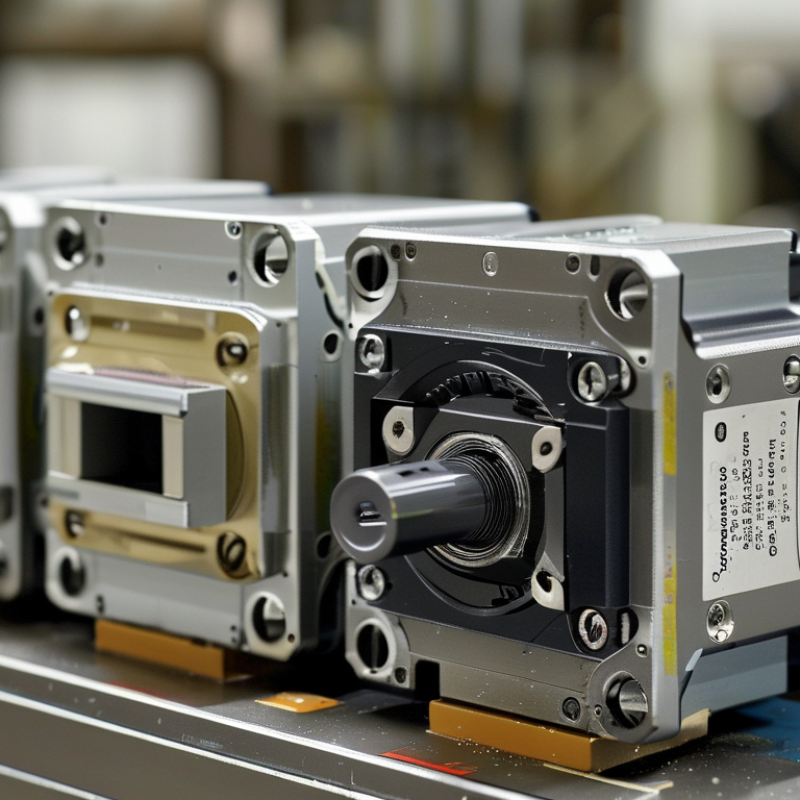
Fanuc Encoder Basics and Key Selection Criteria
A Fanuc encoder converts motor movement into electrical feedback for precise position and speed control. Incremental models send pulses, while absolute models retain position data after power loss. Resolution matters, but higher counts do not automatically improve machine performance. The controller, cable length, and mechanical load must support the selected signal. A mismatch can cause unstable motion or unexpected alarms.
Key selection criteria include output type, voltage, communication protocol, shaft size, mounting pattern, and allowable speed. Check the original connector carefully. A similar-looking plug may use a different pin arrangement. Environmental ratings also deserve attention. Dust, oil mist, vibration, and heat can shorten encoder life. In real maintenance work, technicians often discover that mounting clearance was overlooked. That small error can delay installation.
Tips: Compare the encoder’s datasheet with the machine manual, not only the product photo. Confirm resolution, electrical interface, flange dimensions, and cable direction before ordering. Ask suppliers for test records, traceable specifications, warranty terms, and replacement support. Request a sample when compatibility is uncertain. The cheapest option may become expensive after rewiring or downtime. I would recheck every measurement twice; assumptions are convenient, but they are not reliable.
How to Evaluate Fanuc Encoder Suppliers Worldwide
How to Evaluate Industrial Encoder Suppliers Worldwide
Selecting an encoder supplier requires more than comparing online prices. Check compatibility with the target controller, motor shaft, feedback interface, resolution, voltage, and mounting pattern. A reliable supplier should provide clear technical drawings, wiring diagrams, tolerance data, and operating temperature ranges. Ask for sample units before placing a production order.
Request evidence of quality control. This may include serial-level traceability, inspection records, calibration results, and a documented process for handling failures. Suppliers with recognized quality systems can reduce risk, but certificates alone prove little. Visit their factory virtually or in person when possible. Watch how components are stored, tested, and packaged. Small details matter.
Evaluate communication under pressure. Can the supplier answer a technical question within one business day? Do they explain limitations instead of promising everything? Confirm stock status, production lead time, export documents, warranty terms, and replacement procedures in writing. A practical test is useful: send identical questions to several suppliers and compare the precision of their replies.
Pricing can mislead. An inexpensive encoder may create downtime, rewiring work, or repeated calibration costs. I have seen supplier evaluations focus too heavily on unit price. That approach is convenient, but incomplete. Also review field references from similar machines and regions. A supplier serving demanding automation projects may still struggle with your exact environment, especially high vibration, dust, or temperature changes.
10 Leading Fanuc Encoder Suppliers for Global Buyers
Choosing among ten leading industrial encoder suppliers requires more than comparing prices. Global buyers should examine compatibility, signal accuracy, delivery capacity, and technical support. A reliable supplier provides clear drawings, wiring details, resolution data, and tested replacement guidance. These documents reduce installation errors on automated machinery.
Experience matters in real production environments. Ask whether the supplier has handled high-vibration equipment, heat exposure, and continuous-shift operation. Check quality records, inspection procedures, and traceability for each shipment. ISO certification can support confidence, but it does not replace practical testing. Request a sample unit when possible. Small details matter.
Tips: Confirm shaft size, mounting dimensions, output type, cable length, and operating temperature before ordering. Ask about customs documents and regional service response times. Keep one approved spare encoder in storage. It can prevent an expensive production delay. A perfect shortlist rarely exists. I would still recheck connector compatibility before payment, even when the datasheet appears correct. Suppliers should also explain warranty limits in plain language, especially for cross-border purchases. Reliable communication often reveals more than a polished catalog.
Supplier Comparison: Quality, Compatibility, Pricing, and Support
10 Best Fanuc Encoder Suppliers for Global Buyers?
Choosing among ten encoder suppliers requires more than comparing catalog prices. Compatibility comes first. Confirm shaft size, mounting pattern, output signal, resolution, voltage, and feedback protocol against the machine manual. A lower-cost unit can create alignment errors, unstable positioning, or repeated downtime. In real maintenance work, connector fit is often overlooked. That small detail can stop an installation.
Quality evidence should include inspection records, traceability, environmental ratings, and documented test procedures. The IFR World Robotics 2024 report recorded 541,302 industrial robot installations in 2023. This scale increases demand for dependable motion-feedback components. It also makes supplier consistency important. Ask for sample test data, not only a certificate. ISO 9001 registration helps, but it does not prove every encoder will perform well. That distinction deserves attention.
Pricing should include shipping, customs handling, spare units, installation labor, and warranty returns. Compare the delivered cost over three years, not just the first invoice. Support quality matters during a midnight fault. Look for response-time commitments, multilingual technical staff, repair guidance, and replacement availability. The 2024 World Robotics report also shows a large installed robot base, so long-term service planning cannot be treated as optional.
Tips: Request one evaluation sample before bulk purchasing. Test it under actual vibration, temperature, and cable conditions. Keep written compatibility evidence. I would also score suppliers separately for quality, fit, price, and support. A single overall score can hide a serious weakness.
How to Choose the Right Fanuc Encoder Supplier for Your Needs
Choosing the right industrial encoder supplier starts with technical fit, not a polished website. Confirm the encoder’s resolution, signal type, shaft dimensions, mounting pattern, and operating temperature. Then compare these details with your controller and motor documentation. A small mismatch can cause unstable feedback, position errors, or unexpected downtime.
Ask suppliers for current datasheets, wiring diagrams, tolerance information, and product traceability. Reliable vendors should explain how they test output signals and protect units during shipping. Request a sample when possible. Check its connector, housing finish, cable flexibility, and installation instructions before approving a larger order. Clear answers matter. Vague answers do not.
Service quality deserves equal attention. Evaluate response times, replacement procedures, stock availability, and technical support across your operating region. A low price may hide longer lead times or weak after-sales help. I would also check warranty conditions carefully, especially for vibration, dust, and temperature exposure. No supplier is perfect. Even experienced buyers can overlook connector clearance or software compatibility. Record every requirement in writing, and ask the supplier to confirm it before payment. This simple step can prevent an expensive surprise during commissioning.