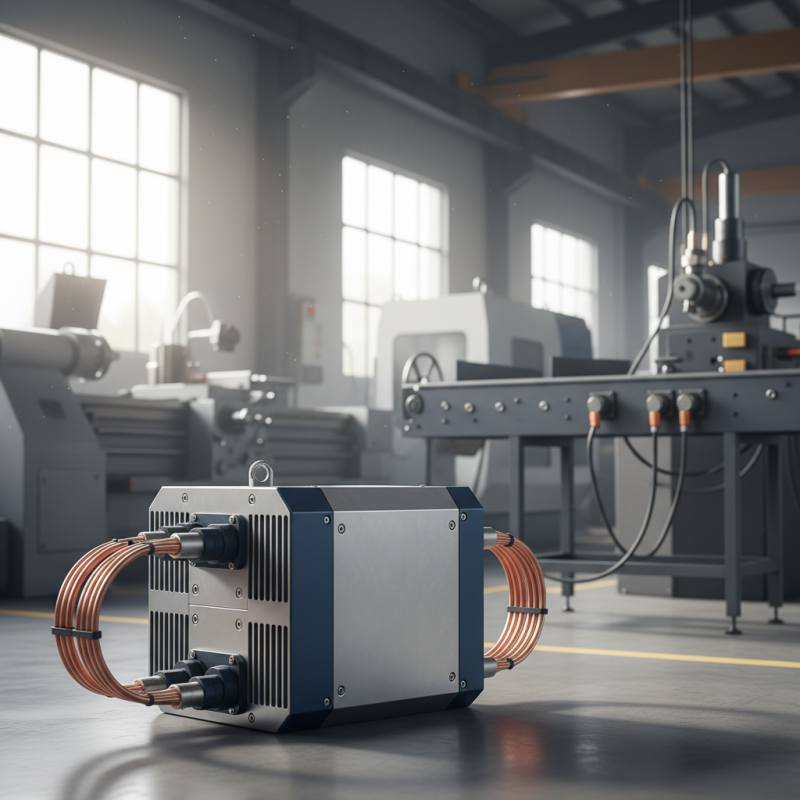
What is the Best Power Phase Converter for Your Business?
Choosing the right Power Phase Converter is crucial for your business. It can significantly impact productivity and equipment performance. Not all converters are the same, and each has unique features. Understanding these differences is vital for making an informed choice.
When selecting a Power Phase Converter, factors like power requirements and load types come into play. A reliable converter ensures smooth operation and enhances equipment lifespan. However, some businesses still grapple with compatibility issues. This can lead to unexpected downtime and increased costs.
Consider your specific needs. Is the converter capable of handling your machinery’s demands? Evaluating this will save time and resources. Balancing efficiency and reliability is key. Ultimately, this decision shapes your business's operational landscape. A well-chosen Power Phase Converter does more than just supply power; it supports your growth and stability.
Types of Power Phase Converters Available for Businesses
When selecting a power phase converter for your business, understanding the types available is crucial. The most common types include rotary phase converters and static phase converters. Rotary converters are popular for their ability to provide power for multiple machines. They convert single-phase power to three-phase power smoothly. This makes them ideal for manufacturing and heavy machinery operations.
Static phase converters are simpler and less expensive. They can support equipment that operates for shorter periods. However, they might not provide sufficient power for continuous use. Users often find they can operate one motor at a time effectively. This limitation can lead to operational delays, especially in busy environments.
Some businesses also consider digital phase converters. These units offer advanced features to manage power fluctuations. They provide stable power, yet their complexity can be a challenge for users unfamiliar with technology. Training and troubleshooting may be necessary. Each type has its strengths and weaknesses, making it essential to evaluate your specific needs carefully.
Types of Power Phase Converters Available for Businesses
Factors to Consider When Choosing a Power Phase Converter
Choosing the right power phase converter for your business is crucial. Several factors influence your decision. Start by assessing your power requirements. Calculate the total wattage needed for your machinery. Undersized converters can lead to equipment damage. Oversized models may waste energy and increase costs.
Consider the operational environment. Is it dusty or humid? This can affect converter performance. Look for a converter with an IP rating suitable for your conditions. Reliability is key. Examine user reviews and industry testimonials to gauge performance. A lack of reliable feedback might prompt a deeper investigation.
Evaluate the type of converter needed. There are rotary, static, and digital phase converters. Each has distinct advantages and limitations. Rotary models are often more durable but also pricier. Static converters might suffice for lower power applications. Always think about future expansion. Can your chosen model adapt as your business grows? A well-informed choice can save significant repair costs later on, providing peace of mind for your business operations.
Top Brands and Models of Power Phase Converters Reviewed
Selecting the right power phase converter can significantly impact your business operations. When analyzing top brands and models, it’s crucial to focus on performance, efficiency, and reliability. A well-chosen converter will adapt to your specific power needs. It can handle the demands of varied machinery and electronics found in different industries.
In recent reviews, many users highlighted the importance of power stability. Some models excel in maintaining a consistent voltage, while others may falter. Features like digital monitoring and easy installation can be differentiating factors. Yet, customers often face challenges when comparing options. The complexity of specifications may lead to confusion.
Additionally, durability plays a vital role in the overall value. Some converters are built to withstand harsh conditions, which is critical for outdoor facilities. Users must also consider the manufacturer's support and warranty. Feedback from previous buyers can provide insights into long-term reliability. Making an informed choice often requires balancing these elements. This thoughtful approach helps businesses avoid costly mistakes.
Installation and Maintenance Tips for Power Phase Converters
When installing a power phase converter, careful planning is essential. Ensure that the location allows for proper ventilation. Overheating can lead to system failure. A sturdy platform is also crucial. Fluctuations in power can occur if the unit is unstable. Regularly check the connections to avoid loose wiring, which can pose safety risks.
Maintenance plays a vital role in the longevity of power phase converters. Schedule routine inspections to catch any potential issues early. Monitor the operating temperature regularly. High temperatures can indicate underlying problems. Filters and vents should be cleaned to prevent dust buildup. This often-overlooked task keeps the system running smoothly.
Don't forget about noise levels. Excessive noise may signal mechanical issues. Addressing these concerns promptly can prevent costly repairs. Reflect on your operational environment. Is it suitable for the equipment? Often, the solution requires more thought than anticipated. Regular maintenance and strategic installation not only enhance performance but also ensure reliability and safety.
Cost Analysis: Investing in a Power Phase Converter for Your Business
Investing in a power phase converter can be a strategic move for businesses needing three-phase power. A recent industry report highlights that up to 30% of small to medium-sized enterprises face power supply challenges. For these businesses, a power phase converter could be a game changer.
Cost analysis reveals that initial expenses vary significantly. While some converters may start at $1,500, complex models could exceed $5,000. This figure does not include installation and maintenance. Businesses must also consider energy savings; a well-chosen converter can lead to a 15% reduction in electricity costs over time.
However, not every converter suits every business. Size, load requirements, and operational demands influence the choice. A mismatch can lead to inefficiencies or increased costs. Evaluating past usage data often reveals unexpected patterns of power consumption. Many companies underestimate the impact of these factors when purchasing equipment. Engaging with industry experts can help navigate these complexities, ensuring a well-informed investment decision.
What is the Best Power Phase Converter for Your Business? - Cost Analysis
| Converter Type | Power Output (kW) | Voltage (V) | Estimated Cost ($) | Installation Cost ($) | Total Investment ($) |
| Single-phase to Three-phase | 10 | 240 | 1,200 | 300 | 1,500 |
| Static Phase Converter | 15 | 480 | 1,800 | 250 | 2,050 |
| Rotary Phase Converter | 25 | 600 | 2,500 | 400 | 2,900 |
| Digital Phase Converter | 30 | 480 | 3,000 | 500 | 3,500 |
| Phase Converter with Transformer | 40 | 240 | 4,000 | 600 | 4,600 |