

Choosing the China best Seal Screw manufacturer and supplier requires more than comparing prices or catalog photographs. A reliable partner should understand sealing performance, thread accuracy, material behavior, and production consistency. Stainless steel grades, rubber compounds, coating thickness, and tightening torque can affect whether a Seal Screw remains secure after vibration, pressure changes, or repeated maintenance. Small details matter.
John G. Bickford, a recognized fastener engineering authority, described the basic principle clearly: “A bolt is essentially a spring.” This idea also applies to Seal Screw selection. Proper tightening creates controlled clamping force, while the sealing element closes the leakage path. Too little force may cause seepage. Too much force can damage the seal. Simple, but often overlooked.
The strongest Chinese manufacturers usually provide material certificates, dimensional inspection records, torque guidance, and batch traceability. They should also explain how they test sealing performance, corrosion resistance, and thread engagement. Factory experience matters here. A supplier that only promises “best quality” has not provided enough evidence. Ask for samples. Check the surface finish. Measure the thread. Test the seal under realistic conditions.
There is no universal best supplier for every project. A construction equipment buyer may need heavy-duty coated steel, while an electronics manufacturer may require compact stainless components. Even experienced engineers can choose poorly when application details remain unclear. The better approach is careful verification, transparent communication, and practical testing before large-scale purchasing. That is how a Seal Screw supplier earns trust.
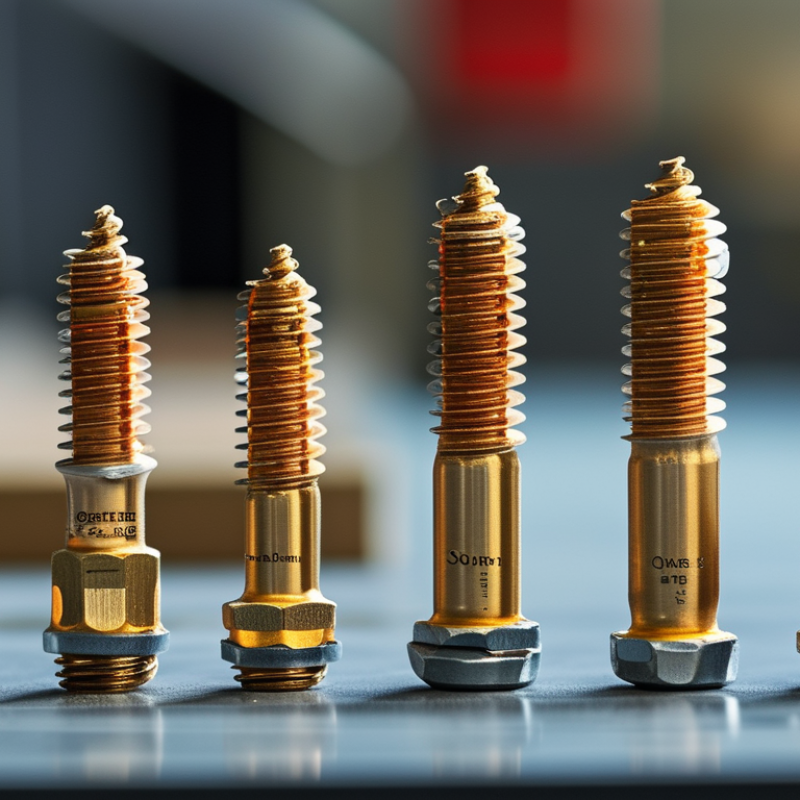
A seal screw is a fastener designed to close a passage, joint, or access point. It usually combines threads with an O-ring, bonded washer, or metal sealing surface. When tightened, the screw creates axial pressure against the sealing element. This pressure blocks fluid, dust, moisture, or gas from passing through the joint. The thread provides holding force. The seal provides protection.
The design seems simple. It is not always simple in practice. During assembly checks, technicians should inspect thread fit, sealing-face finish, and gasket position. A damaged thread may hold firmly but still leak. Excessive torque can crush an O-ring or deform a washer. Insufficient torque leaves a visible gap. Small defects matter.
Material selection depends on temperature, pressure, corrosion exposure, and the connected components. Stainless steel often suits demanding environments, while other alloys may reduce weight or cost. A reliable manufacturer should control dimensions, surface quality, hardness, and torque performance. Sample testing can include pressure checks, visual inspection, and repeated installation trials. One overlooked detail is storage. Sealing elements can harden or lose shape before assembly. The screw may look perfect, yet the seal has already weakened. Clear drawings, batch records, and practical installation guidance help suppliers deliver consistent results. Not every application needs the same sealing method.
A high-quality seal screw must combine mechanical strength with dependable sealing. MarketsandMarkets’ 2024 Fasteners Market report estimates the global market will grow from about USD 92.7 billion in 2023 to USD 116.3 billion by 2028. This growth increases demand for reliable fastening in machinery, automotive systems, and outdoor equipment.
Material selection matters. Carbon steel supports high tensile loads, while stainless steel improves corrosion resistance in humid environments. ISO 898-1 provides mechanical property requirements for carbon and alloy steel fasteners. The screw should also use a stable elastomer washer, not an improvised gasket. EPDM suits water and weather exposure, while fluorocarbon rubber handles higher chemical resistance. Temperature limits must be checked.
Thread accuracy is equally important. A clean thread reduces installation torque and prevents cross-threading. The sealing washer needs even compression around the hole. Too little pressure allows leakage. Too much pressure may deform the washer.
IEC 60529 defines ingress protection testing, but a seal screw alone cannot guarantee a complete IP rating. Housing design, surface finish, and assembly torque also influence results. In practical inspections, uneven washer marks often reveal poor alignment or excessive torque. I have found that attractive plating can hide weak process control, so buyers should request hardness, salt-spray, torque, and dimensional reports. No supplier should rely on appearance alone.
A reliable seal screw supplier should prove performance, not only offer a low quotation. Request material certificates, thread specifications, coating details, and production samples. Use a thread gauge, torque test, and leak test on those samples. Check sealing performance after vibration and temperature cycling. Samples matter.
The ISO Survey 2023 shows China has the largest number of ISO 9001 certificates worldwide. However, certification alone does not confirm consistent seal quality. Audit the actual factory, not only its documents. Ask for batch records, inspection plans, calibration dates, and nonconformance reports. A useful supplier can explain what happened when a batch failed. That conversation reveals experience.
Traceability should reach the raw-material heat number and packing label. Verify whether the manufacturer controls cold forming, machining, sealing assembly, and final inspection internally. The World Bank’s 2023 Logistics Performance Index ranked China 19th among 139 economies, with a score of 3.7 out of 5. Logistics are capable, but delivery promises still need evidence. Compare recent lead-time records, packaging photographs, and shipment data. I would also order a small pilot batch before approving annual volumes. It costs more initially. It may prevent an expensive mistake.
A reliable seal screw supplier starts with controlled manufacturing standards, not attractive catalog photos. Production should follow documented procedures aligned with ISO 9001 principles. Each batch needs clear records for material heat numbers, machine settings, operator checks, and final approval. Thread dimensions should be verified with calibrated plug and ring gauges. Critical tolerances must match the approved engineering drawing.
Material selection depends on the working environment. Stainless steel 304 suits many general applications, while 316 offers stronger resistance in humid or mildly corrosive conditions. Carbon steel can provide high strength when protected with a suitable coating. The sealing element also matters. EPDM, NBR, silicone, and other compounds react differently to temperature, oil, pressure, and chemicals. A supplier should provide material certificates and explain test limits plainly.
Quality control needs more than visual inspection. Samples should receive dimensional checks, coating thickness tests, thread engagement tests, and torque evaluation. Seal performance may require pressure or leak testing under defined conditions. In practical factory audits, small issues often appear at washer placement or inconsistent tightening. They are easy to overlook. That is a weakness worth correcting.
Statistical process control can reveal drift before rejected parts accumulate. Equipment calibration must be scheduled and traceable. Packaging also deserves attention, because damaged threads can ruin acceptable components. The best supplier is not simply the cheapest source. It is the manufacturer that communicates deviations early, protects batch traceability, and accepts technical questions without hiding uncertainty.
Choosing the best seal screw supplier in China requires more than comparing prices. Start by checking manufacturing experience, material knowledge, and inspection procedures. A capable supplier should explain thread tolerances, sealing materials, torque limits, and corrosion resistance clearly.
Request samples from the same production line, not specially polished prototypes. Inspect the screw head, thread profile, washer fit, and sealing surface under steady lighting. I also recommend testing installation torque with a calibrated tool. Small thread damage can cause leakage after repeated assembly. Ask for material certificates, dimensional reports, and batch traceability. Clear records matter.
Ask how the supplier controls incoming materials and final inspections. Reliable factories usually provide drawings, inspection standards, and corrective-action reports without hesitation. Confirm production capacity before approving large orders. A factory may produce excellent samples but struggle with consistency during volume production. This happens.
Communication is another practical test. Send a drawing with several technical details and observe the response. Does the supplier identify unclear tolerances? Does it suggest a safer sealing design? Honest questions often reveal stronger engineering ability than polished sales language. I would also check packaging, moisture protection, and delivery records. These details seem minor. They are not. No supplier is perfect, so leave room for trial orders, independent inspection, and a second technical review.
| Evaluation Dimension | Key Data or Specification | Recommended Benchmark | Verification Evidence | Suggested Weight |
|---|---|---|---|---|
| Product Definition | A seal screw is a threaded fastener that uses an integrated or separate sealing element to reduce leakage through a joint or threaded opening. | The supplier should clearly identify the screw type, sealing method, thread standard, material, and intended application. | Technical drawing, product datasheet, thread specification, and application guide. | 5% |
| Thread Standard | Common options include metric threads such as ISO metric coarse threads and inch-based Unified threads such as UNC or UNF. | Thread form, nominal diameter, pitch or threads per inch, tolerance, and gauge requirements must be stated consistently. | Thread drawing, calibrated plug or ring gauge records, and dimensional inspection report. | 12% |
| Base Material | Typical fastener materials include carbon steel, alloy steel, stainless steel, and non-ferrous alloys selected according to load and environment. | The material grade should be specified according to a recognized standard, with traceable heat or batch information. | Material certificate, chemical composition report, and batch traceability record. | 12% |
| Mechanical Strength | Relevant properties may include tensile strength, proof load, yield strength, hardness, and torque performance. | The supplied grade should meet the mechanical requirements stated on the approved drawing or applicable fastener standard. | Third-party or in-house mechanical test report, hardness report, and lot inspection data. | 12% |
| Sealing Element | Sealing materials may include elastomers, copper, aluminum, or other engineered materials, depending on temperature, pressure, and fluid compatibility. | The sealing material, hardness range, temperature range, fluid compatibility, and replacement requirements should be documented. | Sealing-material datasheet, hardness test, compatibility statement, and approved sample. | 14% |
| Leakage Performance | Leak testing can use pressure decay, air-under-water, helium, or another method appropriate to the application. | The supplier should define test medium, pressure, holding time, acceptance limit, and sampling plan instead of using only the term “leak-proof.” | Validated leak-test procedure, test records, equipment calibration certificate, and acceptance criteria. | 15% |
| Corrosion Protection | Available protections may include stainless-steel construction, zinc-based coatings, passivation, or other specified surface treatments. | The coating or finish should match the installation environment and should include a defined thickness, appearance, and corrosion-test requirement where applicable. | Coating specification, thickness inspection, salt-spray or cyclic-corrosion test report, and finish sample. | 10% |
| Dimensional Control | Important dimensions include head diameter, head height, overall length, thread length, sealing-seat geometry, and concentricity. | Critical dimensions should be controlled by an approved drawing with stated tolerances and inspection frequency. | Inspection plan, first-article report, coordinate or optical measurement report, and sampling records. | 8% |
| Torque and Installation | Installation performance depends on thread friction, surface finish, coating, seal compression, tightening speed, and tool accuracy. | The supplier should provide an installation torque range or test method when torque affects sealing or joint integrity. | Torque-tension test, installation instructions, controlled sample testing, and tool calibration record. | 6% |
| Quality Management | Production controls commonly cover incoming inspection, process inspection, final inspection, nonconformance handling, and corrective action. | A documented quality system should control specifications, records, inspection equipment, changes, and customer complaints. | Quality manual, process flow chart, control plan, audit report, and corrective-action records. | 10% |
| Sampling and Pre-Production Approval | Samples should represent the intended production material, tooling, sealing element, finish, and manufacturing process. | Approve samples only after dimensional, material, sealing, and functional checks are completed against the final drawing. | Sample approval form, comparison report, retained samples, and signed final specification. | 6% |
| Production Capacity | Capacity depends on cold forming, machining, rolling, heat treatment, sealing-element production, surface treatment, and inspection resources. | The supplier should provide realistic monthly capacity, lead time, minimum order quantity, and peak-season planning information. | Capacity statement, production schedule, equipment list, and recent delivery records with confidential information removed. | 5% |
| Traceability | Traceability links finished goods to raw material, production date, process records, inspection results, and packaging identification. | Each shipment should carry a lot or batch code that can be traced to material and quality records. | Lot label, packing list, material certificate, inspection report, and traceability demonstration. | 5% |
| Packaging and Shipping Protection | Seal screws should be protected against thread damage, deformation, contamination, moisture, and mixed-lot identification errors. | Packaging should separate different sizes or lots and preserve sealing surfaces during transport and storage. | Packaging specification, carton label, photos of packed samples, and storage instructions. | 3% |
TERMS OF USE - LEDOLUX
This site uses cookies in order to deliver services in accordance with Privacy Policy. You can use settings within your browser to control the cookies that are set on your computer – conditions of access or storage of cookies.
Your data controller will be LEDOLUX POLAND SP. ul. Innowacyjna 1; 36-060 Głogów Małopolski, which adapts the content of its website to your needs and analyses and examines them to improve it. More information.