

China Top 10 Outdoor Wall Lights Manufacturers?
Choosing a supplier for Outdoor Wall Lights involves more than comparing catalog photos or unit prices. A fixture beside a front door must handle rain, temperature changes, and repeated daily use. Its finish, seals, wiring design, and light output all matter. Small details count.
This guide introduces ten manufacturers in China for buyers seeking outdoor wall lighting options. It explains what to examine before requesting a quotation, including product range, customization, production capability, quality documentation, and export experience. Specifications should be checked model by model. An IP rating, for example, describes resistance to water and dust under defined test conditions; it does not guarantee performance in every installation. Ask for current product datasheets and relevant test reports, then compare them with the intended location and project requirements.
A shortlist is only a starting point. A polished catalog is not proof. Request samples when practical, confirm materials and finish options, and clarify packaging, lead times, warranty terms, and after-sales support in writing. Factory visits or independent inspections may provide useful evidence, though neither removes every risk. Supplier information can change, and public profiles may be incomplete. That is worth remembering. The manufacturers featured here should therefore be assessed against your own technical, commercial, and service needs—not treated as a universal ranking of the “best.” Good sourcing takes questions, comparison, and sometimes a second look.
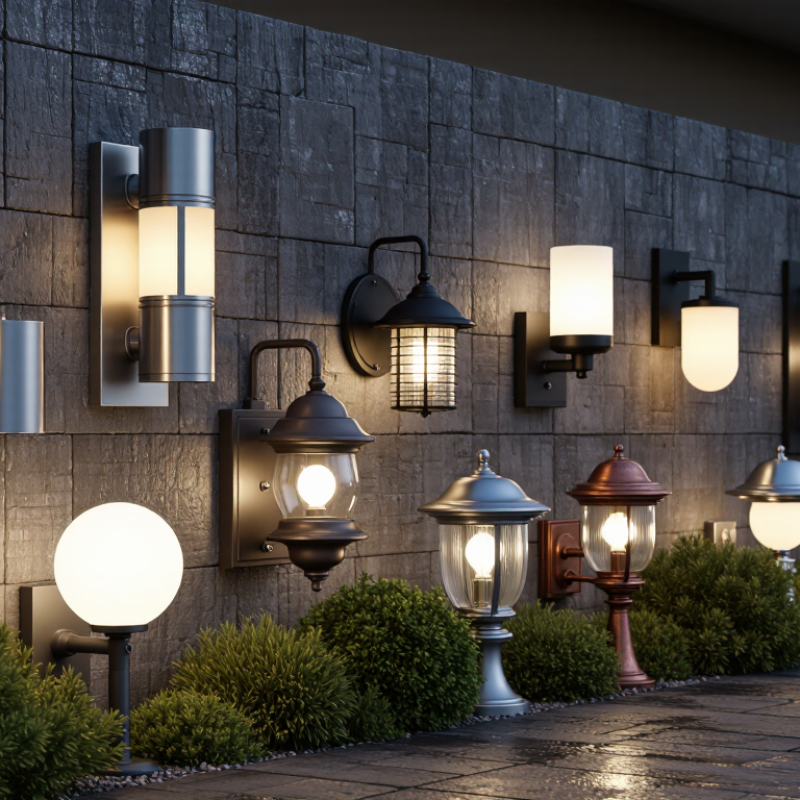
What Are Outdoor Wall Lights and Where Are They Used?
Outdoor wall lights are fixed luminaires mounted on exterior walls to provide useful light near doors, garages, balconies, and garden paths. They may illuminate a small area directly or spread softer light across a façade. Common designs include downlights, up-and-down fixtures, and enclosed lantern-style fittings. A warm beam beside a front door can help visitors find the handle without lighting the whole yard. Their purpose depends on placement, beam direction, brightness, and shade.
Used well, these lights support entry tasks, improve visibility on steps, and make patios more comfortable after sunset. Some also contribute to security, though they cannot replace a complete safety plan. Choose fixtures rated for the exposure they will face; rain, dust, coastal air, and roof cover affect durability. Check the weather rating and installation instructions rather than judging by appearance alone. A light that looks sturdy may still be unsuitable for an exposed wall. Mounting height and glare deserve attention, too. Bright light aimed into a neighbor’s window is poor design. There is no universal layout; testing the beam at night can reveal details that are easy to miss.
China Top 10 Outdoor Wall Lights Manufacturers? - What Are Outdoor Wall Lights and Where Are They Used?
A practical overview of common outdoor wall-light types, typical features, and suitable locations. Specifications shown are general examples; actual products vary by design.
| Light Type | Typical Design | Common Light Output | Common Protection Considerations | Typical Uses |
|---|---|---|---|---|
| Up-and-down wall light | Throws light upward and downward from a wall-mounted housing. | About 400–1,200 lumens | IP44 or higher is commonly considered for exposed outdoor locations; check the product rating and installation conditions. | Entry walls, patios, and exterior accent lighting |
| Bulkhead light | Compact, enclosed fitting with a robust diffuser, often round or oval. | About 500–1,500 lumens | IP54–IP65 options are common; select a rating appropriate to rain, dust, and cleaning exposure. | Garages, side passages, utility areas, and building exteriors |
| Lantern-style wall light | Decorative frame surrounding a clear, frosted, or seeded diffuser. | About 300–900 lumens | Outdoor-rated construction and sealed electrical connections are important; suitable IP ratings depend on exposure. | Porches, front doors, and traditional-style façades |
| Motion-sensor wall light | Includes a motion detector that switches the light on when movement is sensed. | About 700–2,000 lumens | Choose an outdoor-rated unit and position the sensor to reduce unwanted triggering. | Driveways, entrances, and side paths |
| Dusk-to-dawn wall light | Uses a photocell to switch on in low light and off in daylight. | About 500–1,500 lumens | The sensor should have a clear view of natural light and should not be obstructed by nearby lighting. | Building entrances and areas needing automatic nightly illumination |
| Shielded downlight | Directs most of its light downward to illuminate the area below the fitting. | About 300–1,000 lumens | Look for a suitable outdoor rating and a design that limits glare for the intended mounting height. | Doorways, steps, and narrow walkways |
| Recessed exterior wall light | Fitted into a wall or recessed box for a low-profile appearance. | About 100–500 lumens | Installation details and drainage matter; use a fitting rated for its specific position and exposure. | Low-level path guidance, steps, and retaining walls |
| Solar wall light | Uses a photovoltaic panel and rechargeable battery; operation depends on sunlight and battery capacity. | Often about 50–600 lumens, depending on design and operating mode | Check the outdoor protection rating and place the panel where it can receive adequate daylight. | Sheds, fences, and locations without convenient wiring |
| Decorative wall sconce | Provides ambient or accent lighting in a range of shapes and finishes. | About 200–800 lumens | Confirm that the fitting is specifically rated for outdoor use, rather than relying on appearance alone. | Covered porches, balconies, and exterior seating areas |
| High-output security wall light | Broad-beam fitting designed to illuminate a larger exterior area; may include a sensor. | About 1,500–4,000 lumens | Select an appropriate outdoor rating and aim the beam to avoid glare and unnecessary light spill. | Large driveways, loading areas, and building perimeters |
Note: IP ratings describe protection against ingress of solids and water under specified test conditions. Check local electrical requirements and the product instructions before installation.