How to Choose the Best Laser Distance Meter for Your Needs?
In the fast-evolving world of construction and design, choosing the right Laser Distance Meter is essential. Industry reports indicate that the global laser distance meter market is expected to grow significantly, with a CAGR of around 10% during the forecast period. This reflects an increasing reliance on precise measurement tools in various sectors, including real estate, architecture, and engineering.
Selecting a Laser Distance Meter can be daunting. With numerous options available, it’s important to consider specific features that meet your needs. Many professionals rely on devices that offer features like Bluetooth connectivity and digital displays for efficiency. However, the best tool for one project may not fit another. Understanding the unique demands of each task is crucial for making an informed decision.
Additionally, consumers often overlook the importance of accuracy and battery life. These factors can greatly impact productivity and project timelines. It’s essential to invest time in researching and comparing models, as the wrong choice could lead to errors and delays. Not all meters are created equal, and recognizing the differences can help prevent costly mistakes in the long run.
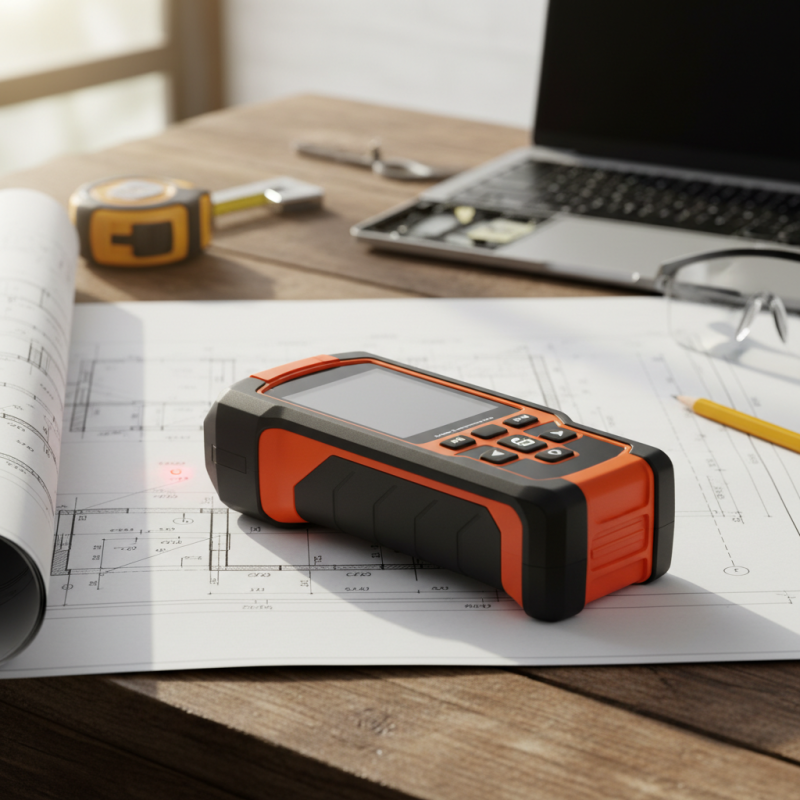
Understanding the Basics of Laser Distance Meters
Laser distance meters have revolutionized how we measure spaces. Understanding their basics is key to choosing the right one. These devices utilize laser technology to provide accurate measurements. According to market reports, about 75% of construction professionals prefer laser distance meters for their precision and efficiency.
Most laser distance meters can measure distances up to 300 feet. Some models extend beyond 1,000 feet. The accuracy typically ranges from ±1/16 inch to ±1/8 inch. This precision is crucial for architects and engineers. Yet, many users overlook how environmental factors can affect measurements. For example, sunlight might disrupt laser visibility. Users must consider these variables.
The features of laser distance meters vary widely. Basic models simply measure distance. Advanced ones calculate area and volume. They may also include Bluetooth for data transfer. However, newer technology comes with a steeper learning curve. Users may struggle with complicated interfaces. This complexity can lead to mistakes in critical measurements. A cautious approach is vital for successful application.
Laser Distance Meter Features Comparison
This bar chart compares three different laser distance meter models based on their measuring range, accuracy, battery life, and weight. This can help you identify which model may be best suited for your specific needs.
Key Features to Consider When Selecting a Laser Distance Meter
When selecting a laser distance meter, key features play a vital role in ensuring it meets your specific needs. Accuracy is paramount. Look for devices that offer precision within a few millimeters. Poor accuracy can lead to significant errors in measurements. Consider the measurement range as well. A versatile range allows for both small and large projects. If you plan to measure distances greater than 100 feet, ensure the meter can handle it.
User-friendliness is another critical feature. A clear display and simple interface can save time. A backlit screen is helpful in low-light environments. Also, consider battery life. Frequent charging can disrupt workflows. Some meters offer extended battery life, which can be more reliable during long jobs. Additionally, durability matters. A rugged design can withstand the rigors of job sites. However, be mindful of weight. A lightweight meter can be more portable but might be less durable.
Lastly, think about added functionalities. Some meters come with features like Bluetooth connectivity. This can help in transferring data easily. However, if these advanced features are not necessary, focusing on core measurements is wise. Balancing complexity with your actual needs is crucial. In the end, identifying which features align with your specific tasks can make all the difference.
Comparing Different Types of Laser Distance Meters
When comparing different types of laser distance meters, it’s essential to understand their specific features and applications. There are generally three main types: handheld, automatic, and digital levels. Handheld meters are compact and user-friendly, making them ideal for quick measurements on small projects. Studies show that over 70% of field professionals prefer these due to their portability.
Automatic meters utilize advanced technology to measure distances with high precision. They are often used in construction and engineering. For instance, a recent industry report indicated that automatic laser distance meters possess an accuracy of ±1 mm over long distances, making them a popular choice for large-scale projects. However, their complexity may intimidate novice users.
Digital levels are another option, incorporating features like data storage and Bluetooth connectivity. While they can enhance efficiency, they may require a learning curve. Users report mixed experiences with setup and usage, often wishing for clearer instructions. Choosing the right type depends on your specific needs and experience level. Understanding these distinctions will help ensure you invest in the most suitable laser distance meter for your tasks.
Assessing Accuracy and Measurement Range Requirements
When choosing a laser distance meter, accuracy and measurement range are critical parameters. Accuracy is usually expressed in terms of a percentage of the measurement. For most professional applications, a device with an accuracy of ±1/16 inch is considered acceptable. Reports suggest that meters with higher precision often cost significantly more. Users must evaluate if such precision is necessary for their tasks. For example, construction professionals may require tighter tolerances than those in landscaping or home renovation.
Measurement range is equally important. Many laser distance meters boast ranges from 30 feet to over 650 feet. According to industry studies, meters with longer ranges often provide better visibility and versatility on job sites. However, it’s essential to consider the environment. If you frequently work outdoors, wind and light conditions can affect readings. Interestingly, some users report discrepancies when measuring in bright sunlight. These factors can lead to frustration and inaccuracies if not accounted for early on.
The right combination of accuracy and range can streamline your work. It's advisable to test devices if possible. Feedback from experienced users shows that hands-on trials can reveal potential issues. If the logic or ease of use is unclear, reconsider the options. This reflective approach can prevent future complications.
Evaluating User Reviews and Brand Reputation
When choosing a laser distance meter, it's essential to dive into user reviews. They often reveal real experiences that specifications cannot. Look for consistent themes in feedback. Are users praising accuracy? Do they mention ease of use? These insights are invaluable for understanding product performance.
Brand reputation also plays a critical role. A well-regarded brand usually implies reliability and support. However, even top brands can have off products. Always look for detailed user evaluations over mere star ratings. Some models may have great features but fall short in practical scenarios. One user's perfect experience might contrast with another's frustration.
Be aware of occasional biases in reviews. Some users may have unrealistic expectations. Others might not fully understand the product's capabilities. Check for both positive and negative feedback. This helps in creating a balanced picture. When selecting your laser distance meter, a comprehensive view of user experiences and brand credibility can guide your decision effectively.