How to Choose the Best Outdoor Waterproof Telephone for Your Needs?
Choosing the right Outdoor Waterproof Telephone can be a daunting task. With so many options available, it’s easy to feel overwhelmed. This device is essential for those who spend time in challenging environments, such as hiking, camping, or working in construction. An ideal telephone needs to endure water exposure and rugged conditions.
Consider what features matter most to you. Battery life, durability, and ease of use are critical. You might want to look for models with strong cases and high IP ratings. Many outdoor enthusiasts underestimate the importance of these ratings. Additionally, user reviews can provide insights that specifications alone cannot.
Not every Outdoor Waterproof Telephone will meet your expectations. Sometimes, a device may claim to be waterproof but fails when subjected to real-life conditions. It's important to test any claims with practical experience. Reflect on your needs and how an outdoor phone fits into your lifestyle. Prioritize quality and reliability to ensure the best choice for your outdoor adventures.
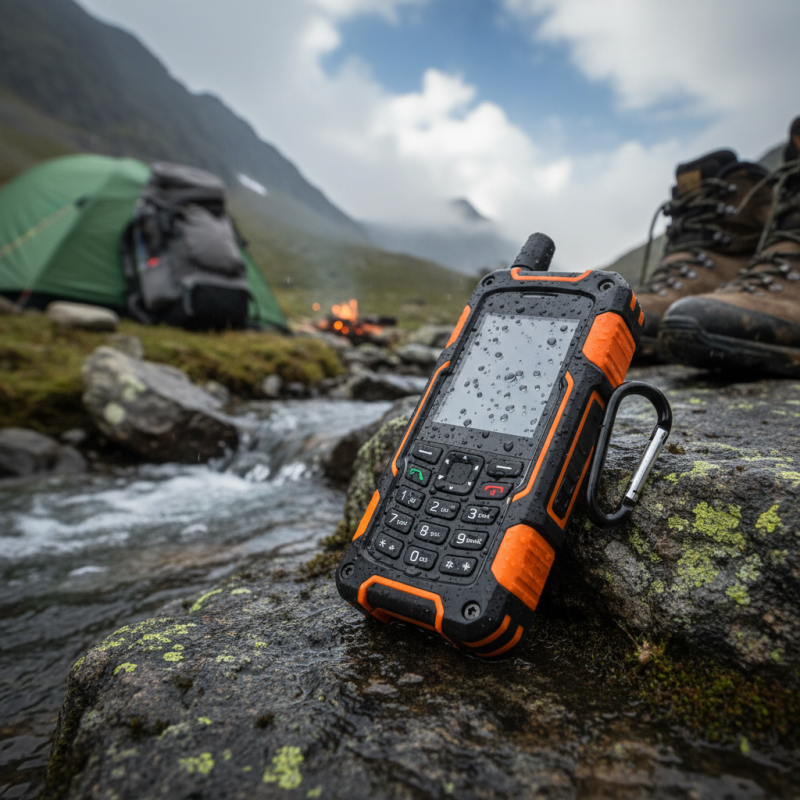
Understanding IP Ratings and Their Importance in Waterproof Phones
When choosing an outdoor waterproof telephone, understanding IP ratings is essential. IP stands for Ingress Protection. It defines how well a device can resist dust and water. For example, a phone with an IP68 rating is designed to withstand immersion in water beyond one meter for a prolonged time. However, this doesn’t mean you can take it for a swim every day.
Different activities require different levels of protection. If you're hiking in rain, an IP67 rating may suffice. But for boating or extreme weather, aim for higher ratings. It's necessary to think about your environment. A rugged design might look appealing, but does it meet your needs?
Keep in mind that no phone is entirely waterproof. Over time, seals may wear out. There's a possibility of failure with prolonged use in tough conditions. Regularly inspect your phone for wear and damage. Consider your activities and how often you expose your phone to moisture. Balancing protection with other features is key for outdoor adventures.
Key Features to Look for in Outdoor Waterproof Telephones
When searching for the best outdoor waterproof telephone, focusing on key features is essential. Look for a device with an IP67 or higher rating. This indicates it can withstand being submerged in water for short periods. A study by the Telecommunications Industry Association (TIA) notes that devices with higher ratings are becoming increasingly popular, especially among outdoor enthusiasts.
Battery life is another crucial factor. Long-lasting batteries enhance usability in remote areas. Reports indicate that 48% of outdoor users prioritized battery longevity. Features like solar charging can be beneficial, but not always reliable. Consider additional aspects like durability and ease of use. Some models may look rugged but lack in practical usability. Check weight and dimensions as well; heavy devices can be cumbersome during extended outdoor activities.
Also, think about connectivity. Many outdoor phones now include advanced features like GPS and emergency support. However, these functions often put a strain on the battery. The trade-off could leave you without power when you need it most. Analyzing user reviews can help identify performance issues. While a phone may seem perfect on paper, real-world experiences can expose hidden flaws.
Comparative Analysis of Leading Waterproof Telephone Brands
When choosing an outdoor waterproof telephone, performance across brands varies significantly. A comparative analysis indicates several key factors: water resistance ratings, durability, and user experiences. Most leading brands feature IP67 or IP68 ratings. This means they can withstand submersion in water for extended periods. However, actual user experiences often tell a different story. While a rating suggests great protection, real-world conditions can expose flaws.
Durability is another critical aspect. Many reports indicate that drop resistance is equally as important as water protection. A study found that nearly 35% of users experience accidental drops, leading to device failure. So, while it’s vital to consider waterproof features, assessing drop tests can provide better insights. Some brands excel in one area but falter in another.
Additionally, ergonomics and usability greatly affect user satisfaction. Devices that are bulky may offer better protection but can be cumbersome. Factors like battery life and user interface should not be overlooked. Some outdoor users report that prolonged battery life significantly enhances outdoor experiences. In some cases, brands that prioritize usability trade-off slightly on ruggedness. Balancing all these elements is critical for finding the right model to suit individual needs.
User Testimonials: Real-World Performance of Waterproof Phones
When considering an outdoor waterproof telephone, user testimonials highlight real-world performance. Many users have shared their experiences in various environments. One individual took their phone hiking in rainy conditions. Despite the heavy downpour, the device remained functional. They appreciated the touchscreen’s responsiveness, even when wet. However, the battery drainage was faster than expected. This feedback is important for anyone planning long outdoor trips.
Another testimonial came from a user who frequently camps near water bodies. They dropped their phone into a lake while taking photos. To their relief, it survived underwater for several minutes. The user noted some difficulty with audio clarity after recovery. It seems waterproofing can come with trade-offs. Some features may not work perfectly in every situation.
User reviews indicate that while many waterproof phones perform well, there can be inconsistencies. Some customers wished for better resilience against drops, despite water resistance. These insights remind potential buyers to weigh their own needs carefully. Each user experience paints a different picture. Ensure that any outdoor telephone will align with your specific activities and challenges.
Cost vs. Durability: Finding the Best Value in Waterproof Telephones
When choosing an outdoor waterproof telephone, cost and durability are key factors. A recent industry report indicates that consumers often overlook how much durability impacts value. While some devices may have lower price tags, they might not sustain harsh weather. For instance, a device rated IP67 can survive submersion in water for 30 minutes. Comparatively, an IP68 rating means it withstands being submerged deeper for a longer time. The price difference may seem unjustified, but durability often translates into a longer lifespan.
In addition to waterproof ratings, materials matter. Devices made with reinforced glass and durable plastics often last longer than those constructed from cheaper materials. Studies show that phones with high durability ratings can save consumers significant money over time. If a phone lasts twice as long, it reduces the stress of frequent replacements. However, not all expensive phones are built equally. Some high-cost options may sacrifice function for aesthetic, and consumers should weigh these elements carefully.
There's also the temptation to opt for cheaper alternatives. While they may seem appealing, many fall short on durability. Consumers often report frustration when these phones fail in extreme conditions. Investing in a more robust option may seem expensive upfront. Yet, the realization that a reliable phone is worth its cost becomes evident after a few months.
Comparison of Key Features in Outdoor Waterproof Telephones