Why Choose LED Factory Lighting for Your Business Efficiency?
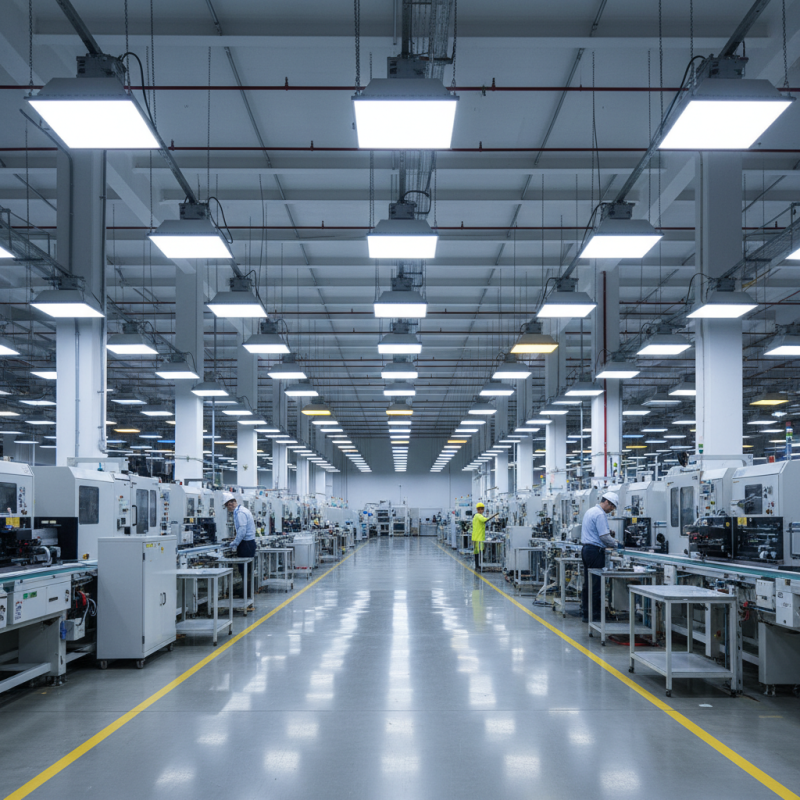
LED factory lighting offers numerous advantages for businesses aiming to enhance efficiency. One of its primary benefits is energy savings. Traditional lighting consumes more power, resulting in higher utility bills. In contrast, LED lights use significantly less energy. This reduction in consumption leads to lower costs over time.
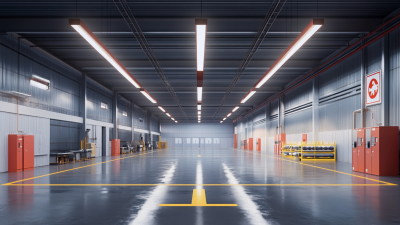
Furthermore, LED factory lighting provides better quality illumination. Poor visibility can cause accidents and hinder productivity. With adequate lighting, employees can work more effectively and safely. Enhanced focus often results in improved output.
However, it's vital to choose the right LED fixtures for your specific needs. Not all LEDs are created equal, and some may not provide the expected benefits. Consider factors such as brightness, color temperature, and fixture placement. Reflecting on these details can ensure that the lighting serves its purpose efficiently and effectively.
Advantages of LED Lighting for Industrial Settings
LED lighting offers numerous advantages for industrial settings. Its energy efficiency stands out. Businesses can reduce energy costs significantly by switching to LED. Unlike traditional bulbs, LEDs consume less power. This can lead to lower utility bills over time. The initial investment may seem high, but the long-term savings are substantial.
Moreover, LED lights have a longer lifespan. They can last up to 25,000 hours or more. This means fewer replacements and less maintenance. Industrial environments often require durable lighting solutions. LEDs meet this need effectively. Their resilience to vibrations and shocks is another plus. However, installing them can require careful planning. Poor placement can lead to uneven lighting, which may hinder productivity.
Another advantage is better light quality. LED lights provide bright, consistent illumination. This enhances visibility and reduces eye strain. Workers can feel more alert in well-lit spaces. Yet, there are challenges as well. Some may find the color temperature too harsh. Adjustments may be necessary to create a comfortable atmosphere. Balancing efficiency and comfort is key for any business.
Impact of LED Factory Lighting on Energy Efficiency
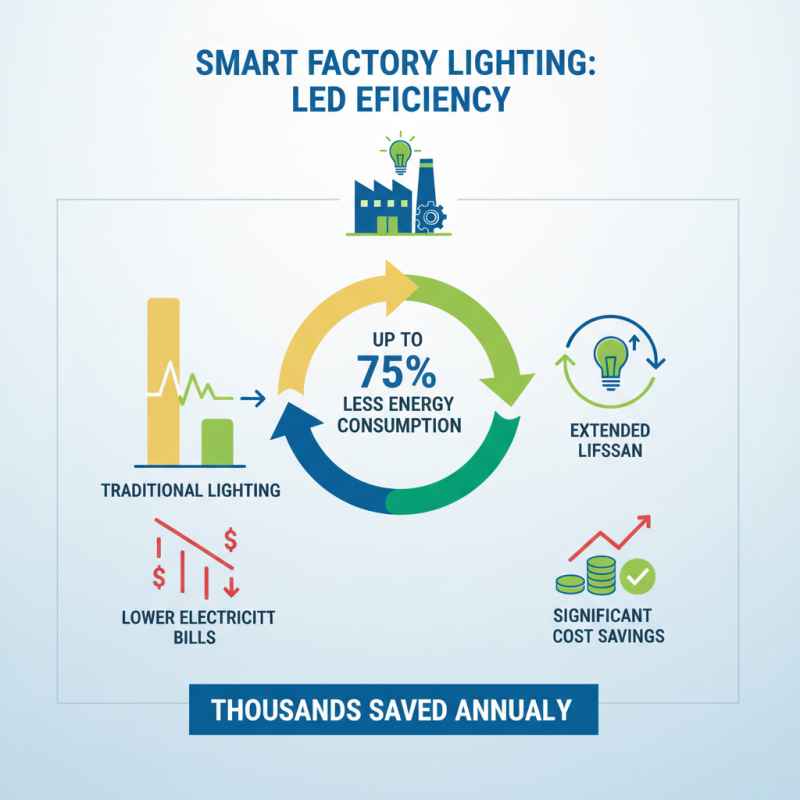
LED factory lighting has become a focal point for businesses aiming to enhance energy efficiency. Studies indicate that LED lights consume up to 75% less energy than traditional lighting. Over their lifespan, this leads to significant savings on electricity bills. For instance, a factory replacing older lighting with LEDs can reduce its energy usage dramatically, potentially saving thousands annually.
Tips: Consider installing motion sensors. They can further lower energy consumption by ensuring lights are only on when needed.
Beyond just the cost savings, LED lighting contributes to a better work environment. Proper lighting improves visibility and can increase worker productivity. However, not every LED option is suitable. Some lights may flicker or provide uneven light distribution. It’s crucial to choose high-quality products that meet your specific needs.
Tips: Always review product specifications. Look for energy ratings and user reviews for informed decisions.
Additionally, investing in LED technology may require upfront costs, which can be a barrier for some. However, most LEDs have a longer lifespan, resulting in fewer replacements. Balancing initial investments with long-term gains is vital for sustainable growth in any factory setting.
Cost Savings Associated with Transitioning to LED Lighting
Transitioning to LED factory lighting can yield significant cost savings for businesses. According to the U.S. Department of Energy, LED lighting uses up to 75% less energy than traditional incandescent bulbs. This can lead to lower electricity bills, making a considerable impact on overall operational costs. For example, a factory that spends $10,000 annually on lighting could save $7,500 by switching to LED.
Maintenance costs also decline with LED lights. These bulbs have a longer lifespan, lasting about 25,000 hours compared to 1,000 hours for incandescent lights. Companies can reduce labor and replacement costs. However, there can be an initial investment challenge. The upfront cost of LED can deter some businesses. It's crucial to weigh these costs against the long-term savings.
Moreover, LEDs offer better efficiency in terms of light output. Studies show that brighter environments can enhance productivity. A well-lit workspace can positively affect employee morale. In industries where safety is vital, LEDs provide brighter light, reducing accidents. Yet, businesses must assess their specific needs when transitioning. Simply installing LEDs without a detailed plan might not yield the expected benefits.
Cost Savings Associated with Transitioning to LED Lighting
This bar chart illustrates the cost savings and efficiency benefits associated with transitioning from traditional lighting to LED lighting in terms of initial costs, yearly energy costs, yearly maintenance costs, and lifespan. LED lighting shows significant savings, making it a favorable option for improving business efficiency.
Enhancing Workplace Safety and Productivity with LED Lighting
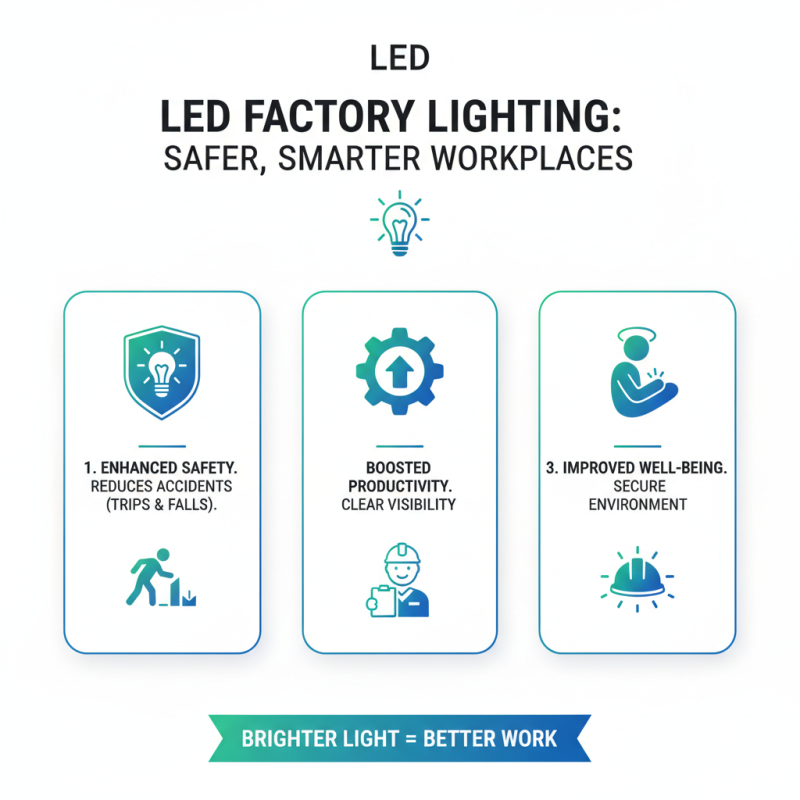
LED factory lighting is transforming workplaces into safer and more productive environments. With ample brightness, LED lights minimize the risk of accidents. For example, in a manufacturing setting, proper illumination highlights potential hazards, reducing trips and falls. Workers feel more secure, knowing they can see their surroundings clearly.
In addition to safety, LED lighting enhances productivity. Studies show that well-lit areas boost focus and morale. Employees are less likely to feel fatigued. But, not all installations are perfect. Some may not distribute light evenly, creating shadowy areas. This could hinder performance. Regular assessments can identify these flaws.
Investment in LED lighting impacts operational efficiency. Energy savings are substantial, allowing funds to be redirected. However, companies should evaluate their specific needs. A one-size-fits-all approach doesn't work. Too intense lighting can lead to discomfort. Thoughtful design and placement of lights can make a significant difference.
Environmental Benefits of Using LED Technology in Factories
LED technology is transforming factory environments. Factories that implement
LED factory lighting enjoy significant environmental benefits. These lights use
less energy than traditional options. This efficiency reduces
greenhouse gas emissions substantially. A factory can cut its carbon footprint with the right lighting choice.
Also, LED lights have a longer lifespan. They last up to 25,000 hours or more. This means
fewer lights need to be replaced, reducing waste. However, replacing old systems with LEDs requires careful planning. It's not just
a straightforward switch. Factors like light placement and intensity
must be considered.
Additionally, LEDs produce less heat. This reduces cooling costs, which is an often-overlooked benefit. Factories can save money
on both electricity and maintenance. It's essential to evaluate if the initial investment is justifiable. Ultimately,
understanding these environmental benefits can lead to smarter decisions for
factory operations.