How to Choose Simple Lighting for Any Space?
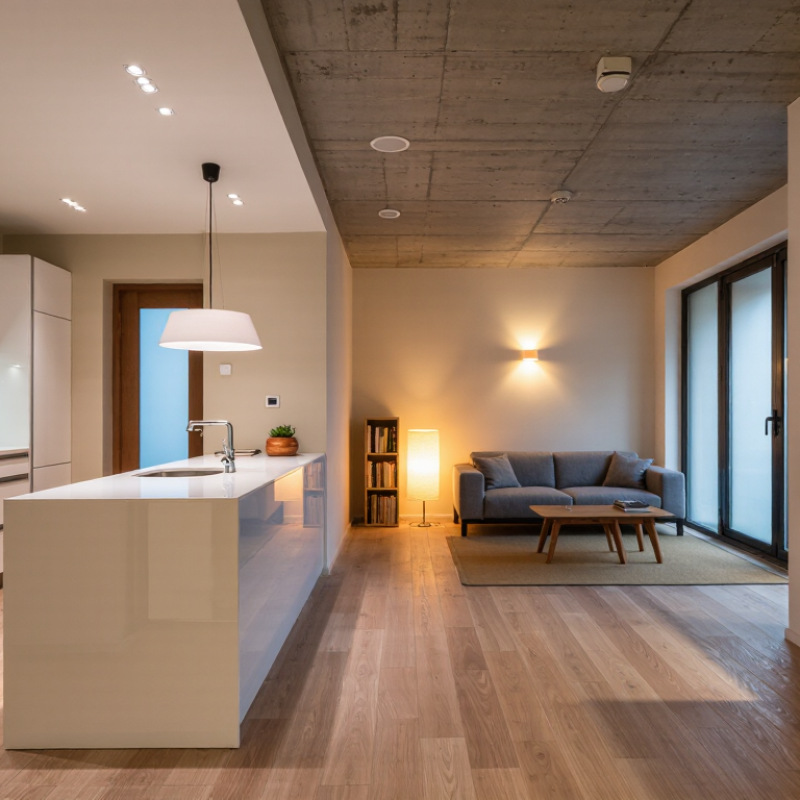
Choosing lighting for a room can feel harder than it should. Simple Lighting starts with a clear question: what do you do in this space? A kitchen needs bright, even light for chopping and cleaning, while a living room often benefits from softer layers for reading and relaxing. Match the light to real tasks, not just a fixture’s appearance. That small shift makes choices easier.
Look at the room in daylight and after dark. Notice where shadows fall, how high the ceiling is, and whether a nearby window changes the mood. A desk lamp beside a laptop, a pendant above a dining table, or a wall light near a hallway mirror can each solve a specific problem. Measure before buying, and check that fixtures suit the room’s size and existing wiring. For electrical work, follow the product instructions and consult a qualified professional when needed.
Keep the plan practical. Three well-placed light sources may work better than one bright ceiling fixture. Dimmable bulbs can offer flexibility, but only when the bulb and control are compatible. Warm or cool light also changes how paint, wood, and fabric look, so test a bulb in the room before choosing several. It is easy to overthink this. Still, there is no single formula for every home; a light that feels calm in one room may feel dull in another. Start with what the space needs, then adjust as you live with it.
Assess the Space, Its Purpose, and Available Natural Light
Begin with daylight. Visit each room at different times and note where sunlight lands. A desk beside a bright window may still cast shadows across a notebook. Track glare on screens, dark corners, and changes on cloudy days. A north-facing room often receives steadier light; a west-facing room can get strong afternoon sun. One visit can mislead, so check again on an overcast afternoon.
Purpose changes what “enough light” means. In a kitchen, inspect counters and sink areas for shadows. In bedrooms, consider gentle ambient light and a separate reading light. The WELL Building Standard v2 offers a practical daylight benchmark: 200 lux in at least half of regularly occupied space for at least half of occupied hours. It is a design target, not a guarantee of comfort in every room.
The U.S. Department of Energy estimates that lighting uses about 15% of an average home’s electricity. Good daylight assessment can help limit unnecessary use, but habits and window coverings matter too. Before choosing fixtures, observe how much daylight remains after curtains, shelves, or nearby buildings block it. I would not assume a larger window solves every dim spot. Sometimes the overlooked corner needs a small task light, not brighter lighting everywhere.
Choose the Right Type of Lighting for Each Task
Choose lighting by the work a space needs. A desk lamp should put light on the page without reflecting off a screen. For reading, place the lamp beside or behind your shoulder to limit glare. In a kitchen, under-cabinet lights help illuminate a cutting board and reduce shadows from overhead fixtures. Small details matter. The Illuminating Engineering Society’s recommended illuminance guidance varies by visual task and room conditions, so one brightness level rarely suits every surface. If a workspace feels tiring, adjust the light’s position before buying a brighter bulb.
Layer task lighting with softer ambient light rather than asking one ceiling fixture to do everything. An adjustable desk lamp is useful when work shifts from typing to paper documents. Check whether its beam can be aimed, and whether the shade hides the bulb from your usual viewing angle. The U.S. Department of Energy reports that LEDs use at least 75% less energy and can last up to 25 times longer than incandescent bulbs. That efficiency helps, but a poor beam still feels poor. I sometimes choose a lamp for its shape first; it is worth reconsidering whether it actually lights the task.
Select Fixtures That Suit the Room’s Size and Layout
A fixture should fit the room before it catches the eye. In a narrow hallway, a low-profile ceiling light keeps the walking path clear. Over a dining table, a pendant should suit the table’s footprint rather than dominate the whole room. Measure the space and key furniture before shopping. Ceiling height matters too. Measure before buying. A large shade can feel heavy in a compact room, even when its design looks simple.
Tips: Sketch the layout and mark doors, seating, and work surfaces. Choose a fixture that leaves comfortable clearance. As a rough guide, add the room’s length and width in feet; that number can suggest a central fixture’s diameter in inches. It is only a starting point, not a strict rule. Check brightness and shade direction when you can.
Consider where the light needs to land. A desk often benefits from a focused task lamp, while a living room may need a ceiling light and smaller lamps near seating. Keep switches easy to reach, and avoid placing bright bulbs directly in someone’s line of sight. If corners still look dim, the room may need another light source. I’ve found that a second fixture can sometimes feel like too much, so test the arrangement before committing.
Choose Lighting That Fits the Room
Estimated ambient light output by room size and layout
These planning estimates use room area multiplied by a typical ambient illuminance target: living room, 20 m² × 100 lux = 2,000 lumens; bedroom, 14 m² × 100 lux = 1,400 lumens; kitchen, 12 m² × 300 lux = 3,600 lumens; bathroom, 6 m² × 200 lux = 1,200 lumens; hallway, 5 m² × 100 lux = 500 lumens. Choose fixtures and their placement to spread light across the room; task areas may need additional lighting.
Match Bulb Brightness and Color Temperature to the Space
Match bulb brightness to what you do in the space, not just its size. Lumens measure light output; watts describe energy use. A reading chair may need a focused lamp, while a hallway usually needs softer, even illumination. In a kitchen, brighter task lighting can help you see details on a counter. Combine it with gentler ambient light to avoid a harsh, flat feel. Rooms with dark walls or limited daylight may need more light than expected.
Tips: Try 2700–3000K for a warm, relaxed bedroom or living room. Consider 3000–4000K for kitchens, bathrooms, and work areas. Check the bulb’s packaging, and use the same color temperature for nearby fixtures when you want a consistent look.
Color temperature is a starting point, not a rule. A cool bulb can feel clinical in a small room, while a warm bulb may make detailed tasks harder. Test one bulb at the time of day you use the space most; daylight can change how its color appears. I’ve found that a lamp aimed at a pale wall often feels softer than a bare bulb overhead. Still, that may not work with every paint color. Adjust brightness and placement, then live with the setup for a few evenings before deciding.
Plan Fixture Placement and Simple Lighting Controls
Simple lighting begins with a placement plan, not a fixture count.
Sketch the room and mark reading chairs, kitchen counters, desks, and walkways. Put task light close to the work: a lamp beside a chair, or a focused fixture above a counter. Keep switches near entrances, and avoid placing every light on one circuit. Separate general, task, and accent lights so a bright work area does not force the whole room to glow.
Controls should match how people actually use each space.
A hallway may need a simple switch; a rarely used storage room may benefit from an occupancy sensor. In rooms with strong daylight, separate window-side fixtures from interior lights.
The U.S. Department of Energy’s 2017 report on networked lighting controls estimated average lighting-energy savings of 47% across modeled commercial building types.
That figure is not a promise for every home or installation; layout and habits matter. Test the plan at different times of day. A switch that looks obvious on paper can still be awkward beside a doorway. Sometimes, the simplest control is the one people remember to use.