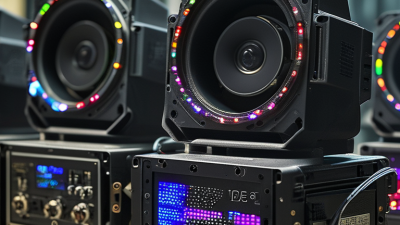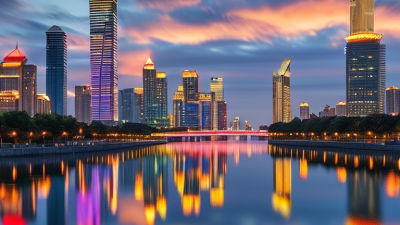

Choosing a Led Stage Light in 2026 requires more than comparing brightness, color range, and price. A stage is a working environment, not a showroom. Fixtures must survive repeated loading, heat, dust, transport, and long rehearsals. The U.S. Department of Energy reports that LED products can use at least 75% less energy and last up to 25 times longer than incandescent sources. That matters when dozens of fixtures operate above performers for hundreds of hours.
The market is also expanding quickly. Grand View Research valued the global LED lighting market at approximately USD 78.6 billion in 2023 and forecasts continued growth through 2030. This growth brings better products, but also confusing specifications. Some manufacturers emphasize peak lumens while hiding poor color consistency, fan noise, or unstable dimming. A brighter fixture is not automatically the better fixture.
“Lighting is the art of controlling light,” wrote theatre lighting expert Richard Pilbrow. His point remains practical in the LED era. A reliable Led Stage Light should shape faces naturally, maintain color during dimming, and produce smooth fades without visible stepping. Check TM-30 or CRI data, beam control, refresh rate, and manufacturer service support. Test the fixture at show distance, not only inside a warehouse.
There is no perfect specification sheet. A fixture may offer excellent output but create distracting fan noise. Another may deliver beautiful colors but require difficult maintenance. This is where many buying guides oversimplify the decision. In 2026, the strongest choice balances visual quality, power consumption, control compatibility, repairability, and the real demands of your venue.
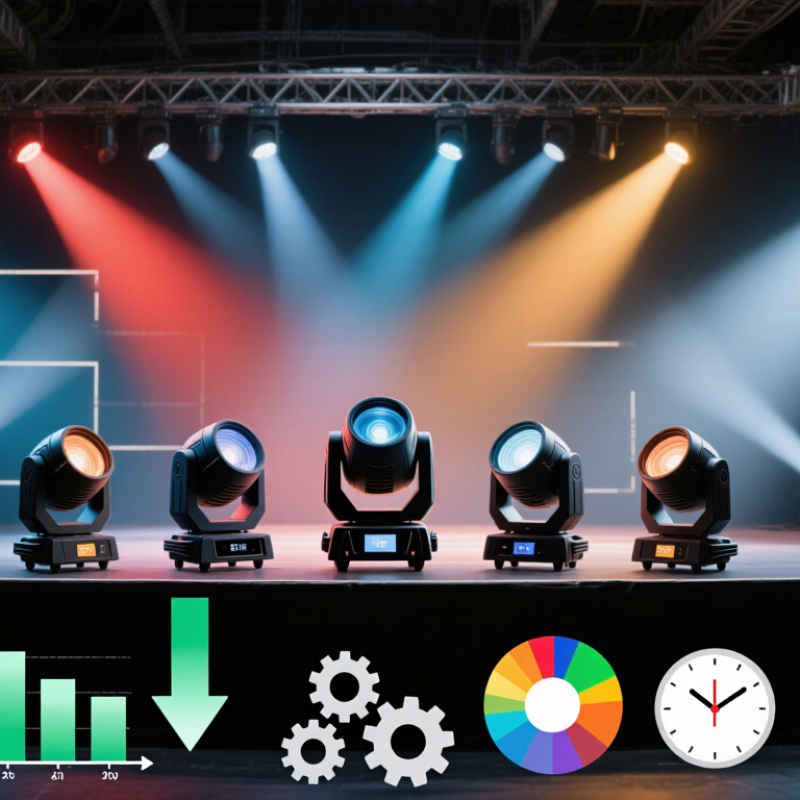
How to Choose LED Stage Lights in 2026?
Define Your Stage, Audience, and Lighting Requirements
Start with the stage itself, not the fixture catalog. Measure its width, ceiling height, and performer distance. A small club may need compact lights with controlled beams. A theater needs even coverage across faces, floors, and backdrops. Outdoor stages require weather-resistant housings and secure mounting points. I once planned a bright setup for a shallow room. The rear wall became distracting, so the original design needed revision.
Study your audience position carefully. People sitting close to the stage notice glare, sharp color changes, and visible cables. Viewers farther away need stronger output and clear color separation. Consider the event type, too. A spoken presentation needs natural skin tones. A concert may benefit from saturated colors and fast movement. Check color rendering, beam angle, dimming quality, noise level, and control compatibility. Specifications help, but a real venue test remains more reliable.
Tips: Mark audience sightlines with tape before choosing beam angles. Test one light at full brightness and low intensity. Watch faces from several seats. Leave some output capacity for haze, distance, and future changes. Avoid choosing only by wattage; optical efficiency matters more. Keep a written lighting plan, although it may change after the first rehearsal. That is normal. Small adjustments often reveal practical problems that product sheets cannot show.
Define your stage, audience, and lighting requirements before selecting fixtures.
These practical planning benchmarks compare typical front-light illuminance targets with minimum color-rendering requirements for different stage environments. Larger audiences and more complex productions usually require higher illuminance, while a CRI of 90 or above is preferred when accurate skin tones, costumes, and scenic colors matter. Final values should be verified through a photometric lighting plan for the venue.
Choosing LED stage lights starts with the beam, not the fixture’s appearance. PAR fixtures create broad, strong washes for bands, theaters, and event backdrops. Fresnels produce soft edges, making them useful for faces and gentle stage transitions. Profile fixtures create sharp beams and clean shapes. They suit concerts, presentations, and theatrical spotlighting. A narrow beam can highlight one performer, while a wide beam can cover a full set.
Wash bars spread color across walls, floors, or scenic pieces. They work well for architectural lighting and background movement. Moving-head fixtures add changing directions, patterns, and fast visual effects. Use them where dynamic energy matters, but avoid excessive movement during dialogue. Pixel-controlled fixtures create animated lines and color-chasing effects. They are effective for stages needing a modern visual texture. Keep it simple.
Check beam angle, color rendering, flicker performance, brightness, and noise levels before buying. High color rendering helps skin tones look natural under cameras. Low-flicker output matters for livestreams and slow-motion video. Confirm DMX or network compatibility with the control system already installed. Also inspect power connectors, mounting points, ventilation, and weather protection. My own early mistake was choosing brightness over beam control. The result looked powerful but flattened the performers’ faces. I now test fixtures from the audience position, not beside the stage. A short rehearsal often reveals more than a specification sheet.
How to Choose LED Stage Lights in 2026?
Brightness should match the venue, distance, and beam angle, not just the advertised lumen figure. A narrow beam can look powerful from the back of a theatre but feel harsh on a small stage. Check illuminance at the working distance, ideally with a light meter. I once chose fixtures by output alone and created bright faces with dark backgrounds. That mistake taught me to test the actual layout.
Color quality matters when performers, costumes, and scenery must look natural. Look beyond basic CRI ratings and check R9, skin tones, and consistency between fixtures. High color quality can still appear different under cameras. Run a short camera test before installation. Beam control is equally practical. Zoom, shutters, frost, and adjustable focus help shape clean pools of light. Effects should support the performance, not bury it in movement. Smooth dimming, low flicker, accurate color mixing, and quiet fans matter during close scenes.
Tips: Compare lights at the same distance and angle. Test white, deep red, and pale blue. Watch for stepping during fades. Listen during quiet moments. Leave some room for error; real stages rarely behave perfectly. A fixture that looks impressive alone may become difficult when several units overlap. Also, recheck your choice after rehearsal, because paper specifications cannot reveal every problem.
Power selection begins with more than wattage. Compare actual power draw, output, heat, and circuit capacity.
The U.S. Department of Energy’s Energy Saver data states that LEDs use at least 75% less energy and last up to 25 times longer than incandescent lamps.
In practice, high output can still create heat. Check cooling clearance, fan noise, dimming behavior, and startup load before installation. I have seen small venues overload one circuit with several efficient fixtures.
Installation details deserve equal attention.
Confirm fixture weight, approved clamps, safety cables, ventilation space, connector types, and the venue’s rigging limits. Outdoor events also need suitable ingress protection.
A lighting plan should calculate total load, cable length, voltage drop, and emergency access. No spreadsheet is perfect. Recheck it on site.
Control systems should match the crew’s skills and future expansion plans.
DMX512-A remains common, while RDM can assist with addressing and diagnostics. Art-Net and sACN support networked control, but unmanaged networks may create confusing faults.
The International Energy Agency’s 2024 Energy Efficiency report highlights controls as an important source of additional energy savings, not merely convenience.
Safety checks should reference IEC 60598-2-17 for stage luminaires and IEC 62471 for photobiological risks. Test flicker, glare, cable strain, enclosure temperature, and emergency shutoff behavior before opening the venue.
Choosing LED stage lights in 2026 means judging more than purchase price. Reliability, maintenance, and expansion can reshape your budget within one season. The U.S. Department of Energy reports that LED lighting can use at least 75% less energy and last up to 25 times longer than incandescent lighting. However, stage fixtures face heat, vibration, dust, and frequent transport. Rated life is not guaranteed performance.
Ask for LM-80 test data and TM-21 lumen-maintenance projections. These IES methods help verify how light output declines over time. A fixture promising L70 at 50,000 hours may still need earlier service in a hot, poorly ventilated truss. Check fan access, replaceable power supplies, connector quality, and local repair support. Small details matter. A failed fixture during rehearsal costs more than a replacement part.
Future expansion deserves a line in the purchase plan. Confirm control compatibility, power distribution, mounting points, and firmware support before ordering. A 200-watt fixture replacing an 800-watt conventional unit saves about 600 kWh after 1,000 operating hours, before local electricity rates. DOE’s 2023 Solid-State Lighting R&D Opportunities report identifies 255 lumens per watt as a long-term efficacy target, so efficiency will continue improving. That creates a difficult choice: buy proven equipment now, or wait for better performance. Waiting is not always cheaper. A realistic budget should reserve money for spare units, cleaning, software updates, and unexpected failures. My own preference is slightly conservative, but perhaps too conservative. Growth plans can change quickly.
| Fixture Type | Typical Purchase Budget per Fixture | Typical Power Draw | Expected LED Service Life | Annual Maintenance Requirement | Reliability Considerations | Expansion Compatibility | Best Use Case | Overall Value Score |
|---|---|---|---|---|---|---|---|---|
| Compact LED PAR | US$80–220 | 30–100 W | 30,000–50,000 hours | Clean air vents and lenses every 3–6 months; inspect connectors annually. | Simple construction and few moving parts generally reduce failure points. Check thermal protection and power-supply quality. | Easy to scale for uplighting, small stages, background color, and DMX wash zones. | Small venues, mobile production, schools, houses of worship, and event uplighting. | 4.4 / 5 |
| LED Fresnel | US$250–900 | 100–300 W | 30,000–50,000 hours | Clean lens and fan filters every 3–6 months; inspect zoom mechanism and yoke hardware annually. | Quiet operation and stable dimming are important. Fan noise, color consistency, and smooth zoom should be tested before purchase. | Works well in systems that may later add front light, key light, or theatrical soft-light positions. | Theatres, conference stages, studios, and front-of-house lighting. | 4.5 / 5 |
| LED Profile or Ellipsoidal | US$700–2,000 | 150–400 W | 30,000–50,000 hours | Clean optics and filters every 3–6 months; inspect shutters, gobo components, and cooling system annually. | Optical alignment, color rendering, dimming smoothness, and thermal management have a major effect on long-term performance. | Strong choice for a permanent lighting system requiring shutters, framing, gobos, and precise beam control. | Drama, corporate presentations, museums, broadcast, and architectural stage lighting. | 4.3 / 5 |
| LED Moving-Head Wash | US$500–2,000 | 150–500 W | 30,000–50,000 hours | Clean fans, filters, and optics every 1–3 months in dusty environments; inspect pan/tilt and belts annually. | More mechanical components mean higher maintenance needs. Look for accurate movement, replaceable fans, thermal monitoring, and serviceable parts. | Highly scalable for concerts, touring rigs, automated color washes, and larger DMX or Art-Net systems. | Live entertainment, touring, clubs, festivals, and dynamic stage looks. | 4.1 / 5 |
| LED Moving-Head Profile | US$1,200–4,500 | 300–800 W | 30,000–50,000 hours | Clean optics and cooling paths monthly in heavy-use applications; service shutters, gobo wheels, focus, and movement systems annually. | Advanced optics and multiple moving assemblies increase service complexity. Warranty response and spare-part availability are critical. | Best for systems expected to grow into professional touring, broadcast, theatre, or large event production. | Large stages, touring shows, high-output key lighting, and automated beam shaping. | 4.0 / 5 |
| LED Pixel Bar | US$250–1,500 | 100–400 W | 30,000–50,000 hours | Clean lenses and ventilation every 3–6 months; test pixel mapping, data ports, and power links before each major production. | Pixel-level control is powerful, but LED boards, data distribution, and power connectors require careful inspection and configuration management. | Excellent for expanding into pixel mapping, media-server control, chase effects, set pieces, and architectural integration. | Concerts, television, immersive installations, scenic design, and creative effects. | 4.2 / 5 |
| Outdoor-Rated LED Wash | US$600–2,500 | 150–600 W | 30,000–50,000 hours | Inspect seals, drainage, cable glands, and corrosion every 1–3 months during outdoor seasons; clean optics as required. | Ingress protection, corrosion resistance, condensation control, and reliable power connectors matter more than nominal LED output. | Supports future outdoor stages, festivals, architectural façades, and temporary event installations. | Outdoor events, festivals, architectural lighting, and weather-exposed stages. | 4.0 / 5 |
Selection rule: For the lowest total cost of ownership, compare purchase price with power consumption, cleaning frequency, service access, warranty coverage, spare-part availability, control protocol support, and the ability to reuse the fixtures in future productions. A higher initial budget is usually justified when the fixture will operate frequently, remain installed for several years, or become part of an expandable DMX, Art-Net, or sACN lighting network.
TERMS OF USE - LEDOLUX
This site uses cookies in order to deliver services in accordance with Privacy Policy. You can use settings within your browser to control the cookies that are set on your computer – conditions of access or storage of cookies.
Your data controller will be LEDOLUX POLAND SP. ul. Innowacyjna 1; 36-060 Głogów Małopolski, which adapts the content of its website to your needs and analyses and examines them to improve it. More information.