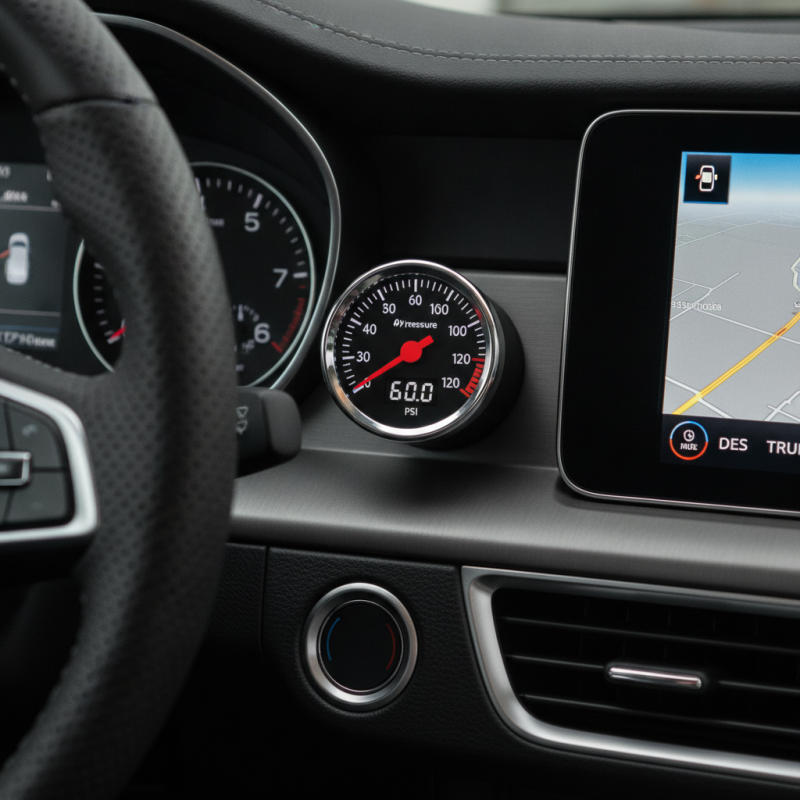
How to Choose the Right Oil Pressure Gauge for Your Vehicle?
Choosing the right Oil Pressure Gauge for your vehicle is crucial for optimal engine performance. An accurate gauge offers vital insights into your engine's health. Monitoring oil pressure effectively can prevent costly damage and ensure longevity.
Many vehicle owners overlook this essential tool. They may not understand its importance. However, a reliable Oil Pressure Gauge can enhance your driving experience significantly. It indicates oil flow and pressure, which directly affects engine efficiency.
When selecting an Oil Pressure Gauge, consider factors like accuracy, type, and installation. A well-made gauge provides peace of mind. Yet, not all gauges are created equal. Some may lack proper calibration, leading to misinformation. Take time to research options thoroughly.
Understand the Importance of an Oil Pressure Gauge for Your Vehicle
An oil pressure gauge plays a crucial role in vehicle maintenance. It monitors the oil pressure, ensuring your engine receives adequate lubrication. Without proper oil pressure, engines can suffer serious damage. This tool can help prevent costly repairs that result from engine failure.
Choosing the right gauge involves understanding its features. For example, mechanical gauges typically offer quicker readings than electronic ones. However, mechanical gauges may have installation complexities. An experienced mechanic can help with these details, ensuring optimal performance.
Regular monitoring is essential. An abnormal reading may indicate a failing oil pump or a leak. Pay attention to fluctuations in pressure. These can signal bigger issues. Remember, neglecting your oil pressure can lead to headaches and expenses down the line. Maintaining awareness of your vehicle's oil pressure can save time and money.
Identify Different Types of Oil Pressure Gauges Available on the Market
When selecting an oil pressure gauge, understanding the different types available is crucial. There are mechanical and electronic gauges, each offering unique benefits and challenges. Mechanical gauges use a direct link to measure oil pressure. They often provide quick readings, but can be prone to inaccuracies over time. Electronic gauges, on the other hand, rely on sensors and can enhance precision. However, they may cost more.
Consider the fitment and mounting options for your gauge. Some gauges can be easily installed, while others may require professional assistance. It's essential to think about the gauge's size and its visibility in your vehicle. Clarity is key; you want to see the readings without strain while driving.
Tips: Always check your vehicle's manual for compatibility. Not all gauges will work seamlessly with every vehicle. Additionally, consider your driving habits. If you often push your vehicle to the limits, an accurate reading becomes even more essential. Choose a gauge that aligns with your needs, whether for casual driving or heavy usage.
Assess Key Features to Look for in an Oil Pressure Gauge
When selecting an oil pressure gauge, certain key features significantly impact performance and reliability. Accuracy is paramount. A reliable gauge should provide precise readings, ideally within ±1 PSI. A study by automotive analytics firm shows that discrepancies in oil pressure readings can lead to engine wear or failure over time. Therefore, choosing a gauge with a robust calibration process is essential.
Consider the gauge type: mechanical vs. electronic. Mechanical gauges offer simplicity, while electronic ones provide enhanced accuracy and response times. Both types can fluctuate based on various factors, such as temperature and engine speed. A well-designed gauge should minimize these fluctuations. Look for models that incorporate dampening mechanisms. This feature assures stability in readings, helping to avoid potential misinterpretations during critical driving conditions.
Another critical aspect is the gauge's range. An ideal gauge should have an appropriate PSI range suitable for your vehicle's engine specifications. Many experts recommend selecting a gauge that exceeds your engine's maximum oil pressure by at least 20%. Additionally, consider mounting options and visibility. Poor placement can lead to overlooked alerts. The design should facilitate easy reading, even under direct sunlight. Recognizing these factors is crucial for maintaining your vehicle's health.
How to Choose the Right Oil Pressure Gauge for Your Vehicle? - Assess Key Features to Look for in an Oil Pressure Gauge
| Feature | Description | Importance |
| Measurement Type | Mechanical vs. Electrical | Determines the gauge's accuracy and response time |
| Display Type | Analog vs. Digital | Affects readability and ease of use |
| Range | Minimum to Maximum PSI | Ensures suitable measurements for your engine's specifications |
| Size | Gauge Diameter | Important for fitting in your dashboard or panel |
| Lighted Features | Backlighting Options | Enhances visibility during night driving |
| Calibration | Factory Calibration vs. User Adjustable | Ensures accuracy of the readings |
| Installation | Ease of Installation | Reduces time and cost to set up |
Evaluate Compatibility with Your Vehicle’s Engine and Specifications
Choosing the right oil pressure gauge begins with understanding your vehicle's engine specifications. Each engine has unique requirements for oil pressure. This affects the type and range of the gauge you should be considering. For instance, a high-performance engine might need a gauge that reads a wider range of pressures compared to a standard engine.
Compatibility is key. Check your engine manual for the recommended oil pressure specifications. Most of the time, the manufacturer provides specific details. Not all gauges will accurately reflect these readings. A mismatch can lead to confusion and potentially harm your engine. Consider factors like sensor type, electrical compatibility, or mechanical fittings.
It's essential to reflect on your vehicle's needs. Choose a gauge that aligns with those needs. Sometimes, we pick gauges based on aesthetics rather than functionality. This can lead to inaccuracies and frustrations. Take your time to research and evaluate your choices thoroughly. An informed decision will always benefit your vehicle in the long run.
Consider Installation Process and Maintenance of the Oil Pressure Gauge
When choosing an oil pressure gauge, considering the installation process is vital. A straightforward installation can save time and reduce frustration. Look for gauges that provide clear instructions. Some models come with comprehensive installation kits, which can be helpful. However, even a well-instructed installation can sometimes lead to mismatched fittings. Always double-check compatibility with your vehicle.
Maintenance is equally important once your gauge is installed. Regular checks will help you catch any potential issues early. It’s prudent to inspect the gauge’s readings periodically. Inaccurate readings could signal underlying engine problems. Don’t ignore fluctuating pressure levels. They might indicate a need for immediate attention.
Here are some tips for maintaining your oil pressure gauge: Clean the gauge face regularly to enhance readability. Ensure all connections remain tight, as loose fittings can lead to erroneous readings. Replace any worn-out or damaged components promptly. Keeping an eye on these details can prolong the lifespan of your gauge.
Oil Pressure Gauge Installation Process and Maintenance Overview