How to Choose the Right Electrical Rack for Your Business?
Choosing the right electrical rack for your business is a crucial decision. An electrical rack serves as the backbone of any modern operation, housing essential equipment. The selection process can be overwhelming. Various factors influence your choice, including the size, load capacity, and material of the rack.
Understanding your specific needs is key. For instance, consider the type of equipment you plan to store. Do you need ventilation? Will your equipment generate heat? The answers will guide your selection. Additionally, it's important to think about future expansions. A rack that meets today's needs might fall short tomorrow.
Consulting with experts can enhance your decision-making. Their experience can provide valuable insights tailored to your industry. However, it's also vital to reflect on potential pitfalls. Cost should not be the only consideration. Quality and durability often matter more in the long run. An electrical rack that is not right can lead to inefficiencies and safety risks. Therefore, balancing different aspects is essential for a wise investment.
Understanding the Importance of Electrical Racks in Business Operations
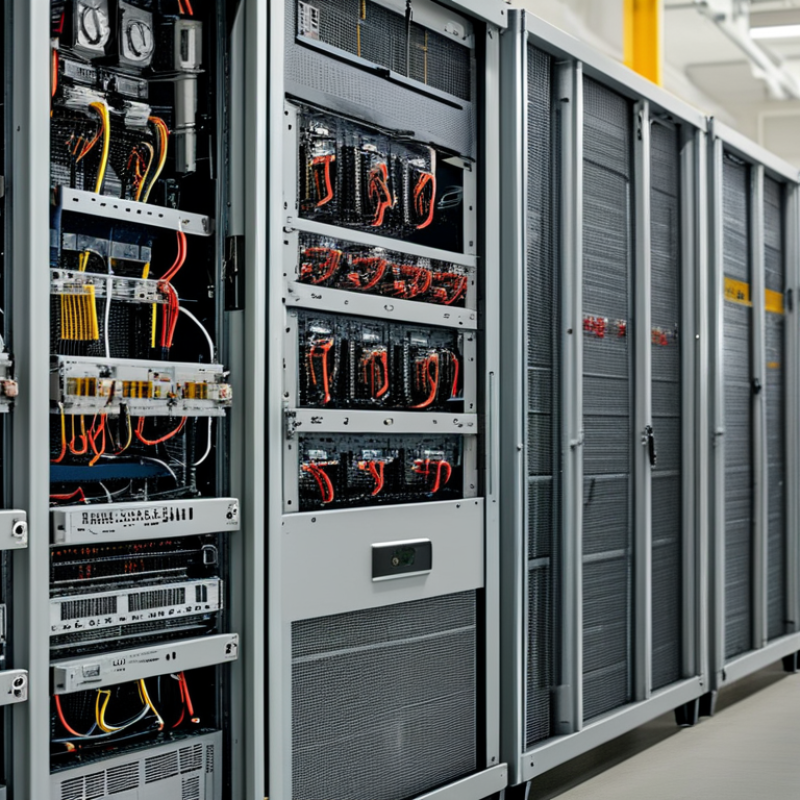
Electrical racks play a crucial role in business operations. They provide a structured way to organize and house essential electrical equipment. These systems ensure safety, prevent clutter, and enhance efficiency. In environments where space is limited, the right rack can optimize layout and workflow. A well-chosen electrical rack can reduce potential hazards. An improper choice, however, can lead to operational disruptions and safety issues.
Understanding your specific needs is vital. For instance, consider the weight and dimensions of your equipment. Some businesses may require additional airflow for cooling. Witnessing a common error, many overlook the importance of proper weight distribution. This can lead to rack failure and costly downtime. Attention to detail ensures long-term reliability.
The decision-making process can be daunting. Consulting with professionals can provide the necessary insight. Often, challenges arise from a lack of experience or knowledge. Engaging experts can help clarify requirements. It can also save time and resources in the long run. Remember, not all racks are created equal; finding the right fit demands careful consideration.
Distribution of Electrical Rack Types Used in Businesses
Identifying Your Business Needs and Space Requirements
Choosing the right electrical rack involves understanding your specific business needs and spatial constraints. Consider the equipment you plan to store. Is it bulkier or more compact? For instance, large servers might need a deeper rack.
Tip: Measure your equipment's dimensions before making any purchases. This ensures you invest in a rack that accommodates your needs. Also, evaluate future growth. Will your business expand? If yes, opt for a scalable design to avoid extra costs later.
Space is also a crucial factor. Examine your facility's layout. Are there any obstacles? A congested area may require narrower racks.
Tip: Create a layout drawing. This visual guide can help you understand how to utilize your space efficiently. Remember the environment. Humidity or dust can affect electrical equipment, so consider a rack that provides adequate ventilation.
Finding the perfect electrical rack is not always straightforward. A mismatch in size or type can lead to inefficiencies. Always be ready to reassess your choices as your business evolves.
Evaluating Different Types of Electrical Racks Available
When selecting electrical racks, it's crucial to evaluate the different types available. There are wall-mounted racks, floor racks, and open frame racks, each serving specific needs. Wall-mounted racks save space, ideal for small businesses. Floor racks, on the other hand, offer more storage and equipment flexibility. Open frame racks provide airflow, reducing overheating risks for equipment.
Considering your environment is essential. A data center might require heavy-duty racks to support server loads. In contrast, an office setting may only need lighter racks for network equipment. Think about the weight of your equipment and how much room is available. The choice should also reflect your future needs. What if you expand? You might want racks that can easily accommodate new equipment.
It's important to do thorough research. Not every rack suits every setup. Sometimes, a cheap option can lead to more costs down the line. Pay attention to build quality and materials. Racks must withstand the daily wear and tear of a busy environment. Consider these factors carefully before making a decision.
Key Features to Consider When Selecting an Electrical Rack
When selecting the right electrical rack for your business, consider several key features.
Load capacity is pivotal. Determine the weight of the equipment you plan to mount. According to industry reports, the average load for commercial racks can vary significantly. Many racks handle between 800 to 2,500 pounds. If your equipment exceeds this, seek specialized solutions.
Ventilation is another crucial factor. Proper airflow extends the lifespan of your equipment. Data indicates that overheating can reduce hardware lifespan by up to 60%. Look for racks with built-in cooling systems or sufficient space for fans. It's essential to avoid overcrowding cables, which can obstruct air flow.
Height and depth also matter. A rack that’s too shallow may compromise stability, while excessive height can lead to accessibility issues. The right dimensions support efficient organization. Finally, think about scalability. Your business might grow, and the rack should adapt to future needs. Flexibility can prevent costly upgrades later. Take the time to evaluate these aspects carefully; mistakes can be expensive.
Budgeting and Cost Considerations for Electrical Rack Purchases
When budgeting for electrical racks, it is crucial to assess your needs carefully. Consider the size and specifications of the equipment you plan to store. A proper fit can save costs in the long run. Evaluate the rack's weight capacity and dimensions. These factors influence not only the purchase price but also ongoing operational efficiency.
Tips: Always get multiple quotes. This helps you find the best deal. Check if the cost includes delivery or setup. Hidden fees can quickly add up, impacting your budget. Invest in quality. Sometimes lower-priced items require more maintenance, leading to higher long-term costs.
Don't forget about scalability. As your business grows, your electrical needs may change. Choose a rack that allows for expansion without requiring a complete replacement. Reassess your requirements regularly. Your initial choice might not stay relevant over time. A strategic approach can lead to cost savings and improved equipment management.