How to Choose the Right Showcase Lighting Driver for Your Needs?
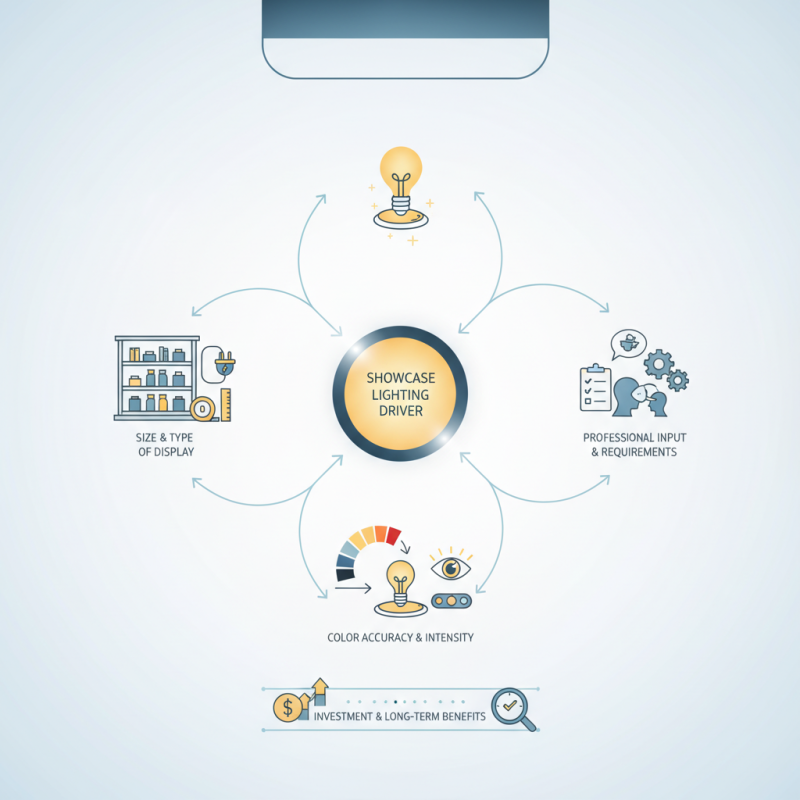
Choosing the right Showcase Lighting Driver can significantly affect how products are displayed. An effective driver maintains color accuracy and intensity. It is crucial for creating an inviting atmosphere.
When exploring options, consider the size and type of your display. Different drivers cater to various lighting needs. Some might not provide adequate power for larger setups. It’s essential to know your display's specifications. This can prevent potential frustrations down the line.
Additionally, not all drivers are equal. Professional input may help in navigating the complexities. Some drivers may have features that are unnecessary for your needs. Reflecting on your requirements can lead to better choices. Investing time in understanding these products pays off. A well-chosen Showcase Lighting Driver enhances the visual appeal of displayed items.
Understanding Different Types of Showcase Lighting Drivers
Choosing the right showcase lighting driver can significantly influence the presentation of your items. Different types of lighting drivers cater to various needs. Understanding these options is key to enhancing your showcase aesthetics.
LED drivers are popular because they provide energy efficiency and longevity. They come in constant current and constant voltage types. Constant current drivers are best for LED strips, ensuring consistent brightness. On the other hand, constant voltage drivers work well with a wider range of LED fixtures. Make sure to check the compatibility before purchasing.
Tips: Consider the environment of your showcase. If the display is in a museum, a dimmable driver can add flexibility. For retail spaces, a robust driver with high power output may be necessary. Always assess the power requirements of your lighting setup.
Fluorescent drivers serve a different purpose. They are used for traditional fluorescent lights. This type usually requires a ballast. The right ballast will ensure a longer lifespan for the bulbs. Reflect on the overall aesthetics and energy efficiency when choosing your driver type.
Key Factors to Consider When Choosing a Lighting Driver
When selecting a showcase lighting driver, several critical factors come into play. The power output is one of the most vital aspects. According to a report by the Lighting Research Center, mismatched power levels can lead to reduced performance or even damage to your lighting fixtures. A driver must supply sufficient wattage to meet the demands of the connected lights while maintaining energy efficiency.
Another key consideration is the type of dimming control. Recent data from the Illuminating Engineering Society highlights that around 60% of consumers prefer adjustable lighting options. Compatible dimming drivers can enhance the versatility of your setup. Choosing the right dimming method—whether it be 0-10V, phase-cut, or digital—can significantly affect both user experience and energy consumption.
The construction quality of the driver also deserves attention. A study by the International Energy Agency indicates that durable components can prolong the lifespan of lighting systems. Drivers with proper thermal management features tend to perform better and reduce the risk of overheating. These factors, paired with energy efficiency ratings, will help ensure that your lighting meets both performance and sustainability standards. Assessing these elements carefully is essential for making an informed decision.
Evaluating Power Requirements for Your Showcase Lighting
When selecting showcase lighting, understanding power requirements is essential. The right driver ensures optimal performance. Reports indicate that properly sized drivers can improve energy efficiency by up to 30%. A mismatch between the driver and lighting can lead to dimness or flickering. This affects the display's attractiveness and may reduce customer engagement.
Consider the wattage needed for your specific setup. Each fixture has a different requirement. For instance, LED fixtures often need lower wattage compared to traditional bulbs. According to industry data, an underpowered driver may cause damage to fixtures over time. It’s crucial to calculate the total wattage needed for all fixtures and ensure the driver can handle this load.
Finally, think about the environment. Showcase lighting in high-traffic areas may experience greater wear and tear. In these areas, drivers with advanced thermal management are beneficial. Industry suggestions recommend periodic assessments and replacements to maintain functionality. An awareness of these factors leads to better choices and enhances the lighting display.
Power Requirements for Showcase Lighting Drivers
This bar chart illustrates the distribution of showcase lighting drivers based on their power requirements. It highlights the prevalence of different power ranges, helping users choose the right driver for their needs.
Assessing Compatibility with Existing Lighting Systems
When assessing compatibility with existing lighting systems, several factors must be considered. Firstly, check the voltage and wattage requirements of your current setup. Mismatched specifications can lead to inefficiency or even damage. It’s vital to ensure that the driver can handle the current load without overheating.
Additionally, consider the dimming capabilities of your lighting driver. Different systems use various dimming types, like TRIAC or 0-10V. An incompatible driver can lead to flickering or inconsistent brightness. Take the time to review your fixtures’ specifications and consult with a lighting expert if needed.
Lastly, reflect on the aesthetic goals for your lighting. Choosing a driver that complements your existing systems can enhance the visual appeal. A poorly matched driver may dilute the desired effect or create a disjointed appearance. Balancing functionality and design is key to creating an effective lighting solution.
How to Choose the Right Showcase Lighting Driver for Your Needs? - Assessing Compatibility with Existing Lighting Systems
| Driver Type | Input Voltage (V) | Output Current (mA) | Dimming Capability | Compatibility |
| Constant Voltage | 100-240 | 500 | No | LED, Incandescent |
| Constant Current | 120 | 700 | Yes | LED only |
| Triac Dimming | 100-120 | 600 | Yes | LED, Halogen |
| 0-10V Dimming | 120 | 800 | Yes | LED, Fluorescent |
| Phase Cut Dimming | 220-240 | 500 | Yes | LED, Incandescent |
Exploring Features and Benefits of Advanced Lighting Drivers
When selecting showcase lighting drivers, understanding advanced features is crucial. Advanced drivers provide numerous benefits that can enhance the overall lighting experience. For instance, many drivers now include dimming capabilities, allowing flexibility in brightness. This feature is essential for creating various atmospheres, from soft, warm glows to bright, clear displays.
Additionally, the efficiency of modern lighting drivers cannot be overlooked. They frequently incorporate energy-saving technology, leading to lower electricity costs. Improved thermal management ensures that the lighting systems run cooler, enhancing longevity and reliability. Such drivers also support various control options, including remote or smart system integration. This gives users greater control over their display environments.
However, despite these benefits, not all advanced features are necessary for every application. Some users may find certain functions overly complex. It’s important to consider your specific needs when choosing a driver. A well-informed decision involves reflecting on how each feature aligns with your requirements. Balancing complexity with usability can often lead to the most satisfactory results.