What Is a Fiber Disc Used For?
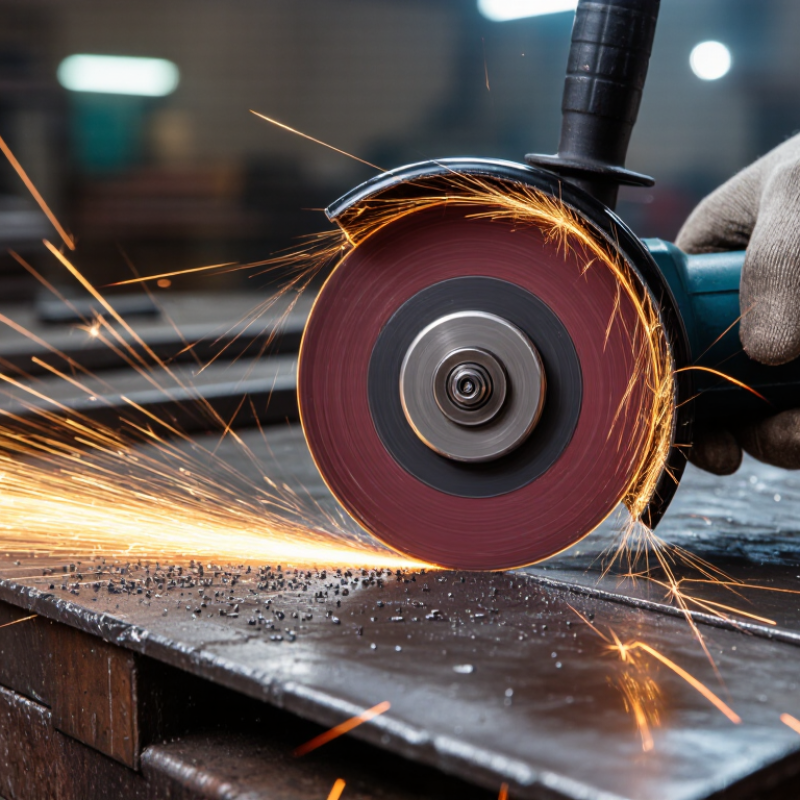
A Fiber Disc is an abrasive tool fitted to a compatible angle grinder for removing material from metal and other suitable surfaces. In fabrication shops, it can strip weld discoloration, smooth edges, remove rust, and prepare steel before coating. On a workbench, the difference is tangible: a rough weld bead becomes flatter, while a sharp edge feels more even. The disc’s abrasive grain cuts as the operator guides the grinder across the surface.
Market data shows why abrasive tools matter across manufacturing and maintenance. Grand View Research estimated the global abrasives market at USD 46.6 billion in 2023 and projected continued growth through 2030. That figure covers abrasives broadly, not fiber discs alone, so it should not be read as a measure of fiber-disc demand. Still, it reflects the wider need for controlled material removal in industrial work.
The right disc depends on the task. Grit, abrasive type, backing, grinder compatibility, and the manufacturer’s speed rating all affect performance. Coarser grains generally remove material faster, while finer grains can leave a smoother finish. Not every surface needs aggressive cutting. That is easy to overlook. Operators should follow the tool and disc instructions and use suitable protective equipment. A fiber disc can also wear unevenly when pressure or angle changes, so results depend on technique as well as the product. This guide explains what fiber discs are used for, where they fit, and what to consider before choosing one.
What a Fiber Disc Is
A fiber disc is a flat abrasive disc built from bonded abrasive grains on a stiff, vulcanized-fiber backing. It is fitted to an angle grinder with a compatible backing pad, then used to remove material from metal. Common jobs include smoothing welds, stripping rust, and blending rough edges. It is not just a sanding pad: its firm backing helps it stay stable under pressure, though excess pressure can cause heat, gouging, or rapid wear.
Grit size shapes the result. Coarser grains remove stock faster, while finer grains leave a smoother surface; ISO 6344 provides standardized methods for classifying abrasive grain sizes. The right choice still depends on the metal, disc condition, and grinder speed. One detail is easy to overlook: a worn disc may cut unevenly. The U.S. Bureau of Labor Statistics recorded 5,283 fatal work injuries across all industries in 2023, in its Census of Fatal Occupational Injuries. That figure is not specific to grinding, but it reinforces the value of sound work practices. Check the disc’s speed rating, use the correct backing pad, and wear eye and face protection. Safety is practical, not decorative.
How a Fiber Disc Works
A fiber disc is an abrasive wheel used on an angle grinder to remove material from metal, wood, or some composites. It has abrasive grains bonded to a tough, flexible fiber backing. When the grinder spins, the grains cut tiny fragments from the surface. The backing helps the disc stay stable under pressure, while its flexibility lets it follow slight curves. It works best with a compatible backing pad.
The operator holds the disc at a shallow angle and moves it steadily across the workpiece. On a steel weld, coarse grit can knock down the raised bead; finer grit can reduce scratches before finishing. Keep the disc moving. Staying in one spot can create heat, discolor metal, or wear the abrasive unevenly.
The right grit, speed, and pressure depend on the material and the finish needed. In practice, pressure is easy to misjudge: pushing harder may feel faster, but it can shorten disc life and leave gouges.
Check the disc for damage, secure the workpiece, and wear eye and respiratory protection.
Common Uses of Fiber Discs
Fiber discs are used on angle grinders for fast sanding and controlled stock removal. In metal fabrication, common jobs include smoothing welds, removing rust, blending edges, and cleaning scale before coating. A coarse disc can level a raised weld bead; a finer one can soften visible scratches. They are also used on wood and some composites, provided the abrasive and operating speed suit the material.
The demand for metal finishing is easy to understand at scale. World Steel Association’s World Steel in Figures 2024 reports 1,888.2 million tonnes of crude steel production worldwide in 2023. The International Stainless Steel Forum’s Stainless Steel in Figures 2024 reports 58.4 million tonnes of stainless steel production that year. These figures do not measure abrasive use, but they show the size of the materials industries where disc finishing is common.
That is a lot of metal.
For a practical example, a fabricator might use a fiber disc to blend a weld on a steel bracket, then change to a finer grit before painting. Use a compatible backing pad, keep the disc flat, and avoid lingering on one spot; excess pressure can create heat and deep gouges. Not every job. Stainless steel may need dedicated abrasives to reduce cross-contamination from other metals. Grit choice also depends on the finish required, so a small test area is often sensible.
One caveat matters: fiber discs remove material quickly, but they can leave marks that still need refining.
How to Choose a Fiber Disc
A fiber disc is a resin-bonded abrasive disc used with a backing pad on an angle grinder. It removes weld seams, rust, and old coatings, and can smooth a metal edge before finishing. Choosing the right disc matters: an aggressive grain can remove material quickly but may leave deep scratches or heat-sensitive steel discolored.
Start with the workpiece and the amount of stock to remove. Coarse grits, such as P36 or P60, suit heavy grinding; finer grades are better for blending and surface preparation. ISO 6344-2:2021 specifies grain-size distributions for coated abrasives: its P-grade data places P80 near a median grain size of 201 micrometers and P120 near 125 micrometers. That difference is easy to feel on a test piece. Still, grit alone does not predict finish; pressure, grinder speed, and backing-pad firmness matter too.
Check that the disc diameter, center hole, and backing pad match your grinder, and never exceed the disc’s marked maximum speed. For stainless steel, choose a disc labeled suitable for that material to reduce contamination risk. Make a few light passes first. If the surface develops blue heat marks, ease pressure or use a finer disc. It is not always obvious at first. Inspect the work under good light before moving to the next grit.
Safe Use and Care of Fiber Discs
A fiber disc is only as safe as the setup around it. Before fitting one, check for tears, a worn center hole, or a warped surface. Even a small defect can cause vibration at speed. Match the disc size and rated speed to the grinder, and use the correct backing pad. Keep the guard in place. Wear eye and hearing protection, gloves suited to the task, and a dust mask when the material calls for one. Secure the workpiece so it cannot shift under pressure.
Let the abrasive do the work. Pressing hard can overheat the disc and make control difficult. Use the angle and technique specified by the disc maker, and keep sparks away from people and flammable materials. Stop if the tool vibrates, sounds unusual, or leaves uneven marks. Do not keep using a disc just because it still looks usable; damage can be hard to spot. It is easy to assume storage does not matter. It does. Keep discs dry, flat, and away from heat, oils, and sharp edges. Check them again before the next job.
What Is a Fiber Disc Used For? - Safe Use and Care of Fiber Discs
| Topic | What It Is Used For | Safe Use and Care |
| General material removal | Removing material from metal surfaces with a suitable angle grinder and backing pad. | Use a disc and backing pad that are compatible with each other and with the grinder. Follow the disc maker’s instructions. |
| Weld and surface cleanup | Grinding down welds, removing surface scale, or preparing metal before finishing. | Keep the workpiece securely clamped and guide the grinder steadily. Avoid excessive pressure, which can overheat the work or wear the disc quickly. |
| Rust and coating removal | Removing rust, paint, or other coatings when the disc is rated for the material and task. | Check what the coating contains and use suitable dust controls and respiratory protection. Do not grind coatings that may contain hazardous substances without proper assessment. |
| Choosing a disc | Selecting an abrasive type and grit suited to the material and the amount of stock to remove. | Coarser grits generally remove material faster; finer grits are commonly used for a smoother finish. Confirm the disc’s material rating, size, and maximum speed before use. |
| Pre-use inspection | Checking that the disc is fit to use before mounting it on the grinder. | Do not use discs that are cracked, torn, warped, excessively worn, or otherwise damaged. Make sure the disc is mounted correctly and the guard is in place. |
| Operating safely | Using the grinder for the task and in the manner specified by the equipment and disc instructions. | Wear safety glasses or a face shield, hearing protection, and other task-appropriate PPE. Keep people clear of sparks and debris, and let the grinder reach operating speed before contacting the work. |
| Storage and replacement | Keeping discs in usable condition and replacing them when worn or damaged. | Store discs flat in a clean, dry place away from heat, moisture, and impact. Replace a disc if it is damaged, performs poorly, or reaches the wear limit stated by its manufacturer. |