What are Galvanized Nails and How are They Used?
Galvanized nails are a popular choice in construction and woodworking. These nails are coated with zinc to prevent rusting. This protective layer extends their lifespan, making them ideal for outdoor projects. Galvanized nails come in various sizes, allowing for versatility in use. They can be used in framing, roofing, and even fence building.
However, there are a few considerations when using these nails. For instance, certain types of galvanized nails can be prone to corrosion in specific environments. It’s essential to choose the right products for each project. Additionally, while they offer durability, improper installation can lead to issues down the line.
Understanding how and where to use galvanized nails can greatly impact the success of your projects. Their benefits are clear, but it's critical to remain aware of their limitations. Balancing the advantages of galvanized nails with proper application methods is key to achieving lasting results.
Definition and Composition of Galvanized Nails
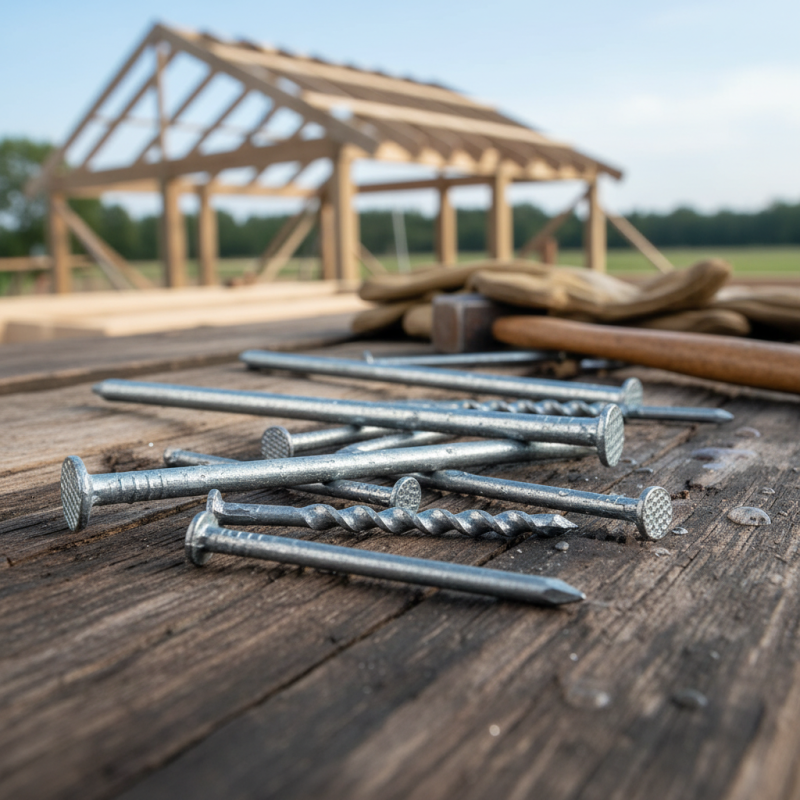
Galvanized nails are fasteners coated with a layer of zinc. This coating helps to prevent rust and corrosion. The process of galvanization involves dipping the nails in molten zinc. This creates a strong barrier against moisture. As a result, they are ideal for outdoor projects. Many people consider using galvanized nails for their longevity.
The composition of galvanized nails primarily includes steel and zinc. The steel provides strength and stability. Zinc’s role is essential in protecting the steel. However, the thickness of the zinc layer can vary. Thinner coatings may not last as long in harsh environments. Over time, some galvanized nails may lose their protective layer. This raises questions about their reliability in extreme conditions.
Understanding the properties of galvanized nails is crucial for effective use. Their corrosion resistance is beneficial for roofing, fencing, and decking. However, there are instances where they may not perform as expected. In some cases, the nails can rust if the coating is damaged. Users should consider these factors when selecting fasteners for specific projects.
Applications of Galvanized Nails in Construction and Repair
Galvanized nails are coated with zinc to prevent rust. They are essential for outdoor projects. Their durability makes them ideal for building structures exposed to moisture. These nails resist corrosion, which increases the lifespan of construction.
In terms of applications, they are widely used in roofing. Homeowners often use them to secure shingles. Galvanized nails are also common in framing and decking. Builders appreciate their strength when constructing sturdy frameworks. In addition to new builds, they are useful for repairs, particularly in wooden decks and fences.
However, one must consider the environment when using galvanized nails. The coating can affect some materials. For instance, using them with certain metals may lead to chemical reactions. It's important to choose the right type for each task. Testing in small areas is advisable. This can help avoid unexpected issues down the line.
Advantages of Using Galvanized Nails Over Other Types
Galvanized nails are a popular choice in construction. They are coated with zinc to prevent rust. This simple process greatly enhances their durability. In humid conditions, these nails last longer than uncoated ones. They resist corrosion from moisture and can handle outdoor projects well.
One major advantage is their strength. Galvanized nails can withstand heavy loads. This makes them ideal for framing and roofing. Additionally, they are less prone to bending, ensuring secure attachments. Homeowners and builders appreciate their reliability. However, they are not suitable for all applications. In some cases, the coating might interfere with certain finishes or adhesives.
Cost is another factor to consider. Galvanized nails tend to be slightly more expensive than plain nails. Yet, their longevity often justifies the price. Investing in quality fasteners can save time and resources. Overall, galvanized nails offer a practical solution for many construction needs. They provide a blend of strength, durability, and value.
Installation Techniques and Best Practices for Galvanized Nails
Galvanized nails are essential for various construction and repair projects. Their coating provides resistance against rust and corrosion. This feature significantly extends their lifespan, especially in outdoor applications. Proper installation techniques are vital to maximize their benefits.
When using galvanized nails, ensure the correct size for your material. For instance, 16d nails are standard for framing. Drive the nail at a 45-degree angle for better holding power. Avoid overdriving; this can damage the coating. Research shows that improperly installed nails may reduce their lifespan by up to 30%.
To avoid issues, pre-drilling is often recommended. This technique prevents splitting, especially in hardwoods. Be mindful of the nail’s placement. It should ideally be 1 inch from the edge of the wood. Oversight in this aspect can lead to structural weakness. Keeping these best practices in mind allows for effective use of galvanized nails in any project.
Usage of Galvanized Nails by Application Type
Maintenance and Longevity of Galvanized Nails in Various Environments
Galvanized nails are known for their resistance to rust and corrosion. They are coated with a layer of zinc, which protects the steel underneath. This coating enhances their longevity, especially in moisture-prone environments. According to a study by the American Galvanizers Association, galvanized nails can last up to 50 years in some applications, particularly in outdoor settings. However, the environment plays a crucial role in their lifespan.
In coastal areas, the high salt content in the air can shorten the life of galvanized nails. Salt accelerates corrosion, diminishing their effectiveness. A report from the National Association of Home Builders suggests that in marine environments, the lifespan can drop to about 10-15 years. Furthermore, frequent temperature fluctuations can also affect their integrity. Despite their robust nature, galvanized nails may require regular inspections in harsh climates.
Maintenance is key to maximizing the lifespan of these nails. While they are generally low-maintenance, homeowners should monitor for signs of wear. Rust spots can be an early warning. In addition, proper installation is critical. Misaligned nails can lead to premature failure. Awareness of these factors is essential to ensure the durability of galvanized nails in various environments.