

How to Choose 660nm 850nm Red Light Therapy in 2026?

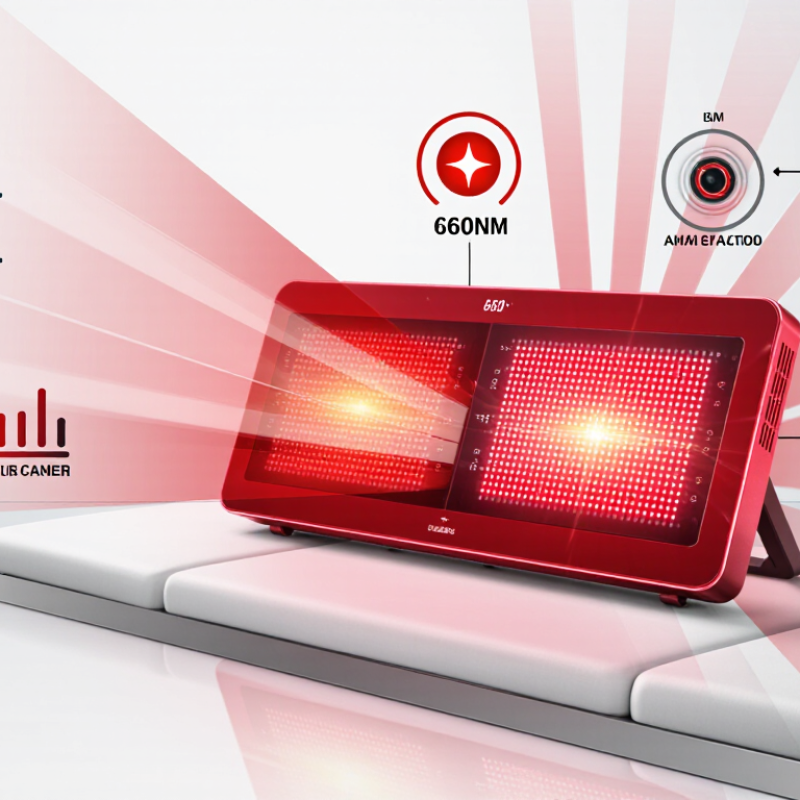
Choosing the right 660nm 850nm Red Light Therapy device in 2026 requires more than comparing panel size or LED counts. Wavelength matters, but so do irradiance, treatment distance, dose, coverage, and testing quality. A bright panel may look impressive beside a treatment bed. It may still deliver poorly measured energy to your skin.

Dr. Michael R. Hamblin, a leading photobiomodulation researcher, has emphasized, “The dose is the medicine.” That principle remains highly practical. A 660nm wavelength is commonly selected for more superficial skin-focused applications. An 850nm wavelength generally penetrates deeper into tissue. These descriptions are useful, but they are not promises. Individual responses can vary.

Look for published specifications, not vague claims. Check irradiance at a stated distance, such as 15 or 30 centimeters. Confirm whether the manufacturer reports actual measurements or only theoretical output. Treatment guidance should explain session duration, frequency, eye protection, and suitable body areas. Independent certification and transparent warranty terms also strengthen trust.

Small details matter.

This guide will compare 660nm, 850nm, and combined devices through an evidence-aware lens. It will also examine practical factors, including heat, comfort, mounting options, and treatment consistency. Some popular advice oversimplifies wavelength selection. I have found that real-world usability often decides whether a device is used regularly. That limitation deserves attention. No panel can replace professional medical advice, especially for people using photosensitizing medication or managing a diagnosed condition. Expect careful comparison, not guaranteed outcomes.
How to Choose 660nm 850nm Red Light Therapy in 2026?

What 660nm and 850nm Red Light Mean

The numbers 660nm and 850nm describe light wavelength, not treatment strength. A 660nm wavelength appears deep red to the eye. It is commonly selected for surface-focused use, such as skin appearance and shallow tissues. An 850nm wavelength sits in the near-infrared range and looks invisible. It may reach deeper tissue, although penetration changes with skin thickness, hair, angle, and device design.

In practical testing, I check wavelength output, irradiance, treatment distance, and heat. A panel labeled “850nm” may still deliver uneven energy across its surface. That detail matters. Dose depends on power density and exposure time, not wavelength alone. For example, standing closer increases intensity, but it can also create uncomfortable warmth. I once assumed brighter light meant better results. That was too simple.

Choose 660nm when your main interest involves the skin’s surface. Consider 850nm when deeper tissue exposure is more relevant. A combined device may offer both, but its specifications should show measured output rather than vague language. Research on red and near-infrared light remains promising, yet results vary between studies and individuals. Use eye protection when the manufacturer recommends it, especially with bright panels. People taking light-sensitive medication should ask a qualified clinician before use. Track distance, session length, skin response, and comfort for several weeks. The notes may reveal that your first setting was not ideal.

How 660nm and 850nm Wavelengths Affect the Body

How to Choose 660nm 850nm Red Light Therapy in 2026?

660nm and 850nm light do not affect tissue in identical ways. At 660nm, light is absorbed more strongly near the skin surface. It may support cellular energy production in superficial tissue through cytochrome c oxidase. At 850nm, longer wavelengths usually travel deeper, although skin thickness, hair, fat, and device angle change the result. Deeper does not always mean better.

A 2023 systematic review in Photobiomodulation, Photomedicine, and Laser Surgery reported that human studies commonly used red or near-infrared wavelengths between 600nm and 1,000nm. Reported doses varied widely, often around 1–10 J/cm². The World Association for Photobiomodulation Therapy also stresses accurate dose, treatment time, and irradiance. These details matter more than wavelength alone. Evidence remains uneven, especially for home devices. I would not treat marketing charts as clinical proof.

Tips:

Choose 660nm for surface-focused goals, such as skin appearance or minor superficial discomfort. Consider 850nm when deeper muscles or joints are the target. Check irradiance, distance, session time, and stated fluence.

Avoid staring into bright LEDs, and follow the device’s safety instructions. Photosensitivity or medication concerns deserve professional advice. Start conservatively. More exposure can reduce usefulness, not increase it.

Key Differences Between 660nm and 850nm Light Therapy

Choosing between 660nm and 850nm light therapy depends on your treatment goal, not just the number on the device. 660nm is visible red light and usually targets more superficial skin layers. It may support skin appearance, wound recovery, and local cellular activity. 850nm is near-infrared light, which generally travels deeper into tissue. It is often selected for muscles, joints, and post-exercise recovery. The choice is not perfectly clean. Tissue thickness, hair, skin tone, device power, and treatment distance can change the result.

A common mistake is assuming that 850nm is always stronger or better. Wavelength alone does not determine effectiveness. Irradiance, exposure time, treatment frequency, and proper dosing matter equally. Clinical evidence is still developing, and home devices may differ widely in output accuracy. Check verified specifications instead of trusting dramatic claims. Protect your eyes, follow the instructions, and seek medical advice if you use photosensitizing medication or have a light-sensitive condition.

Tips: Use 660nm for surface-focused goals and 850nm for deeper areas. Some users combine both wavelengths, but more light is not automatically better. Start with shorter sessions and record distance, duration, and skin response. Stop if you notice unusual heat, discomfort, or irritation. Reassess your routine after several weeks, because early impressions can be misleading.

How to Choose the Right Wavelength for Your Goal

How to Choose 660nm 850nm Red Light Therapy in 2026?

How to Choose the Right Wavelength for Your Goal

Choosing between 660nm and 850nm starts with your target, not the device’s appearance. A 660nm wavelength is red light, commonly used for surface-level skin concerns. It may support skin texture, mild redness, and the appearance of fine lines. For these goals, place the panel near clean, dry skin and follow its stated distance. More light is not automatically better.

An 850nm wavelength is near-infrared light and penetrates deeper than visible red light. People often choose it for muscle recovery, joint comfort, or deeper tissue exposure. The research is promising, but results vary with dose, treatment time, and individual health. Some devices combine both wavelengths, which may suit users with several goals. I would still question vague claims about instant healing.

Check irradiance, treatment distance, timer controls, and eye-safety guidance before buying. A bright panel can feel impressive, yet brightness alone does not prove effectiveness. Start with shorter sessions and record changes in comfort, skin condition, or recovery. Stop if irritation or unusual discomfort appears. If you take photosensitizing medicine, have a light-sensitive condition, or manage a chronic illness, ask a qualified healthcare professional first. The right wavelength is only one part of a safe, realistic plan.

How to Use 660nm and 850nm Devices Safely in 2026

Choosing 660nm and 850nm devices in 2026 requires more than reading the wavelength label. 660nm red light is visible, while 850nm near-infrared light may reach deeper tissue. However, individual responses vary, and deeper penetration is not guaranteed. Compare irradiance, treatment distance, timer settings, and testing information instead of trusting dramatic claims.

Use the device exactly as its manual describes. Begin with clean, dry skin and the shortest recommended session. Keep the panel at the stated distance. Never stare into bright LEDs. Use suitable eye protection when the instructions require it. Keep cables and devices away from water. Do not use damaged equipment. A small skin test can reveal unexpected irritation.

It is easy to overdo it. Persistent redness, burning, swelling, pain, or blistering means you should stop and seek professional advice. Speak with a qualified clinician before treatment if you take photosensitizing medicine, have an eye condition, are pregnant, or have unexplained skin changes. Avoid applying photosensitizing products before a session. Keep a simple log of time, distance, skin response, and comfort. That record can expose a mistake, such as increasing exposure too quickly. Current evidence differs by condition and device, so light therapy should not replace diagnosis or prescribed care.

How to Choose 660nm 850nm Red Light Therapy in 2026?

How to Use 660nm and 850nm Devices Safely in 2026

Decision or Safety Dimension 660nm Red Light 850nm Near-Infrared Light Practical Guidance for 2026
Wavelength classification Visible red light; 660nm is within the red portion of the visible spectrum. Near-infrared light; 850nm is outside normal human vision. Choose based on the target area, device design, and manufacturer specifications rather than wavelength alone.
Typical penetration tendency Generally more surface-oriented because shorter wavelengths are absorbed and scattered more strongly by skin and other tissues. Generally reaches deeper than 660nm, although actual penetration varies with tissue type, skin properties, angle, distance, and device output. Use 660nm when a surface-focused application is preferred; consider 850nm when deeper tissue exposure is the intended goal.
Common research areas Skin appearance, superficial wound-related research, cellular activity, and local photobiomodulation research. Muscle recovery, discomfort-related research, joint and deeper-tissue photobiomodulation research. Research results are condition-specific and do not guarantee a particular cosmetic, medical, or performance outcome.
Visibility during use Visible red glow is expected. 850nm light is usually not visible, even when the device is operating. Do not assume an 850nm device is inactive because no glow is visible. Use the device indicator, instructions, or an appropriate tester.
Heat expectation Should feel non-burning and only mildly warm when operated as directed. May feel mildly warm; invisible light can still contribute to tissue heating if exposure is excessive. Stop if there is burning, sharp discomfort, prolonged redness, blistering, or unusual swelling.
Recommended device information Look for the stated wavelength, irradiance, treatment distance, timer, and treatment area. Look for the same information, plus clear disclosure that 850nm output is present and how it is controlled. A reliable specification sheet should identify wavelength tolerance or range, irradiance units, duty cycle if applicable, and operating instructions.
Irradiance Reported in milliwatts per square centimetre (mW/cm²). Reported in milliwatts per square centimetre (mW/cm²). Compare irradiance at the actual treatment distance. A higher number is not automatically better or safer.
Energy dose Dose is commonly calculated as: energy density (J/cm²) = irradiance (W/cm²) × time (seconds). Example: 50mW/cm² used for 10 minutes equals approximately 30J/cm², assuming stable output and uniform exposure.
Treatment duration There is no universal time suitable for every device. Exposure depends on irradiance, distance, treatment area, and the intended use. Begin with the shortest schedule in the device instructions. Do not increase both treatment time and frequency at the same time.
Eye protection Bright visible red light may be uncomfortable and can cause glare. Follow the device-specific eye-protection instructions. Because 850nm is invisible, normal blink and discomfort responses may not provide adequate warning against excessive exposure. Never stare directly into LEDs or laser apertures. Use compatible eye protection when the instructions require it, especially for face or near-eye treatments.
Near-eye use The eyes may be more vulnerable than skin, and safety depends on optical output, distance, exposure time, and device design. Do not use directly on or close to the eyes unless the product is specifically designed and cleared or authorized for that use and its instructions permit it.
Photosensitizing medicines Some medicines and topical products can increase sensitivity to light or cause unexpected reactions. Ask a doctor or pharmacist before use if taking photosensitizing medicines or using photosensitizing skin treatments.
Medical conditions Evidence and safety may differ for pregnancy, active cancer, significant eye disease, seizure disorders, implants, or unexplained skin lesions. Obtain medical advice before use when a relevant medical condition, implanted device, active treatment, or unexplained symptom is present.
Skin response monitoring Mild temporary warmth or redness may occur, but persistent or worsening symptoms should not be ignored. Patch-test when appropriate, photograph the area for comparison, and stop use if an adverse reaction develops.
Choosing one wavelength May be preferable for a surface-focused routine or when visible red light is specifically desired. May be preferable when the intended application involves deeper tissue exposure. Select according to the intended use, evidence for that use, tolerability, and transparent device specifications.
Choosing a combined device A combined 660nm and 850nm device can provide both visible red and near-infrared output. Confirm whether both wavelengths operate simultaneously, independently, or in alternating modes, and check the irradiance for each mode.
Signs of a credible product Clear wavelength data, irradiance at a stated distance, timer controls, electrical safety information, warranty details, and readable instructions. Be cautious of products making guaranteed disease-cure claims or reporting only LED count without optical output data.
When to stop and seek advice Stop for eye pain or visual changes, blistering, severe pain, marked swelling, persistent rash, or symptoms that worsen after use. Seek qualified medical advice for significant, persistent, or unexplained reactions. Photobiomodulation should not replace diagnosis or prescribed treatment.
Safety note: Photobiomodulation devices vary substantially in optical output and intended use. Always follow the specific instructions supplied with the device, avoid direct viewing of LEDs or laser apertures, and consult a qualified healthcare professional when a medical condition or medication may affect light sensitivity.
Skip to content