10 Street Lighting Tips for Global Buyers
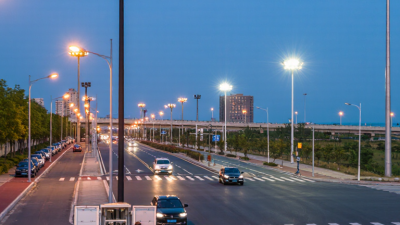
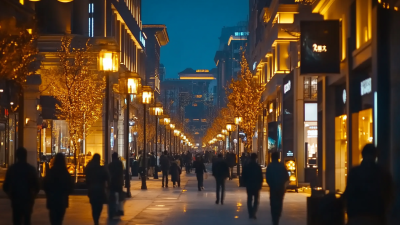
Street Lighting is more than choosing a lamp with a high lumen rating. A road, port, campus, or residential street each places different demands on a lighting system. Buyers must consider visibility, energy use, maintenance access, and the conditions local equipment will face. Salt air can corrode fittings. Dust may collect on lenses. Heavy rain can expose weaknesses in seals and drainage.
For global buyers, comparing products across suppliers takes careful questions. Check whether photometric data reflects the intended application, and ask how color temperature, glare control, and light distribution affect the site. Review the driver, housing material, surge protection, warranty terms, and replacement-part availability. These details can matter more over a project’s lifetime than a low initial price. They are easy to overlook.
Good procurement also depends on clear documentation and realistic planning. Confirm installation requirements, control-system compatibility, expected service life, and the evidence behind performance claims. Ask for relevant test reports and references for similar projects. A specification sheet helps, but it cannot show every field condition. Local expertise still matters, especially when road layouts, weather, and maintenance capacity differ.
There is no single fixture that suits every location. Even experienced teams can misjudge glare, maintenance effort, or future operating costs. That deserves a second look. The following ten tips offer a practical framework for evaluating suppliers and products, comparing trade-offs, and reducing avoidable surprises. Use them to shape better questions before selecting Street Lighting for your next project.
Define Lighting Needs and Site Conditions
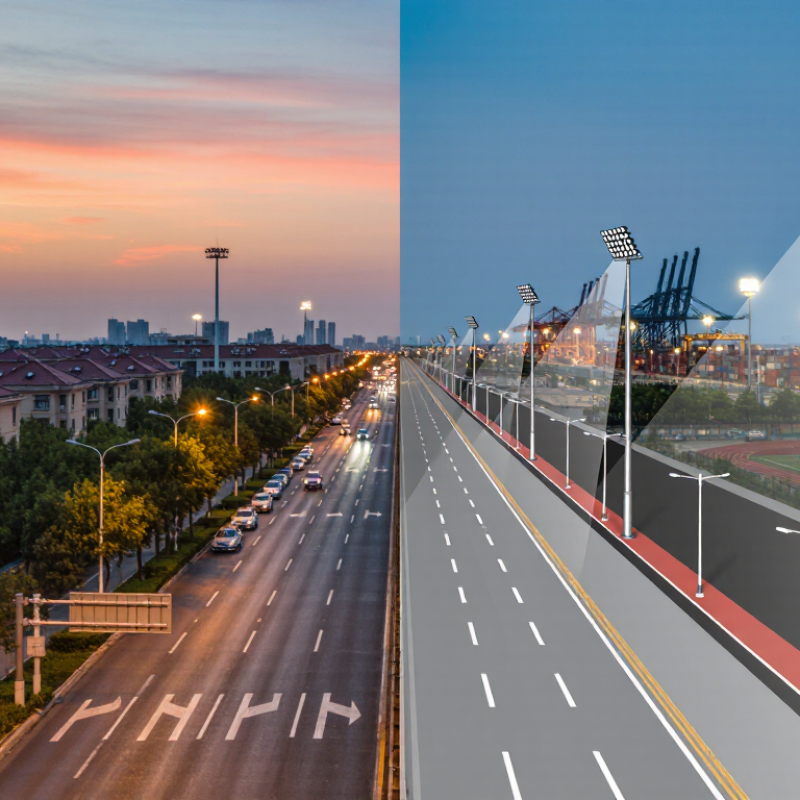
Before comparing street lights, define the job each area must perform. A residential lane, a wide arterial road, and a pedestrian crossing need different light levels and distribution. Record road width, pole height, spacing, mounting angle, and nearby building entrances. Measure existing illumination at several points, not only beneath a pole. Dark gaps matter.
Visit the site after dusk when possible. Note trees that block light, reflective signs that may cause glare, and areas where people wait or cross. Check pavement condition, traffic speed, pedestrian activity, and seasonal weather. A wet road can reflect light differently from dry pavement. Ask local operators about maintenance access and power availability. Small details count.
Turn these observations into a written lighting brief. Specify target illuminance, uniformity, glare limits, color appearance, and any dimming schedule. Confirm the measurement method and units with suppliers so proposals can be compared fairly. Site drawings help, but they can hide an overgrown canopy or a poorly placed sign. A neat plan can still be wrong. Document assumptions, then revisit them after an on-site review.
Choose Suitable Street Light Technology and Optics
Street lighting performance depends on more than fixture wattage. Match the optical distribution to road width, pole spacing, mounting height, and nearby buildings. A narrow road may need controlled forward throw, while a wide junction often needs broader coverage. Request IES or LDT photometric files and review a layout calculation before ordering. Check uniformity and glare, not just average illuminance. Small details matter.
Tips: Compare Type II, III, or IV distributions against the actual street geometry. Confirm the tilt angle and mounting height used in the calculation. A small installation trial can reveal dark patches that drawings miss.
Choose LED technology for the operating conditions, not a catalogue claim alone. Review input power, surge protection, thermal management, dimming compatibility, and expected lumen maintenance. In humid or dusty locations, verify the stated ingress protection and inspect seals and connectors. Select a suitable color temperature for the setting; cooler light is not automatically clearer. Ask suppliers for test reports and maintenance assumptions. Then check the site after dark. Real roads are messy, and a technically correct optic can still disappoint when trees, signs, or uneven spacing were overlooked.
Check Local Standards, Certifications, and Compliance
Street-lighting compliance is not one universal certificate. Requirements can change by country, city, and project type. Before requesting quotations, identify the rules that apply to the installation site. Ask the local authority or project engineer which standards and test reports they accept. Details matter. Check electrical safety, electromagnetic compatibility, ingress protection, and photometric performance where applicable. Confirm that each certificate covers the exact luminaire, driver, and configuration being offered. A document for a similar model may not be enough.
Review the label and technical file, not just a supplier’s summary sheet. Match the rated voltage and frequency to the local supply, and check that declared dimming or surge protection suits the project specification. Request reports from a competent testing laboratory, along with clear model numbers, test dates, and applicable standard editions. Keep records for customs, tender review, and future maintenance. Small paperwork gaps can delay a shipment. Even a careful checklist may miss a local amendment or a recently updated requirement, so verify details with the relevant authority before placing a large order. The extra review takes time, but it is usually easier than replacing non-compliant fittings after delivery.
Compare Suppliers, Pricing, and Total Ownership Costs
Compare supplier bids on delivered performance, not fixture price alone. Ask for independent photometric files, tested efficacy, warranty terms, spare-part availability, and replacement lead times. U.S. Department of Energy street-lighting guidance notes that LED upgrades can cut energy use by 50% or more against conventional systems. Treat that as a benchmark, not a promise: actual savings depend on existing lamps, operating hours, dimming schedules, and road-lighting requirements. A low bid can look less attractive after freight, installation, controls, and maintenance are included.
Build a ten-year ownership-cost model using local electricity tariffs and realistic annual operating hours. Include pole or wiring changes, monitoring fees, expected driver replacements, and disposal costs. The International Energy Agency’s 2019 Energy Efficiency report puts lighting at roughly 15% of global electricity use, so small efficiency differences can matter across large networks. Request comparable test conditions from every bidder. Check whether quoted efficacy applies to the complete luminaire, not just the LED component. Also compare color consistency and glare control; a spreadsheet will not capture every resident’s experience. Some assumptions will be imperfect. Make them visible, then test how the ranking changes when energy prices or maintenance intervals shift.
Plan Installation, Controls, Maintenance, and Support
Before selecting street lights, map pole locations, road width, mounting height, and nearby trees. A site walk at dusk can reveal shadows that daytime drawings miss. Check cable routes, access for lifting equipment, and whether crews can safely reach each pole. Keep spare space in the plan for unexpected obstacles. They happen.
Choose controls that match local operating needs. Dimming schedules can reduce output during quieter hours, but confirm that key crossings and bus stops remain adequately lit. Photocells and remote monitoring may help identify outages; they also need clear settings and assigned responsibility. Test the system after installation, including at night and during a control failure. Small details matter.
Set maintenance intervals around dust, rain, salt, and traffic conditions rather than relying on a generic calendar. Record installation dates, wiring layouts, control settings, and replacement parts in one accessible file. Ask suppliers about warranty terms, technical response times, and local spare-part availability before purchase. A support promise is less useful if no technician can reach the site. Even a careful checklist may overlook a site-specific problem, so review early operating reports and adjust the plan.