

10 Tips for Choosing Bronzing Machine Manufacturers

Choosing among Bronzing Machine Manufacturers is not a brochure exercise. It is a production decision that affects finish quality, waste, uptime, and delivery schedules. A machine may look impressive under showroom lights, yet struggle with your actual paper stock, foil, or daily workload. Ask for a live demonstration using your materials.

Industry reports can help frame the decision. Smithers’ The Future of Global Packaging to 2028 and drupa’s Global Trends reports examine wider packaging and print-market developments. They offer useful context for investment planning, but broad market findings cannot confirm how a specific machine performs. Check measurable details: working width, production speed, temperature stability, setup time, service response, and access to spare parts. Request sample runs, not just polished product photos. Small differences matter.

Experience counts. A reliable supplier should explain limitations as clearly as capabilities. What happens when foil registration drifts? How quickly can a technician reach your factory? Can the manufacturer provide references from businesses with similar jobs? These questions help separate real production support from persuasive sales language. One source limitation matters: no verifiable interview or attributable quotation from a bronzing-machine expert was provided, so I will not invent one. Treat any unverified endorsement with care. The following tips focus on evidence you can check before placing an order.
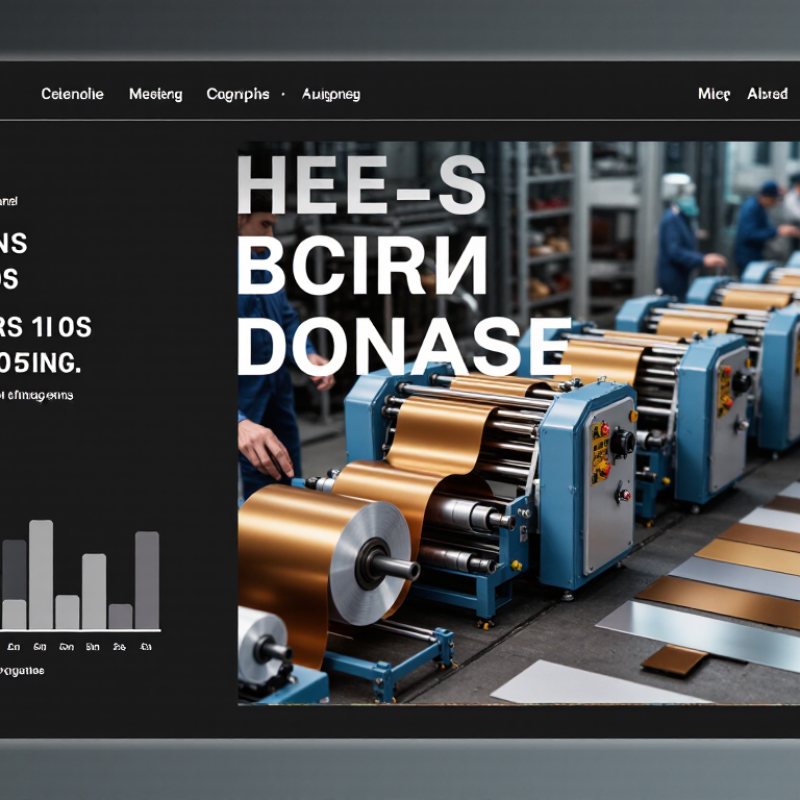
10 Tips for Choosing Bronzing Machine Manufacturers

Define Your Bronzing Production Needs and Equipment Requirements

Define your bronzing work before comparing manufacturers. List the materials you run, including paperboard, coated stock, labels, or flexible sheets. Record the largest sheet size, typical thickness, daily volume, and shortest production run.

Note the foil colors, embossing depth, and registration tolerance each job requires. Small details matter. A narrow margin of error can affect fine text or metallic borders. Keep samples of both successful and difficult jobs; they make equipment discussions more concrete.

Smithers’ 2023 report, The Future of Global Printing to 2028, puts the worldwide print market at roughly US$0.8 trillion in 2022. That scale signals varied production needs, not one universal machine specification.

Ask manufacturers to state speed at your actual substrate and image coverage, rather than quoting maximum speed alone. PRINTING United Alliance’s 2024 State of the Industry report highlights labor and cost pressures, making changeover time and operator requirements worth checking too.

Request a trial using your stock, foil, and artwork. Measure setup time, reject rate, and finished impression quality. It is easy to over-specify capacity.

The honest trade-off is that a cheaper machine may fit today’s jobs, but leave little room for tomorrow’s formats.

Assess Manufacturers’ Experience and Technical Expertise

Years in business matter, but they do not prove a manufacturer can handle your production needs. Ask how its engineers manage heat stability, pressure, and foil registration across different materials. Watch a live trial. Bring your own paper or packaging stock, then inspect the edges for gaps, wrinkles, and uneven transfer. That matters. A polished sample made on a different substrate tells you very little.

Look for practical evidence of technical expertise: clear machine specifications, documented test results, and engineers who can explain setup limits in plain language. Ask who handles installation, operator training, and troubleshooting after delivery. Ask for evidence. A capable team should discuss routine maintenance, common wear parts, and realistic service response times without promising perfection. I would also compare the test conditions with your real workload; short demonstrations can hide slow changeovers or inconsistent output. No factory can predict every production issue, and a hesitant answer may be more honest than an easy guarantee.

Verify Machine Quality, Safety Standards, and Compliance

Tip: Request independent test reports, not just a polished brochure. Check the exact model number, electrical ratings, protective features, and test date. For UV bronzing equipment, ask whether the machine has been assessed against the applicable edition of IEC 60335-2-27, which covers appliances that expose skin to ultraviolet or infrared radiation. A certificate for a similar model is not enough.

Tip: Verify safety claims against authoritative evidence. The IARC Working Group classified UV-emitting tanning devices as carcinogenic to humans in its 2009 evaluation. It also reported a 75% higher melanoma risk among people who began using tanning devices before age 30. That finding concerns exposure, not factory defects, but it makes reliable timers, intact shielding, and clear user instructions essential. Small details matter.

Tip: Inspect a sample unit under realistic conditions. Check door or panel interlocks, emergency shutoffs, wiring, ventilation, and the legibility of warning labels. Ask the manufacturer for traceable quality records, corrective-action procedures, and documentation showing compliance with relevant local requirements. Record any gaps. A spec sheet can still mislead, and even a neat factory audit cannot prove every unit is consistent. Compare the paperwork with the machine in front of you.

Compare Customization Options, Training, and After-Sales Support

10 Tips for Choosing Bronzing Machine Manufacturers

Tip: Ask how much of the machine can be customized. Share your product dimensions, production volume, and available floor space. Request a written list of standard features and extra-cost options. A useful supplier will explain trade-offs, not simply promise that everything is possible. Check whether settings, guards, or feed systems can be adjusted without complicating routine cleaning. Details matter.

Tip: Treat training as part of the equipment, not an optional extra. Ask who leads the sessions, how many operators can attend, and whether training includes setup, shutdown, and common fault checks. A clear manual and hands-on practice help staff work consistently. If your team changes shifts often, ask whether refresher training is available. It is easy to overlook this until a new operator joins.

Tip: Get after-sales support terms in writing. Confirm service hours, expected response times, remote troubleshooting options, and access to replacement parts. Ask which components need regular inspection and how long common spares typically take to arrive. Compare warranty coverage carefully; the headline period may not explain what is excluded. One question worth asking: what happens if a fault cannot be resolved remotely? A direct answer is reassuring, though no plan removes every delay.

10 Tips for Choosing Bronzing Machine Manufacturers - Compare Customization Options, Training, and After-Sales Support

Tip What to Compare Questions to Ask Evidence to Request
1. Define your process Machine type, production method, material, sheet or web width, and expected output. Can the proposed configuration run our material and meet our production requirements? A written specification listing operating range, throughput assumptions, and material requirements.
2. Check customization scope Available changes to working width, feeding, heating, controls, guarding, and line integration. Which options are standard, engineered to order, or outside the supplier’s scope? A configuration proposal showing included features, optional items, and interface requirements.
3. Validate material compatibility Compatibility with the actual substrate, transfer material, and production conditions. Can you conduct a trial using samples representative of our production materials? Trial results, sample conditions, and agreed acceptance criteria documented in writing.
4. Review controls and usability Operator controls, recipe handling, alarms, data access, and the clarity of operating instructions. Can operators adjust and save process settings, and how are faults displayed? A control-system overview, sample screens, and a list of available manuals and languages.
5. Compare safety provisions Machine guarding, emergency stops, electrical documentation, and applicable safety requirements. Which safety standards and regulations apply to the machine at its installation location? Risk assessment, safety documentation, and a clear statement of the supplier’s compliance scope.
6. Assess training provision Training format, duration, language, participant roles, and coverage of operation and routine care. Is training available on-site or remotely, and what is included in the quoted price? A training agenda, participant requirements, and any operator or maintenance materials supplied.
7. Verify commissioning support Installation guidance, startup checks, acceptance testing, and responsibilities at the site. Who handles installation and commissioning, and what site preparations are required? A commissioning checklist, site-readiness requirements, and written acceptance criteria.
8. Examine after-sales support Support hours, contact channels, response targets, remote troubleshooting, and service availability. How are service requests handled, and what support is included after delivery? Written service terms with support scope, escalation process, and any stated response targets.
9. Check spare-parts arrangements Recommended spare parts, availability, ordering process, and shipping arrangements. Which parts are wear items, and how can we identify and order replacements? A parts list with item identifiers, recommended quantities, and applicable lead-time information.
10. Compare the full ownership terms Price inclusions, warranty coverage, delivery terms, installation costs, and ongoing service costs. What is excluded from the quotation and warranty, and how are claims or service visits handled? An itemized quotation, written warranty terms, and a delivery and service responsibility schedule.

Compare suppliers against the same written requirements, and confirm performance, compliance, service, and warranty details in the quotation or contract.

Evaluate Pricing, Delivery Terms, and Customer References

Choosing a bronzing machine manufacturer takes more than comparing headline prices. Request an itemized quotation covering the machine, installation, operator training, spare parts, and maintenance. A low initial figure may exclude essential services. Check payment milestones, currency, warranty coverage, and what happens if commissioning is delayed. Ask for these terms in writing, not just during a sales call.

Tips: Compare delivery terms line by line. Confirm the estimated build time, shipping method, packaging, and who arranges unloading. Ask whether the quoted date means dispatch or arrival at your facility. Those are different milestones. A delivery schedule should also explain how delays are reported and which documents come with the equipment. Small omissions can create avoidable downtime.

Tips: Request references from customers using similar machine capacities and production volumes. Ask how reliably the equipment performs, how quickly technical support responds, and whether replacement parts arrive as expected. Speak with more than one reference if possible. Keep questions specific. A polished demonstration is useful, but it cannot show every maintenance issue. No reference call removes all uncertainty, so compare their feedback with the written warranty and service commitments.

10 Tips for Choosing Bronzing Machine Manufacturers

Suggested Supplier Evaluation Weights

Compare suppliers on price, delivery terms, customer references, and practical requirements such as machine capability, warranty, and safety compliance. The percentages are an illustrative buyer-defined scoring framework, not results from an industry survey.

Skip to content