

7 Tips for Choosing a Sandwich Cake Machine

Choosing a Sandwich Cake Machine is a practical investment, not a catalog exercise. The right model must spread filling evenly, keep layers aligned, and produce clean edges at your required speed. Picture a sponge sheet moving beneath a depositor: a small change in filling volume can affect every slice that follows. Capacity matters, but so do changeover time, cleaning access, operator training, and the availability of replacement parts.

This guide examines seven selection points, from product size and line speed to controls, hygiene design, and after-sales support. Industry reports from organizations such as PMMI can help buyers assess broader processing and automation trends, but their figures should be checked against the report edition and the machine’s intended application. No source articles or verifiable expert quotation were included with this request, so I will not invent market statistics or attribute a statement to a supposed Sandwich Cake Machine specialist. That restraint matters. A supplier’s quoted output may depend on cake thickness, filling type, and setup conditions. Ask for a product trial using your own recipe. Watch the layers travel. Check the cut faces. Then compare measured performance with your production target. A sound choice starts with evidence on the factory floor.
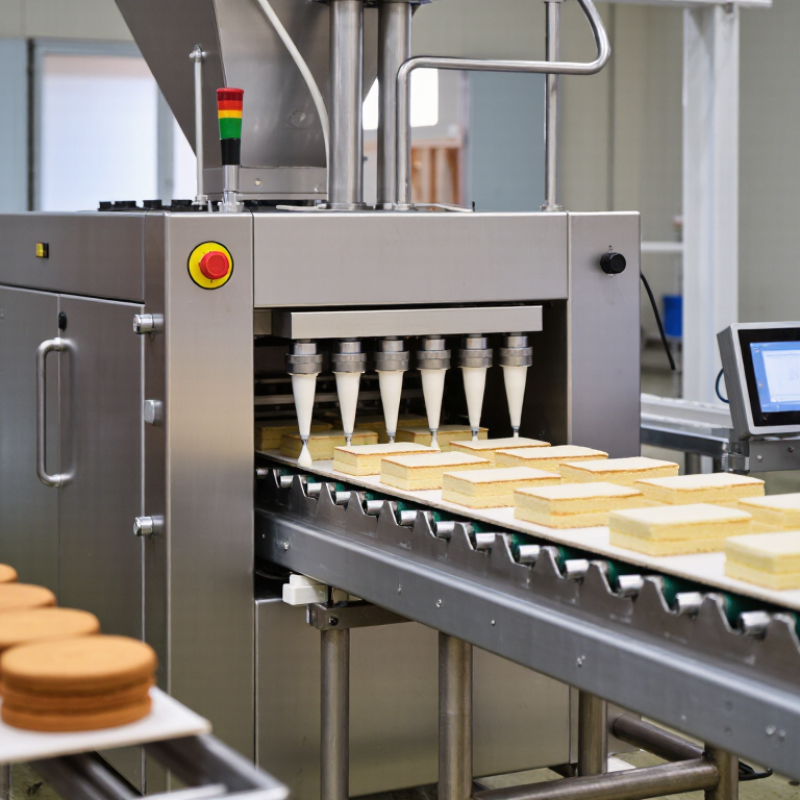
7 Tips for Choosing a Sandwich Cake Machine

Understanding Sandwich Cake Machines and Your Production Needs

Understanding a sandwich cake machine starts with the job it must perform. Depending on its configuration, it may portion batter, bake cake sheets, spread filling, or stack finished layers. Some operations require separate equipment. Map your current process before comparing machines, including where workers move trays or correct uneven layers.

Production needs are more specific than a target number of cakes per hour. Record sheet dimensions, layer thickness, batch size, and the types of filling you use. A soft cream and a thick fruit preparation may behave differently during spreading. Ask suppliers to test your actual recipes and confirm output under realistic changeovers, not just ideal conditions. Small differences matter. Check how quickly operators can adjust settings, clean contact surfaces, and switch between product sizes. These details affect usable production time.

Plan for the room around the machine, too. Measure doorways, service access, tray routes, and space for cooling or packaging. A high-capacity unit can become a bottleneck if the next process cannot keep pace. It is tempting to choose the largest model, but that may add cost and complexity without improving daily output. Leave some capacity for growth, while checking whether your team can operate and maintain the equipment confidently. A production plan is never perfect; trial runs often reveal one awkward step nobody noticed on paper.

Matching Machine Capacity and Speed to Your Batch Size

A sandwich cake machine should match the amount you actually produce, not an optimistic sales forecast. Estimate the number of finished cakes needed per shift, then allow time for loading, filling changes, cleaning, and minor stoppages. A machine rated for 600 cakes an hour may deliver less during a real shift. I would not trust the rated figure alone.

Run a small production test if possible. Note how many cakes pass through in 15 minutes, including any pauses to adjust filling or align layers. Multiply that result by your planned operating time, but leave room for interruptions. For example, a line producing 80 cakes in 15 minutes has a theoretical rate of 320 per hour. Your usable rate may be lower. Be cautious.

Speed matters only when the rest of the line can keep up. Check whether workers can supply cake layers steadily and whether the oven, cooling area, and packaging station can handle the same output. For short batches, adjustable speed and quick changeovers may be more valuable than maximum capacity. For recurring large orders, extra capacity can help with demand spikes, though unused capacity still costs money. Recheck your estimates after the first few production runs; actual filling thickness and cake size can change the pace.

Checking Baking Performance and Temperature Control

A sandwich cake machine should bake evenly across the full plate, not just brown the edges. Check test cakes from the center and corners for color, crumb, and release. The FDA Food Code (2022, §4-203.11) sets a useful measurement benchmark: food temperature devices should be accurate within ±1°C (±2°F) across 0–100°C. Use a calibrated probe to verify readings rather than trusting the display alone. A perfect dial reading can still fool you.

Tip: Run several batches at the same setting. Record preheat time, bake time, and temperature recovery after each load. Look for pale centers, dark rims, or cakes that stick in one area. Those small differences can signal uneven heat or slow recovery. Test with your own batter; its thickness and sugar content affect browning.

Ask whether the machine allows separate top-and-bottom heat adjustment and stable temperature settings. Check how much the reading shifts when the lid opens, then closes. A 5°C swing may matter when batches run continuously. Not every shop needs digital controls, though; easy-to-read settings and repeatable results may be more useful. I would still retest after cleaning or moving the machine. Small setup changes can alter the bake.

Assessing Build Quality, Cleaning, Safety, and Maintenance

A sandwich cake machine should feel stable before it ever touches food. Check welded joints, frame rigidity, and food-contact surfaces for pits or rough edges where crumbs and moisture can collect. Guards should stay firmly in place, while controls remain easy to reach without crossing the cutting area. A glossy finish alone proves little. Look closely at hinges, seals, and corners; these small details often reveal whether daily use was considered.

Tip 1: Ask how parts come apart for cleaning, and test the process if possible. Removable plates and accessible seams make it easier to clear soft bread, cream, and fillings. The FDA Food Code 2022, section 4-602.11, generally calls for food-contact surfaces used with temperature-controlled foods to be cleaned at least every four hours during continuous use. Treat that as a practical benchmark, not a substitute for the machine’s instructions. Cleaning can still be missed when disassembly is awkward.

Tip 2: Inspect emergency stops, guards, and electrical connections before purchase. Tip 3: Keep a simple maintenance log for blade checks, loose fasteners, and worn seals. Small details matter. A weekly check may catch gradual wear, but the right interval depends on workload and the manufacturer’s guidance. Don’t assume a quiet motor means a healthy machine; unusual vibration deserves attention.

Comparing Controls, Supplier Support, and Total Cost of Ownership

When comparing sandwich cake machines, look beyond the number of buttons. Controls should let operators adjust batter flow, layer thickness, and belt speed without stopping production. Clear labels and a readable display help during busy shifts, especially when recipes change. Ask for a hands-on trial with your own batter; a smooth demo using a different mix may not tell you much.

Supplier support affects daily reliability. Check how quickly the supplier responds to service questions and whether technicians can guide setup remotely or on site. Ask for operator training, cleaning instructions, and a list of recommended spare parts. Small details matter. A machine that is easy to clean between fillings can save time, but only if its manual explains the process clearly. It is easy to assume support will be available when needed; get response times and service terms in writing.

Total cost of ownership includes more than the purchase price. Compare energy use, routine maintenance, replacement parts, installation, and staff training over the expected service life. Request a sample maintenance schedule and clarify which parts wear fastest. Then estimate costs using your actual production hours, not an idealized shift. The numbers may still be imperfect, but recording your assumptions makes the comparison more useful. A lower quote can become expensive if parts are difficult to source or downtime disrupts orders.

7 Tips for Choosing a Sandwich Cake Machine

Compare controls, supplier support, total cost of ownership, and other practical buying criteria.

How to use this chart: These suggested weights add up to 100% and provide a starting point for comparing machines. Adjust them to match your production needs; they are not market-survey results.

Skip to content