Top Fertilizer Dye Manufacturers in China
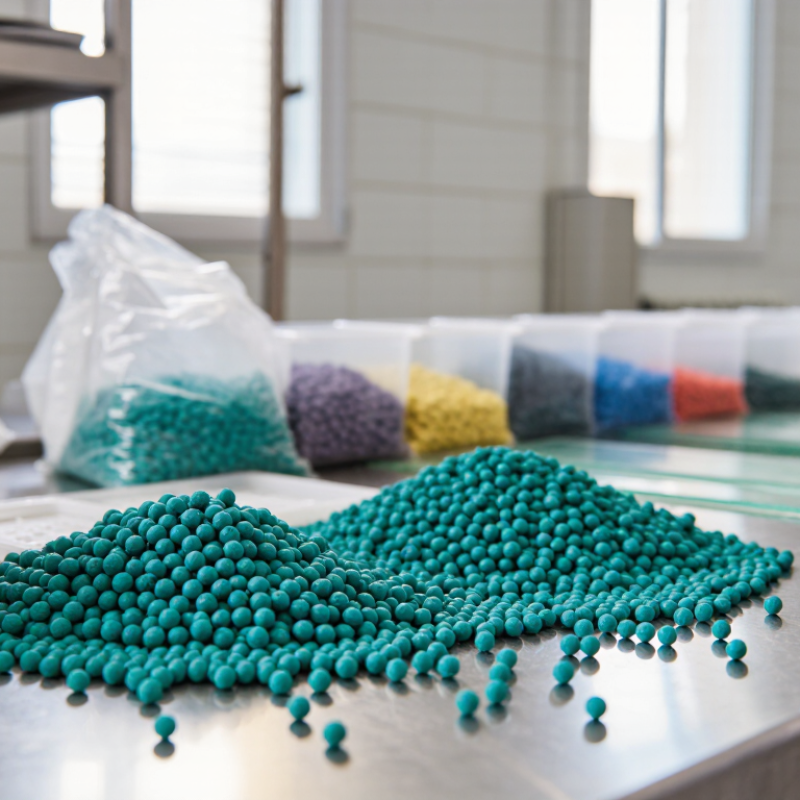
Fertilizer Dye may look like a small input, but its performance can shape how fertilizer is identified, handled, and inspected. A consistent color can help distinguish product grades and reveal uneven coating across granules. It must also withstand blending, storage, and transport without creating dust or compromising the fertilizer’s intended use. Small details matter: a bright, even coating on a handful of granules can signal process consistency, while patchy color may prompt closer quality checks.
Industry reports provide important context, though they do not establish the size of the fertilizer-dye market. The FAO report World Fertilizer Trends and Outlook to 2026 tracks global fertilizer nutrient demand and supply. The International Fertilizer Association’s market outlooks also monitor fertilizer production and consumption. These sources help explain the scale and changing needs of fertilizer manufacturing; they should not be mistaken for dye-specific market data. Buyers still need product-level evidence, including shade consistency, application performance, and compatibility with their fertilizer formulation.
This guide examines leading Fertilizer Dye manufacturers in China through practical criteria: technical documentation, production capability, quality controls, and responsiveness to buyer requirements. One limitation deserves clarity. No source material or verifiable public quotation from a named fertilizer-dye specialist was provided, so attributing a quotation would risk inventing expertise. That gap matters. Manufacturer claims should be checked against test records, samples, and current specifications before purchase.
What Fertilizer Dyes Are and How They Are Classified
Top Fertilizer Dye Manufacturers in China
What Fertilizer Dyes Are and How They Are Classified
Fertilizer dyes are colorants added to liquid or solid fertilizers. They help workers distinguish product types, identify treated batches, and spot uneven application. The color itself does not provide nutrients. It should not be mistaken for a measure of fertilizer strength. In practice, a dye must remain stable in the product and avoid interfering with its intended use.
One common classification is based on solubility. Water-soluble dyes dissolve into liquid fertilizers and can produce an even tint. Pigments do not dissolve; they are dispersed as fine particles and may suit some granular products. Dyes can also be grouped by purpose, such as product identification or temporary application visibility. This distinction sounds tidy, but real formulations can blur it. There is no single classification used by every supplier, so technical data sheets matter.
Tips: Check solubility, pH compatibility, light stability, and storage behavior in the actual fertilizer mix. Test a small sample first. A dye that looks clear in water may settle, fade, or alter the product’s appearance after storage. Color matching alone is not enough.
Fertilizer Colorants: How Dyes and Pigments Are Classified
Colorants are commonly distinguished by how they behave in water. Water-soluble dyes dissolve to form a colored solution, while pigments are generally insoluble and need to be dispersed through the fertilizer or coating.
Typical classification traits: 1 = yes; 0 = no. Actual behavior depends on the specific colorant and formulation.
China’s Fertilizer Dye Manufacturing Industry
China’s fertilizer dye manufacturing industry supports color identification across granular and liquid fertilizers. Manufacturers formulate colorants for dry granules, coated products, and liquid blends. The dye must disperse evenly without weakening granules or affecting fertilizer performance. A bright sample is not enough. Producers also assess heat exposure, moisture, storage stability, and batch-to-batch color consistency. Small dosage differences can create visible shade variation across a full production run.
Many facilities coordinate colorant production with fertilizer processing requirements. The work may include raw-material inspection, controlled mixing, milling, and batch testing. Technicians can compare treated granules under consistent lighting and check color after simulated storage. Clear records help trace fading, clumping, or uneven coating. Still, results are not always perfect; fertilizer chemistry and handling conditions can complicate performance. That limitation deserves honest discussion.
Tips: Confirm compatibility with the fertilizer formula, then test a small production batch. Ask for technical data, recommended dosage, and storage guidance. Check color after drying and storage, not just immediately after mixing.
How to Evaluate Fertilizer Dye Manufacturers in China
Top Fertilizer Dye Manufacturers in China
How to Evaluate Fertilizer Dye Manufacturers in China
When comparing fertilizer dye manufacturers in China, start with product fit, not a polished catalog. Ask for the dye’s composition, recommended dosage, and compatibility data for your fertilizer base. Test a sample in the actual formulation. Moisture, pH, and storage temperature can affect shade and dispersibility. Request recent batch records and a certificate of analysis, then compare them with your own results. A document alone is not proof.
Assess production consistency and technical support. Ask how the supplier controls color strength between batches and handles complaints or rejected material. Check whether the facility can explain its quality checks, packaging safeguards, and typical lead times. If possible, review samples from multiple production lots. This takes extra time. It may prevent costly rework. Clear communication matters, although a quick reply does not guarantee reliable service. Missing data should prompt questions, not be dismissed as a minor detail.
Tips: Send each candidate the same fertilizer base and target shade. Record dosage, mixing time, settling, and color after storage. Ask for written specifications and a small trial order before scaling up. Keep a retained sample for comparing future deliveries.
Leading Chinese Manufacturers and Their Product Capabilities
Chinese fertilizer dye manufacturers vary widely in formulation, color range, and production scale. Strong suppliers can provide water-soluble dyes or pigment dispersions suited to granular, powdered, or liquid fertilizers. Their teams typically assess compatibility with the fertilizer base, color strength, storage stability, and staining during handling. A bright sample is not enough. The shade should remain consistent after blending and storage.
Manufacturing capability also depends on process control. Look for documented batch checks, clear technical data, and samples tested under realistic conditions, such as contact with moist granules or common packaging materials. Some producers offer custom shades and adjust concentration to meet dosing needs. Others focus on standard colors and larger production runs. Neither approach is automatically better. Ask how the supplier manages color variation between batches, and request recent test results where available. A small trial can reveal issues that a product sheet misses. Even experienced buyers sometimes overlook this step. That is worth reconsidering. Manufacturers with responsive technical support can help diagnose fading, uneven coating, or residue, but claims should be verified against your own process.