
As we step into 2026, the world of LED Light Design is poised for exciting transformations. According to Emily Tran, a renowned expert in illumination design, “The future of LED Light Design hinges on sustainability and innovative technology.” This statement captures the essence of where the industry is headed.
Buyers across the globe are increasingly looking for designs that not only illuminate spaces but also harmonize with environmental concerns. The integration of smart technology will redefine how we perceive lighting. Imagine a living room with lights that adjust automatically based on natural sunlight.
Yet, the challenge remains. Many designs still lack versatility. As trends evolve, ensuring aesthetic appeal while maintaining functionality will be crucial. The world is watching as LED Light Design continues to unfold, shaping our homes and workplaces in unprecedented ways.
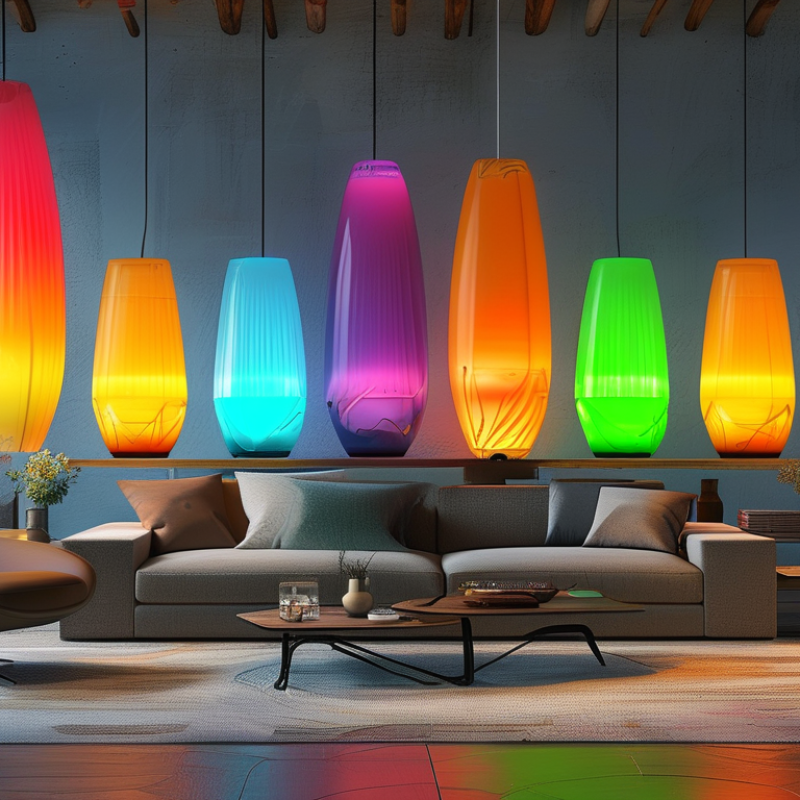
The LED lighting industry is evolving rapidly, with innovative design trends emerging for global buyers in 2026. Key drivers behind these advancements include energy efficiency, sustainability, and smart technology integration. According to a recent report by the International Energy Agency, LED lights already account for over 60% of global lighting sales, a figure projected to grow even more as efficiency standards tighten.
A growing focus on environmental impact has led to an increase in demand for eco-friendly materials in LED design. Studies show that sustainable production methods can reduce carbon footprints by up to 30%. This shift not only attracts environmentally conscious consumers but also aligns with global regulations on reducing electronic waste.
When considering new LED designs, think about adaptability. Designs that cater to various settings, from residential to commercial, are gaining traction. Customizable lighting solutions resonate well with diverse audiences. Assess how these products perform in different environments. It's essential to combine aesthetic appeal with functionality. Balance is crucial; achieving both is a challenge but can lead to significant market success.
Sustainable materials are becoming a focal point in LED lighting design. As environmental awareness grows, buyers are looking for products made from recyclable components. For instance, manufacturers are now using bio-based plastics and recycled metals in their designs. These materials not only reduce waste but also lower the carbon footprint.
Eco-friendly practices are also transforming the industry. Energy-efficient production methods are becoming the norm. For example, some manufacturers employ renewable energy sources in their facilities. This shift leads to less reliance on fossil fuels. Even packaging is evolving, with a move towards compostable and minimalistic designs. However, not all companies prioritize sustainability equally, leading to confusion among buyers.
In 2026, the challenge will be to balance aesthetics and environmental responsibility. Designers face pressure to create appealing products that are also sustainable. There is still a way to go in innovating materials and techniques. Some designs can fall short of expectations, reminding us of the importance of transparency in sustainability claims.
The evolution of smart lighting solutions is paving the way for a more automated and interconnected environment. As the Internet of Things (IoT) continues to advance, the integration of lighting systems with other smart devices becomes essential. This synergy provides users with enhanced control over energy consumption and lighting ambiance. Through mobile applications, users can adjust light intensity, color, and schedule, creating tailored experiences for different spaces.
Incorporating automation into lighting design also presents a unique set of challenges. For instance, ensuring compatibility among different brands and devices can be complex. Not all users are tech-savvy, which may hinder the full adoption of these innovative systems. Moreover, there's a potential risk of over-reliance on technology that could lead to issues if systems fail or malfunction.
Despite these concerns, the potential of smart lighting remains significant. The combination of convenience, energy efficiency, and improved user experience drives the trend forward. As global buyers explore these solutions, understanding the balance between technology and simplicity will be crucial for successful implementations. Engaging with credible manufacturers and experts will help navigate this evolving space effectively.
As we look toward 2026, the design of LED lighting continues to evolve, showcasing a strong emphasis on minimalism. This trend emphasizes clean lines and uncluttered aesthetics, allowing spaces to breathe. Designers are focusing on creating timeless pieces that blend seamlessly into various environments. A minimalist approach reduces visual noise while enhancing the ambiance of a space.
Customization is becoming increasingly important in LED design. Consumers desire unique solutions tailored to their specific tastes and needs. This demand encourages designers to incorporate versatile options that allow users to personalize their lighting experience. Options like adjustable color temperatures and dimming features cater to individual preferences, enhancing functionality and comfort. However, achieving the right balance between customization and simplicity can be challenging.
This year has seen a rise in the use of natural materials alongside LED technology, adding warmth to stark LED designs. While many embrace this integration, some still question how these elements harmonize in modern environments. The challenge lies in ensuring that customization does not compromise the integrity of the minimalist aesthetic. Reflecting on these themes provides insight into how LED design can evolve to meet diverse expectations while maintaining a cohesive aesthetic.
User-centric features in LED light design emphasize comfort and functionality, directly affecting user satisfaction. According to a report from the International Lighting Association, 75% of users prefer lighting solutions that adapt to their daily routines. This trend highlights the need for more customizable lighting systems that prioritize individual preferences.
Adjustable color temperatures and smart controls are becoming essential. Studies show that 60% of consumers seek lights that can shift from bright white to warm tones depending on the time of day. This flexibility promotes emotional well-being and helps mitigate eye strain. The growing demand for harmonized lighting with personal spaces is undeniable.
Consider integrating sensor technologies that adjust brightness based on existing light levels. This not only saves energy but also boosts comfort. Additionally, ergonomic designs that reduce glare can have a significant impact. Providing intuitive interfaces enhances usability, aligning with user expectations.
Conducting user feedback sessions can reveal what features consumers genuinely want. While many designs focus on aesthetics, comfort should lead the way. Reflecting on user experiences will guide the creation of sustainable and innovative lighting solutions.
| Trend | Description | User-Centric Feature | Functionality Enhancement |
|---|---|---|---|
| Smart Lighting Systems | Integrating IoT for controlled lighting | Remote control via smartphone apps | Scheduling and automation features |
| Energy Efficiency | Reducing energy consumption | Adaptive brightness settings | Smart energy tracking |
| Color Customization | Users can choose light colors | Mood lighting features | Dynamic color changing capabilities |
| Sustainability | Eco-friendly materials and production | Recyclable components | Long lifespan products |
| Minimalist Design | Simple, sleek aesthetics | Discreet integration into spaces | Space-saving functionality |
| Smart Sensors | Automatic adjustments based on environment | Motion detection and presence sensing | Energy saving modes when unoccupied |
| User-Friendly Interfaces | Easy operation for all age groups | Voice control capabilities | Intuitive app designs |
| Health and Wellbeing Benefits | Lighting that promotes wellness | Circadian rhythm adjustment | Blue light reduction features |
| Personalization | Tailored lighting settings for individuals | Profiles for different users | Customized presets and scenes |
| Integration with Other Smart Home Devices | Seamless connectivity with home systems | Works with smart thermostats, speakers, etc. | Multi-device coordination features |
TERMS OF USE - LEDOLUX
This site uses cookies in order to deliver services in accordance with Privacy Policy. You can use settings within your browser to control the cookies that are set on your computer – conditions of access or storage of cookies.
Your data controller will be LEDOLUX POLAND SP. ul. Innowacyjna 1; 36-060 Głogów Małopolski, which adapts the content of its website to your needs and analyses and examines them to improve it. More information.