

Choosing a Vertical Cartoning Machine is not just a matter of comparing speed figures. Buyers also need to consider carton size, product feeding, changeover time, and how the machine fits into an existing line. A unit that handles small medicine boxes may not suit food pouches or personal-care products. The details matter.
China has a broad packaging-equipment manufacturing sector, but suppliers differ in engineering depth, component choices, customization, and after-sales support. A polished product page alone cannot confirm how a machine performs during a full production shift. Ask for a sample run using your carton and product, and review clear specifications for capacity, footprint, power needs, and safety features. Where possible, speak with customers who use similar configurations. Small checks can prevent expensive mismatches.
This guide introduces notable Chinese manufacturers of vertical cartoning equipment and the factors that help buyers compare them. It focuses on practical evidence: machine design, application experience, service arrangements, and the clarity of technical documentation. These points are useful starting places, not guarantees of performance. Supplier claims still deserve careful verification, and a factory visit may reveal issues that brochures miss. I would also avoid treating a single ranking as definitive; the best choice depends on your product, operating conditions, and support expectations. Some comparisons remain imperfect, because public information is not always equally detailed.
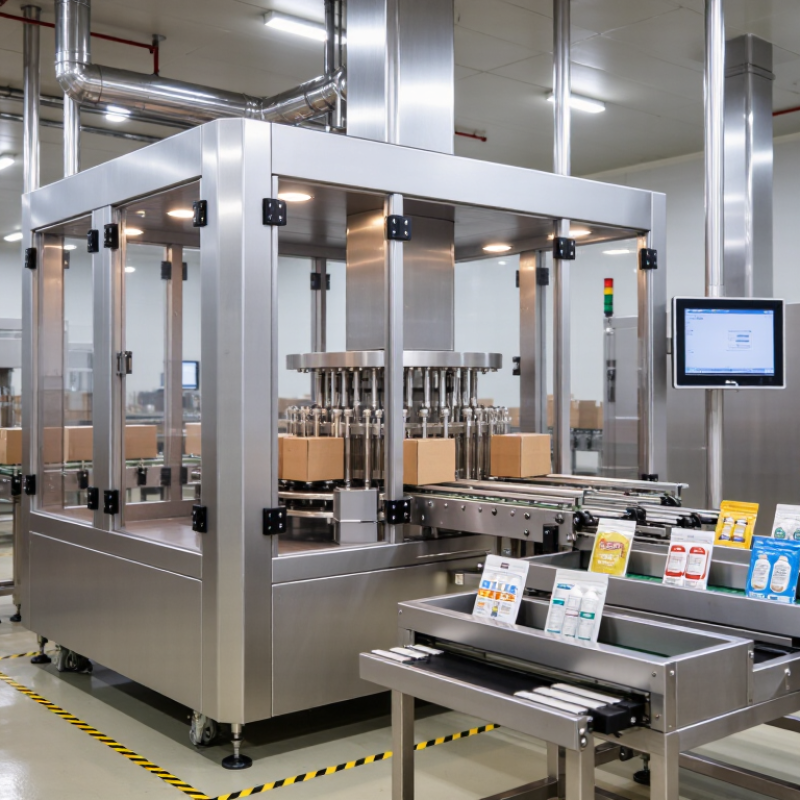
Vertical cartoning machines form flat carton blanks into boxes, place products inside, and close the cartons. Depending on the design, loading may be manual, assisted, or fully automatic. Operators typically adjust guides and change parts to suit different carton sizes. Compact footprint is a key advantage. Useful on crowded lines.
These machines package bottles, tubes, sachets, and small boxed products. Common applications include food, cosmetics, household goods, and regulated pharmaceutical packaging. A machine may also insert a leaflet, print a batch code, or apply a tamper-evident seal. The details matter: fragile cartons can buckle, while poorly aligned products may slow loading. Setup matters.
When evaluating equipment from Chinese manufacturers, buyers should compare carton dimensions, product handling, changeover time, and support for line integration. Ask for a trial using the actual carton and product, not only a demonstration sample. A catalog speed can be misleading if frequent stops reduce real output. The trade-off is real. Faster operation may require more careful adjustment, and even a well-built machine needs routine cleaning and inspection.
A vertical cartoning machine forms cartons from flat blanks, loads products through an upright opening, then closes and discharges each carton. A magazine holds the blanks in a stack. Vacuum cups separate one blank, and folding rails shape it into a sleeve. The machine’s conveyor or grippers then carry the open carton to the loading station.
Small details matter. Sensors check carton position and product presence; a missed check can cause jams or empty packs.
The product may enter by hand, chute, or synchronized feeder, depending on its shape and fragility. After loading, tucking plows fold the flaps, while glue or mechanical locks secure the carton.
PMMI’s 2023 State of the Industry report estimated U.S. packaging machinery shipments at $10.2 billion in 2022, up 4.8% year over year. That figure covers packaging machinery broadly, not vertical cartoners alone, but it reflects investment in automated packaging.
In practical trials, measure changeover time, carton damage, and repeated stoppages—not just rated speed. A machine can run smoothly with one carton style and struggle with another. That is easy to overlook.
Evaluating Chinese manufacturers requires evidence beyond catalog speed. The machine must handle your actual cartons, inserts, and product dimensions. Request a witnessed factory acceptance test using representative materials. Check carton opening, product loading, closing quality, and rejects across a sustained run. Ask for results at both normal and maximum speeds. A brochure is not proof.
Grand View Research estimated the global packaging machinery market at USD 45.4 billion in 2022, with a projected 5.3% compound annual growth rate from 2023 to 2030. This broad market figure is not specific to cartoners, but it signals growing investment and competition. Compare suppliers on measurable performance: changeover time, supported carton range, fault recovery, and documented uptime. Small details matter. Inspect guards, wiring labels, and access to routine service points.
Also assess engineering depth and after-sales support. Ask how quickly technicians respond, which spare parts are stocked, and whether manuals and training are available in clear English. Review references from plants with similar products and production conditions. Confirm the quotation lists test criteria, exclusions, and installation responsibilities.
One caveat: a fast changeover demonstrated once may not reflect daily operator experience. Observe more than one changeover, and speak directly with the people who will run the machine.
China’s leading vertical cartoning machine manufacturers serve food, cosmetics, household goods, and pharmaceutical packaging operations. Their machines typically erect cartons, insert products vertically, and close cartons with tuck-in or glued flaps. The right supplier understands more than speed. It should match carton dimensions, product shape, and the space available on your production floor.
Look for practical engineering evidence. Ask how the machine handles carton blanks with slight variations, and whether operators can adjust guides without special tools. A reliable test uses your actual cartons and products, not just sample materials. Observe feeding, alignment, and closing during a sustained run. Small jams matter. Ask for measured changeover times and written details about control systems, guarding, and service support.
Strong manufacturers should explain their limits as clearly as their capabilities. A quoted output rate may depend on carton quality, product orientation, and operator experience. That is worth checking. Request a factory acceptance test, spare-parts guidance, and training plans before ordering. Some suppliers may offer impressive customization, yet complex options can make future maintenance harder. Compare the machine’s performance with your real workload, and ask who will respond when a sensor faults during a shift.
The figures below are indicative market ranges for vertical cartoning equipment, not specifications for any individual manufacturer or machine. Actual performance depends on carton dimensions, product feeding, configuration, and operating conditions.
| Evaluation Dimension | Indicative Market Data or Feature | What Buyers Should Verify |
|---|---|---|
| Cartoning speed | Many intermittent-motion models are offered in the approximate range of 30–100 cartons per minute; output varies by product and configuration. | Request a speed test using the buyer’s actual product and carton, and distinguish rated speed from sustained production output. |
| Carton size compatibility | Carton size is model-specific; machines commonly handle a defined range of length, width, and depth rather than every carton format. | Confirm the minimum and maximum carton dimensions, board thickness, tuck style, and whether change parts are needed. |
| Product feeding | Typical configurations can be paired with manual loading or automatic feeding systems designed for the product format. | Check product orientation, feeding stability, infeed rate, and integration requirements for upstream equipment. |
| Leaflet and insert handling | Leaflet feeders and insert-handling options are available on configured machines; they are not standard on every model. | Confirm leaflet dimensions, folding format, insert count, detection method, and rejection logic. |
| Carton closure | Common closure options include tuck-in flaps; glue closure may be available as a machine configuration. | Specify the carton design and closure method, and test the finished pack for secure, consistent closure. |
| Changeover | Changeover time depends on format differences, adjustment design, and operator experience; no single time applies to all machines. | Ask for a demonstrated changeover between the specific carton formats and a list of required tools and change parts. |
| Controls and fault detection | Configured systems may include a PLC, operator interface, and sensors for carton or product presence. | Verify alarm records, missing-product detection, reject handling, language options, and availability of electrical documentation. |
| Machine footprint and utilities | Footprint and utility needs vary with machine size, feeding equipment, and optional modules. | Obtain the final layout and confirm electrical supply, compressed-air demand, access clearance, and line height. |
| Compliance and documentation | Compliance documentation and certification depend on the destination market and the supplied machine configuration. | Identify applicable local requirements and request relevant declarations, risk assessments, manuals, and test records. |
| Service and spare parts | Support arrangements differ by supplier, export market, and service agreement. | Confirm response times, commissioning scope, training, warranty terms, and recommended spare-parts list. |
China’s vertical cartoning machine market is shaped by demand for flexible packaging, faster changeovers, and dependable automation. Smithers’ The Future of Global Packaging to 2028 estimated the global packaging market at $1.14 trillion in 2023 and forecast $1.38 trillion by 2028. That figure covers packaging broadly, not cartoning equipment, but it signals sustained investment across packaging lines. Automation is another pressure: the International Federation of Robotics reported 541,302 industrial robots installed worldwide in 2023. Buyers should still assess each machine against their own products, not market headlines.
Check carton dimensions, board quality, product feeding, and closure style during a live trial. Ask suppliers to record actual output, reject rate, and changeover time using your materials. Small details matter. A carton that scuffs at the infeed can interrupt an otherwise fast line. Compare guarding, fault diagnostics, spare-parts availability, and technician response times, too. For Chinese manufacturers, request clear English documentation and confirm who supports installation and training at your site. I would not over-trust brochure speeds; real performance depends on carton stiffness, operator skill, and upstream feeding. Include those limits in acceptance criteria.
TERMS OF USE - LEDOLUX
This site uses cookies in order to deliver services in accordance with Privacy Policy. You can use settings within your browser to control the cookies that are set on your computer – conditions of access or storage of cookies.
Your data controller will be LEDOLUX POLAND SP. ul. Innowacyjna 1; 36-060 Głogów Małopolski, which adapts the content of its website to your needs and analyses and examines them to improve it. More information.