Why Choose SMT PCB Assembly for Your Manufacturing Needs?
In the fast-evolving world of electronics manufacturing, selecting the right assembly method is crucial. SMT PCB Assembly stands out for its efficiency and precision. According to Dr. Emily Chen, an expert in electronics manufacturing, “SMT PCB Assembly enhances production speed while maintaining high quality.”
This method utilizes advanced techniques to place components directly onto the surface of PCBs. It's not just about speed; SMT PCB Assembly increases reliability and reduces costs. However, adopting this technology is not without its challenges. Companies must ensure they have the right equipment and skilled personnel. As Dr. Chen notes, “Commitment to training is essential for successful SMT implementation.”
Choosing SMT PCB Assembly requires thoughtful consideration of your manufacturing needs. This process offers numerous benefits but may require reevaluation of existing practices. Evaluation and adaptation are key to reaping the advantages of SMT techniques. Balancing these elements can lead to innovative and cost-effective solutions for your projects.
Advantages of SMT PCB Assembly in Modern Electronics Manufacturing
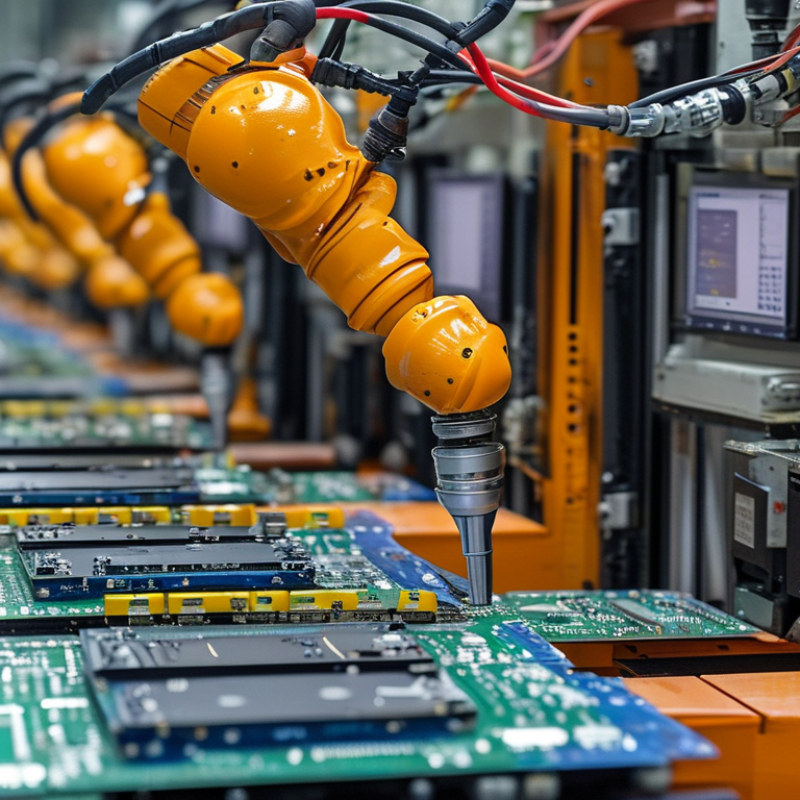
SMT PCB assembly offers significant advantages in modern electronics manufacturing. This technology enhances the efficiency of assembling electronic circuits. By placing components directly onto the surface of a printed circuit board, manufacturers can save space and create more compact designs. This is particularly beneficial as devices continue to shrink in size while increasing in functionality.
The precision of SMT assembly leads to fewer errors and higher yield rates. Advanced machinery can accurately place thousands of components per hour. This precision minimizes the risk of defects and ensures reliability in production. However, this method does require skilled operators to manage the equipment and quality. Not all factories may have access to such expertise.
Despite its benefits, SMT assembly is not without challenges. Some components can be sensitive to heat, making the soldering process risky. Additionally, the initial setup costs for SMT production can be high. Manufacturers must weigh these factors when choosing SMT for their projects. Understanding these details is crucial for making informed decisions in electronics manufacturing.
Advantages of SMT PCB Assembly in Modern Electronics Manufacturing
Key Considerations When Choosing SMT PCB Assembly Services
When selecting SMT PCB assembly services, several key considerations come into play. First, the technology used is crucial. Surface Mount Technology (SMT) has revolutionized manufacturing by allowing components to be placed directly onto the surface of printed circuit boards. According to a report by the IPC, the adoption of SMT has increased over 70% in the last decade due to its efficiency in high-density applications.
Quality control is another significant factor. Look for companies that adhere to standards like IPC-A-610 for assembly quality. Such standards ensure reliable performance of electronic devices. A reliability analysis by the DfR Solutions indicates that adherence to these guidelines can reduce failure rates by up to 50%. However, remember that even top-tier services may face occasional quality issues. Continuous improvement processes are essential for maintaining high standards.
Tips: Always request a detailed quote. This will help you understand the cost structure and make informed decisions.
Additionally, consider the manufacturer's experience in your specific sector. Different industries have unique demands and challenges. Industry experts suggest that deep domain knowledge can prevent costly mistakes.
Involving a manufacturer with experience can bring significant advantages. They may also offer innovative solutions tailored to your needs. Balancing cost, quality, and expertise is essential for effective SMT PCB assembly.
Understanding the SMT PCB Assembly Process and Techniques
The SMT PCB assembly process is pivotal in modern electronics manufacturing. It involves placing surface-mounted components onto printed circuit boards (PCBs). Precision and accuracy are crucial during this process. Specialized equipment is used to solder components onto the board with minimal errors. Each step, from solder paste application to reflow soldering, needs careful attention.
Tips: Always verify the design files before production. This step can eliminate many common mistakes. Regularly update the equipment to maintain accuracy and efficiency. A well-maintained machine ensures better quality output.
Understanding the techniques involved is essential. For example, automated pick-and-place machines quickly position components. However, manual inspection still plays a vital role. It helps catch defects that machines might miss. Even the best systems can have flaws. A balance between automation and human oversight is often necessary.
Tips: Conduct periodic reviews of your assembly process. This practice can reveal areas needing improvement. Train your staff continuously to adapt to new technologies and procedures. An informed team can make a significant difference in quality control.
Cost-Effectiveness of SMT PCB Assembly Over Traditional Methods
SMT (Surface Mount Technology) PCB assembly offers several advantages over traditional methods, especially in cost-effectiveness. For manufacturers, reducing expenses while maintaining quality is crucial. SMT components are smaller, allowing more parts to fit on a single board. This compactness leads to fewer materials and lower shipping costs. Many businesses have reported significant savings by switching to SMT assembly.
Moreover, the efficiency of the SMT process minimizes labor costs. Fewer manual steps mean fewer workers are needed. Automated machines perform precise placements quickly. Ultimately, this results in shorter production times and a faster time-to-market. However, companies must invest in the right machinery initially. This capital expense can be a barrier for some.
It's important to note that while SMT offers cost advantages, it can involve challenges. The complexity of SMT boards may require specialized employees for troubleshooting. Not all manufacturers have access to such expertise. Continuous evaluation of the process is essential to ensure that costs do not spiral due to errors or rework. Balancing quality and cost is key to successful implementation.
Why Choose SMT PCB Assembly for Your Manufacturing Needs? - Cost-Effectiveness of SMT PCB Assembly Over Traditional Methods
| Aspect | SMT PCB Assembly | Traditional PCB Assembly |
| Production Speed | High - allows rapid production | Low - manual processes are slower |
| Cost of Components | Generally lower due to bulk procurement | Can be higher due to sourcing difficulties |
| Labor Costs | Reduced - minimal manual assembly required | Higher - significant manual labor needed |
| Quality Assurance | High - automated inspections improve consistency | Variable - dependent on manual checks |
| Design Flexibility | High - can accommodate complex designs | Limited - complexity increases with manual work |
| Setup Time | Shorter - faster setup for production runs | Longer - time-consuming machine adjustments |
Future Trends in SMT PCB Assembly and Industry Impact
The future of Surface Mount Technology (SMT) PCB assembly is being shaped by several key trends. Automation in manufacturing processes is on the rise. Advanced robotics are now capable of high-speed assembly with unmatched precision. This reduces human error and enhances production efficiency. However, companies must navigate the integration of robotic systems carefully, ensuring their workforce is equipped with the necessary skills for a changing landscape.
Another notable trend is the shift toward more sustainable practices. Manufacturers are increasingly focusing on reducing waste and energy consumption. The push for eco-friendly materials is growing, influencing design choices. Yet, the transition to greener options can present challenges. Finding a balance between performance and sustainability often requires experimentation and adaptation.
Finally, the demand for miniaturization in electronic devices continues to grow. This means SMT assembly processes must evolve to accommodate smaller components. The challenge lies in maintaining quality and efficiency while scaling down. Companies must invest in innovative technologies and remain adaptable to stay competitive in this fast-paced environment. Embracing these changes will require an openness to new ideas and a willingness to reflect on established practices.