Why Choose a Timer Switch for Lights?
A Timer Switch For Lights can make everyday lighting more predictable. Set a hallway light to turn off after bedtime, or schedule a porch lamp for the hours you are away. The benefit is simple: lights follow a routine without relying on someone to remember each switch. Small convenience. It may also help avoid leaving a lamp on all night, though savings depend on the bulb, schedule, and household habits. A timer does not automatically make a home secure, either. It can create a lived-in appearance, but it should be only one part of a broader plan.
Choosing the right model takes a little checking. Mechanical timers are straightforward, while digital models often offer more precise schedules. Some smart versions can be adjusted remotely, but they may depend on a network or app. Check the switch’s voltage and load ratings, especially when using LED bulbs, and confirm that it fits the existing wiring and electrical box. If the instructions or wiring are unclear, ask a qualified electrician rather than guessing. Useful details matter. Look for a manual override, clear controls, and a clock that retains its settings after a power interruption. One small drawback is easy to miss: a schedule that works in summer may feel wrong when daylight changes. Review it now and then. A timer is helpful, not flawless, and the best choice is the one that suits your lights, routine, and comfort level.
What a Light Timer Switch Is and How It Works
Why Choose a Timer Switch for Lights?
What a Light Timer Switch Is and How It Works
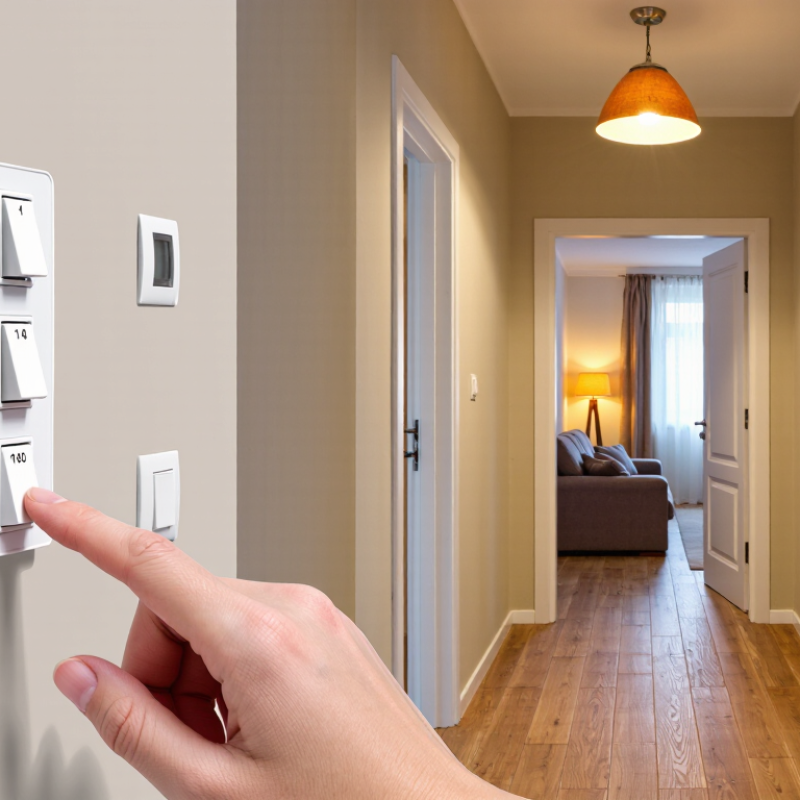
A light timer switch is a wall control that turns a connected light on or off at set times. Unlike a basic switch, it follows a schedule without someone needing to operate it. For example, a hallway light might turn on at dusk and switch off at bedtime. The exact options depend on the model: some use a simple dial, while digital versions allow several daily settings.
Inside the switch, a clock or timing circuit tracks the schedule. At the programmed time, a relay opens or closes the electrical circuit, much like pressing a conventional switch. Some models use a countdown instead, keeping a light on for a chosen period. The clock may need batteries or a neutral wire, so check the product instructions before choosing one.
A timer can help make routine lighting more consistent, especially in rooms where lights are often forgotten. It can also create the appearance of regular activity when a home is empty, though a fixed schedule is not foolproof. Small detail, big difference. Before installation, confirm that the switch matches the light’s voltage and load. Turn off power at the breaker, and ask a qualified electrician if wiring is unfamiliar. Even a clear diagram can leave questions.
Why Choose a Timer Switch for Lights? — What a Light Timer Switch Is and How It Works
| Topic | How It Works | Typical Use or Benefit | What to Check |
| What a light timer switch is | A control that turns a connected light circuit on or off according to a set time or schedule. | Automates routine lighting without needing someone to operate the switch each time. | Confirm the timer is designed for the lighting circuit and installation type. |
| Mechanical timer | A dial or clockwork mechanism operates contacts at selected times. Many models require manual adjustment as the time changes. | Simple, recurring schedules such as switching lights on and off at set hours. | Check schedule options, time-setting method, and whether the unit needs a battery or a power supply. |
| Digital timer | Electronic controls store programmed on-and-off times. Some models support different schedules for different days. | Useful when lighting routines vary by day or require more than one switching period. | Check the programming interface, backup method, and compatibility with the light load. |
| Astronomical timer | Uses a programmed location and date to estimate local sunrise and sunset, then switches at those times or at user-defined offsets. | Outdoor or porch lighting that should follow seasonal changes in daylight. | Correct location and time settings are important; follow the model’s instructions for setup. |
| Countdown timer | Runs a light for a selected duration, then switches it off automatically. | Temporary lighting where a fixed daily schedule is not needed. | Check the available countdown intervals and whether the control suits the location. |
| Power interruption | Depending on the design, a timer may retain its settings, lose the current time, or require reprogramming after power is restored. | A backup feature can help keep a programmed schedule after a brief outage. | Review the product instructions for backup batteries, memory retention, and reset behavior. |
| Load compatibility | The timer’s switching components control power to the connected lighting circuit. | Correct matching helps the switch operate reliably with the intended lights. | Check rated voltage, load type, and permitted load capacity; LED loads may have specific compatibility requirements. |
| Installation and safety | Some timers replace a wall switch; others are plug-in or intended for a panel. Wiring requirements vary by model and location. | A suitable installation can provide convenient automatic control. | Follow local electrical rules and the manufacturer’s instructions. Have a qualified electrician install hardwired units when needed. |
Timer features and electrical ratings vary by model. Always check the device instructions and the requirements of the lighting circuit before installation.
How Scheduled Lighting Can Improve Convenience and Energy Use
A timer switch can make scheduled lighting part of the home’s routine without relying on someone to remember every switch. Set a hallway light to turn on shortly before people arrive, or schedule a porch light to switch off at bedtime.
Small change.
For rooms used at predictable times, this can add convenience and reduce the chance that lights stay on for hours in an empty space.
The savings depend on the schedule and the household. A timer will not cut energy use if it keeps a light on longer than people would otherwise use it. Start with a realistic routine, then adjust it when evenings or seasons change.
That part is easy to overlook.
Before choosing a switch, check that it is compatible with the lighting and electrical load, and follow the installation instructions. Hardwired models may need a qualified electrician.
A schedule can also feel inconvenient when plans change, so a manual override is useful. Timed lighting is helpful, but it is not a substitute for checking whether a room actually needs to be lit.
Where Timer Switches for Lights Are Most Useful
Timer switches are most useful where lights are often forgotten or need predictable operation. In a front hallway, a scheduled switch can turn on a lamp before residents arrive home. On porches and garage entrances, dusk-to-dawn settings can make steps and doorways easier to see. Small detail, real value. Choose a model rated for the connected lighting load, and check whether its schedule follows local sunset times or uses fixed hours.
Bathrooms, laundry rooms, closets, and storage areas are practical spots, too. A short countdown can shut off lights after someone leaves, especially in rooms without much natural light. The U.S. Department of Energy reports that LEDs use at least 75% less energy and last up to 25 times longer than incandescent bulbs. Pairing efficient bulbs with shorter operating times can reduce lighting use, though results depend on how often lights would otherwise stay on.
In small offices or shared utility spaces, timers help keep lighting routines consistent after closing. They can also create the appearance of activity when residents are away, but they are not a substitute for security measures. One limitation is easy to miss: a timer may switch on lights when nobody needs them. Review its schedule seasonally, and adjust it when household routines change.
Why Choose a Timer Switch for Lights?
Where Timer Switches for Lights Are Most Useful
Example daily timer settings are shown, not measured averages. Timers are useful for outdoor entrances, hallways, and other lights that need to operate on a predictable schedule. Adjust the hours to suit daylight, household routines, and safety needs.
Key Features to Compare When Choosing a Timer Switch
Why Choose a Timer Switch for Lights?
When comparing timer switches, start with the load rating and lamp type. Check that the switch supports the connected lights, especially LED lamps, which can behave differently from older incandescent bulbs. The U.S. Department of Energy says LEDs use at least 75% less energy than incandescent lighting, but that does not mean every timer will suit every LED circuit. Check the load first.
Next, compare scheduling options. A basic countdown timer can handle a hallway light, while a programmable model can set different weekday and weekend schedules. Astronomical timers adjust switching times around local sunrise and sunset; battery backup can preserve settings after a power cut. Also look for a manual override, clear controls, and suitable indoor or outdoor ratings. Small detail, big consequence.
Consider the likely routine, not just the feature list. A U.S. Department of Energy and Pacific Northwest National Laboratory report found average lighting-energy savings of 47% across 114 commercial projects using networked lighting controls. Those results do not predict savings from a standalone timer, but they show why control strategy matters. A timer can be inconvenient if its schedule is too rigid. Review the settings after a week, and make sure the switch’s electrical rating matches the installation.
Installation, Compatibility, and Safety Considerations
Why Choose a Timer Switch for Lights?
Installation, Compatibility, and Safety Considerations
A timer switch can turn lights off automatically, which is useful for porches, hallways, and rooms where switches are easy to forget. Before buying one, check the light’s voltage and total load against the timer’s rating. Check the label. Some models work with LED lamps, while others may flicker or fail to switch them reliably. Compatibility is not something to guess.
Installation depends on the wiring already in the wall. Some timers require a neutral wire, which may not be present in older switch boxes. A three-way circuit also needs a timer designed for that arrangement. Wire colors alone are not proof of function; verify the circuit against the device instructions. Wall boxes can be cramped, and forcing wires into place can damage insulation. If the wiring is unclear, pause and ask a qualified electrician.
Turn off power at the circuit breaker before removing the old switch, then verify that the wires are not live with an appropriate tester. A switch being off is not enough. Keep the timer within its rated load, and use only devices intended for the installation location. It is tempting to treat setup as a simple swap, but small wiring differences matter. Check local electrical requirements and the timer’s instructions before restoring power.