How to Choose LED Factory Lighting in 2026?
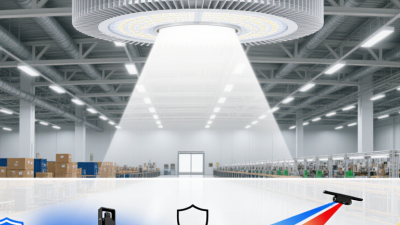
Choosing Led Factory Lighting in 2026 requires more than comparing wattage and purchase prices. A reliable lighting system must support worker safety, product quality, energy control, and long-term maintenance. In a real factory, bright areas can reveal surface defects, while poor lighting may create glare across polished metal. Shadows near conveyors can also hide hazards.
The best decision begins with the work itself. Examine ceiling height, machine placement, dust levels, humidity, operating hours, and inspection tasks. A packaging line may need uniform illumination, while detailed assembly requires stronger, controlled light. Measure illuminance with a calibrated meter instead of trusting product claims alone. Review efficacy, beam angles, color rendering, flicker performance, emergency coverage, and driver quality. Independent test reports and recognized safety certifications add useful confidence.
No checklist is perfect. A fixture that performs well in a clean warehouse may fail sooner near oil mist or high temperatures. I have seen buyers focus on energy savings and overlook access costs for difficult ceiling repairs. That mistake can make an affordable installation expensive. Ask manufacturers for photometric files, warranty terms, replacement plans, and references from comparable facilities. Confirm that installation and control systems follow applicable local requirements. A professional lighting audit can expose dark zones before they affect production. The final choice should balance measurable performance, worker comfort, dependable service, and realistic factory conditions. Good lighting is not merely brighter. It is safer, clearer, and easier to manage.
Define Factory Lighting Needs, Tasks, and Operating Conditions
How to Choose LED Factory Lighting in 2026?
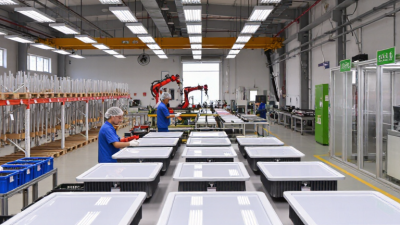
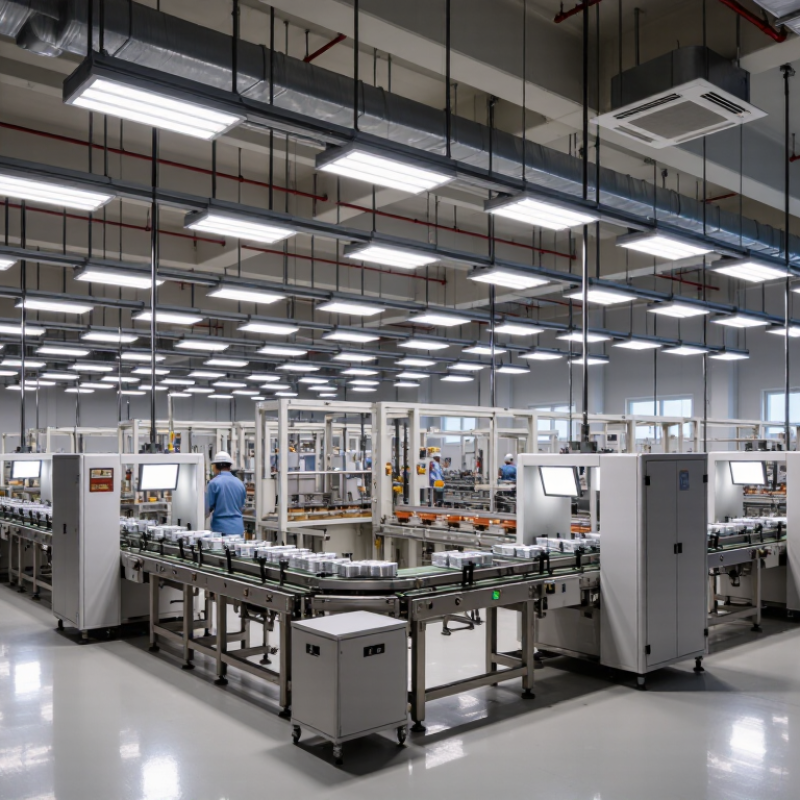
Factory lighting should begin with the work, not the fixture. Start with the work. Identify each task, from precision assembly to forklift movement and quality inspection. Measure required brightness at the working surface, not only at floor level. Fine inspection may need higher illumination and better color rendering than storage aisles. Ask operators where shadows, glare, or flicker cause mistakes. Their experience often reveals problems missed during a quick site survey.
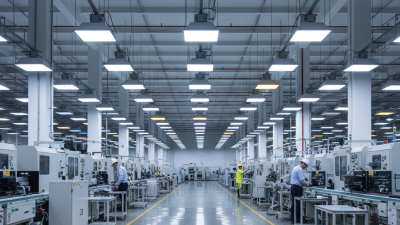
Operating conditions matter just as much. Record ceiling height, aisle width, shift patterns, dust, moisture, vibration, and ambient temperature. A hot production area can shorten equipment life if thermal performance is ignored. Dusty zones may require sealed housings and easier cleaning. Cold rooms can affect startup behavior and maintenance access.
Check emergency routes and machine shadows carefully. Safety depends on visibility, uniformity, and predictable controls, not brightness alone.
Use lighting calculations, on-site measurements, and a small trial installation before full replacement. Compare readings at several points, including corners and under equipment. Measure glare from an operator’s normal viewing angle. I once trusted a layout that looked excellent on paper, yet a conveyor created harsh reflections during the evening shift. That mistake was avoidable. Human feedback remains essential. Leave room for adjustment, because production layouts change and real conditions rarely match drawings perfectly.
Evaluate Energy Efficiency, Light Quality, and Control Options
Choosing LED factory lighting in 2026 starts with measured performance, not wattage claims. Energy efficiency should be checked through lumens per watt, actual power draw, and expected maintenance costs. Request independent test reports, then compare them with readings from your own production floor. A 30-watt fixture may waste energy if it creates dark aisles and requires extra units. Occupancy sensors, scheduling, and daylight dimming can reduce consumption. However, overly aggressive dimming may frustrate operators.
Light quality deserves equal attention. Measure maintained illuminance at work surfaces, not only beneath the ceiling. Use a calibrated light meter during normal production hours. Color rendering matters when workers inspect labels, wiring, or surface defects. A high CRI rating helps, but it does not guarantee natural-looking light. Check color temperature, glare, flicker, and uniformity. Low glare supports concentration. Flicker may remain invisible while causing discomfort. Test sample fixtures beside existing equipment for several shifts. One afternoon is not enough.
Control options should simplify work, not complicate it. Look for adjustable zones, manual overrides, fault alerts, and compatibility with existing systems. Controls should respond smoothly when a forklift enters an aisle or daylight changes near windows. Ask what happens during a network failure. The lights should remain safe and usable. No design is perfect. A spreadsheet cannot reveal shadows on a moving conveyor or reflections on polished metal. Review energy data after installation, speak with operators, and revise settings when real conditions expose weak assumptions.
How to Choose LED Factory Lighting in 2026?
LED systems generally provide higher efficacy and better color quality than conventional fluorescent and metal-halide systems. The annual energy figures below are calculated for the same 100,000 lumens operated for 4,000 hours per year, using representative system efficacy values.
When comparing products, also evaluate occupancy sensing, daylight dimming, scheduling, zoning, emergency operation, and network monitoring. Actual control savings depend on the facility layout, operating schedule, daylight availability, and commissioning quality.
Check Safety Standards, Durability, and Installation Requirements
Choosing LED factory lighting in 2026 starts with safety, not brightness. A bright fixture can still create glare, heat, or electrical risk. Check safety documents before comparing prices. Confirm that each product meets applicable national electrical and fire standards. Certification should match the installation country and factory conditions.
Review ingress protection and impact ratings for dust, water, and moving equipment. Check photobiological safety, flicker performance, electromagnetic compatibility, and emergency-lighting requirements. These details affect worker comfort and machine visibility. Ask for test reports, installation instructions, and photometric data. Do not rely on a sales sheet alone. It may omit important limitations.
Installation planning needs equal attention. Measure mounting height, aisle width, ceiling structure, ambient temperature, and available wiring. Confirm grounding, circuit load, control compatibility, and maintenance access. In dusty or damp areas, use fixtures rated for those conditions. Areas with special hazards require professionally assessed equipment. A licensed electrician should verify the final layout and connections.
Small mistakes become expensive.
Durability also depends on heat management and cleaning schedules. Dust on a lens reduces useful light and can increase operating temperature. Choose replaceable parts when practical, but check their availability in writing. I have seen projects focus on wattage while ignoring lift access and downtime. That decision looked efficient at first. It was not. Leave room for inspection, future repairs, and honest reassessment after workers use the space.
Assess Total Cost, Maintenance Plans, and Future Expansion
Choosing LED factory lighting in 2026 requires more than comparing fixture prices.
A low-cost unit may consume less energy but fail early in heat, dust, or vibration. Measure current lux levels, ceiling height, operating hours, and temperature before requesting quotations. A photometric plan can reveal dark aisles and unnecessary over-lighting.
Calculate the total cost over five to ten years.
Include installation labor, electrical upgrades, controls, cleaning, replacement drivers, and production downtime. Ask for tested lifespan data, warranty conditions, and documented performance at high temperatures. Maintenance plans should state inspection intervals and response times. Keep a small stock of compatible drivers and lenses on site. Waiting weeks for a minor part is expensive. I have seen factories focus on energy savings while ignoring lift rental costs during repairs.
Plan for expansion before fixing the final layout.
Leave spare circuit capacity, accessible mounting points, and control zones for future lines. Networked controls can support occupancy sensing and daylight adjustment, but they add commissioning work and possible training needs. Confirm that new fixtures can match existing light levels and color quality. A phased installation may protect cash flow, though mixed equipment can complicate maintenance. Review the plan with a qualified electrical professional and factory operators. Their practical feedback may expose assumptions that look sound on paper.